Learn how to paint a gouache flower: What is Gouache Paint? Plus Gouache Painting Ideas
Are you eager to learn how to paint a gouache flower or explore a versatile new art medium? Gouache, pronounced “gwash,” has steadily gained popularity among artists for its unique properties and stunning results. This comprehensive guide will walk you through the essentials of gouache painting, from understanding its characteristics to getting started with your first project.
Gouache offers a fantastic bridge between the fluidity of watercolor and the opacity of acrylics, making it an excellent choice for illustrations, fine art, and detailed studies. Dive in to discover why so many artists are falling in love with this vibrant and re-workable paint.
What is Gouache?
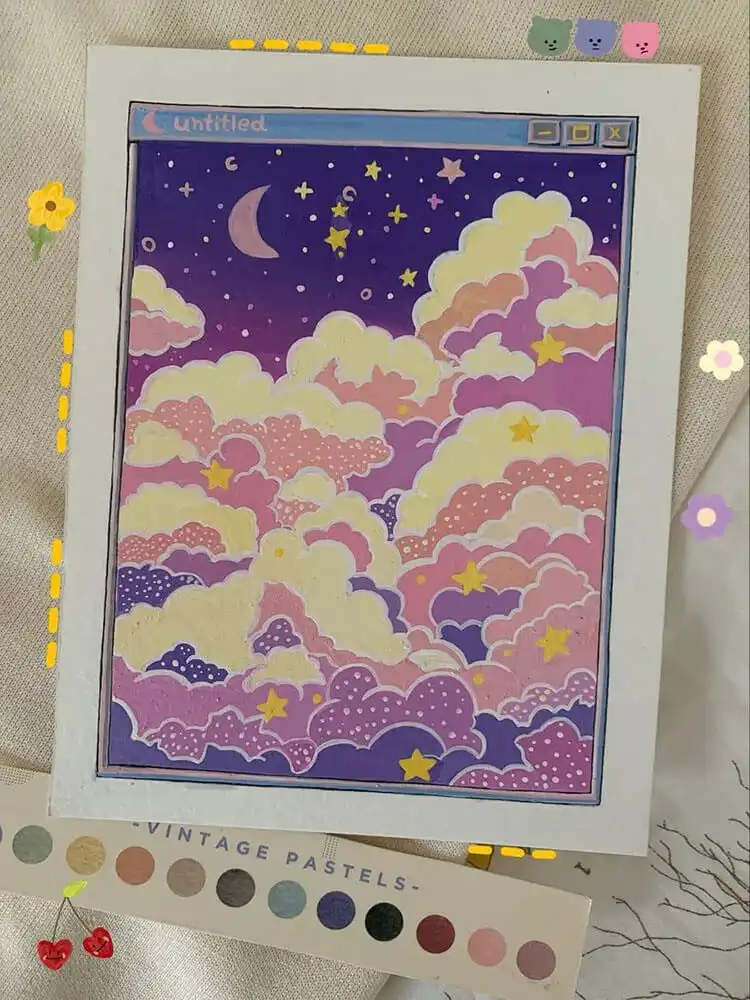
Gouache is an opaque water-soluble paint, often referred to as “opaque watercolor.” Unlike traditional watercolors that dry transparent, gouache provides a rich, matte finish that can be layered from dark to light or light to dark. This versatility opens up a world of creative possibilities for artists.
While watercolors typically come in pans or tubes, gouache is most commonly found in tubes, offering a creamy consistency similar to acrylics when squeezed out. The fundamental tools required for gouache painting are remarkably similar to those used for watercolor, making it an easy transition for many artists.
A key difference lies in its application and re-workability. Gouache can be reactivated with water even after drying, allowing for seamless blending and corrections. This forgiving nature makes it an ideal medium for beginners and seasoned artists alike, providing ample opportunity for experimentation.
Keep in mind that gouache generally dries faster than watercolor. This quick drying time, coupled with its distinct matte finish, contributes to its unique aesthetic. Understanding these core properties is the first step to mastering this beautiful art form.
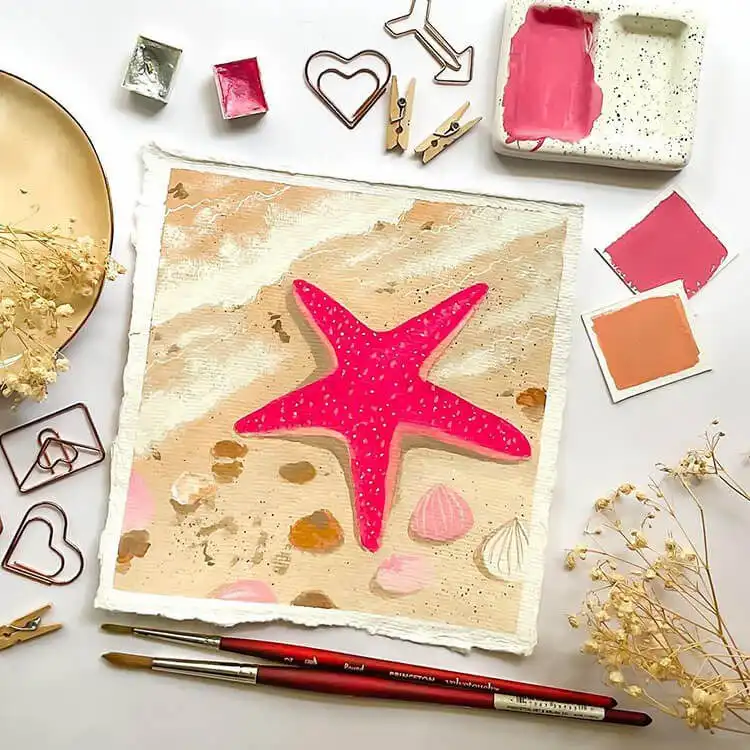
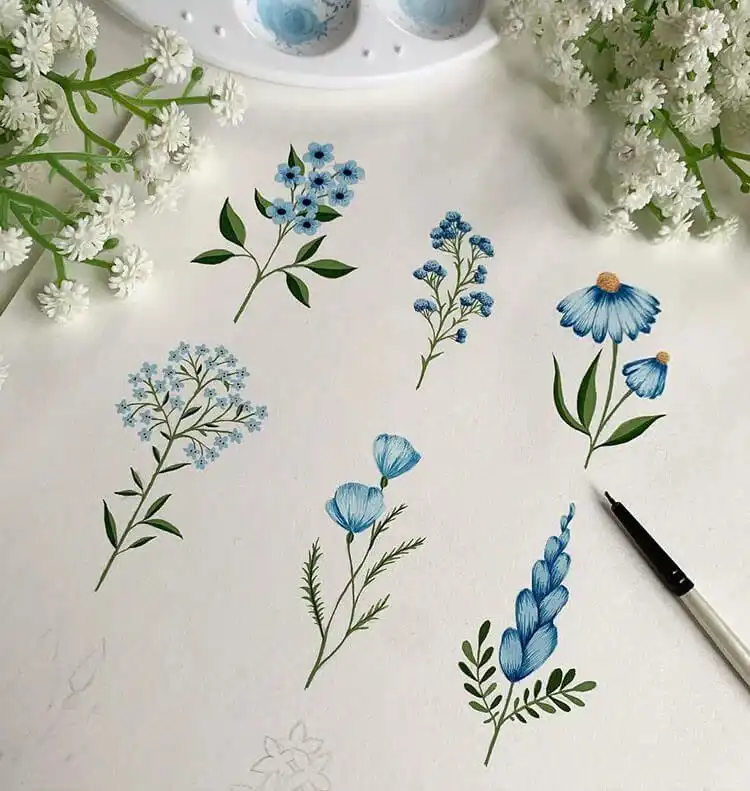
Getting Started with Gouache Part 1
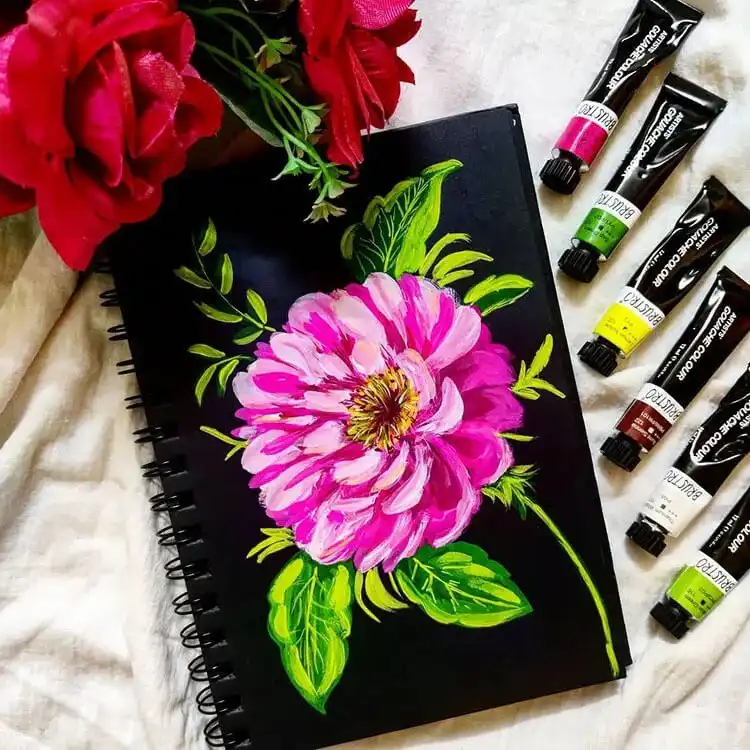
Embarking on your gouache journey requires just a few essential craft supplies. You’ll need gouache paint itself, a selection of brushes, a suitable painting surface, clean water, and a mixing palette. These basic tools form the foundation for all your gouache creations.
When selecting gouache paint, you’ll encounter various options, primarily differentiated by quality. Student-grade paints are more affordable and contain a lower pigment load, resulting in less vibrant colors. They are an excellent starting point for practice and learning the medium’s basics without a significant investment.
Artist-quality gouache paints, conversely, boast a higher pigment concentration. This translates to incredibly rich, intense colors and better lightfastness, though they come at a higher price point. As you advance, investing in artist-grade paints can significantly elevate the quality and longevity of your artwork.
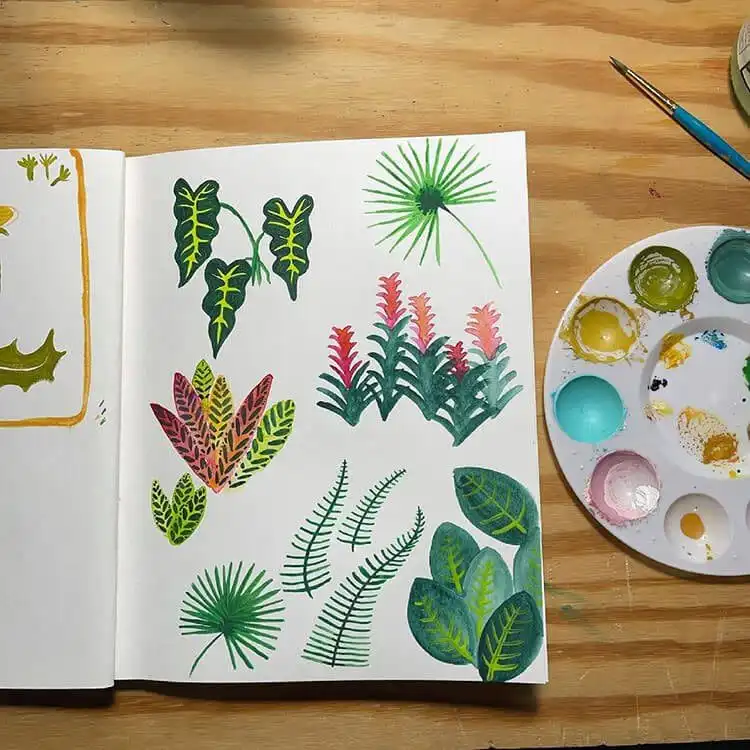
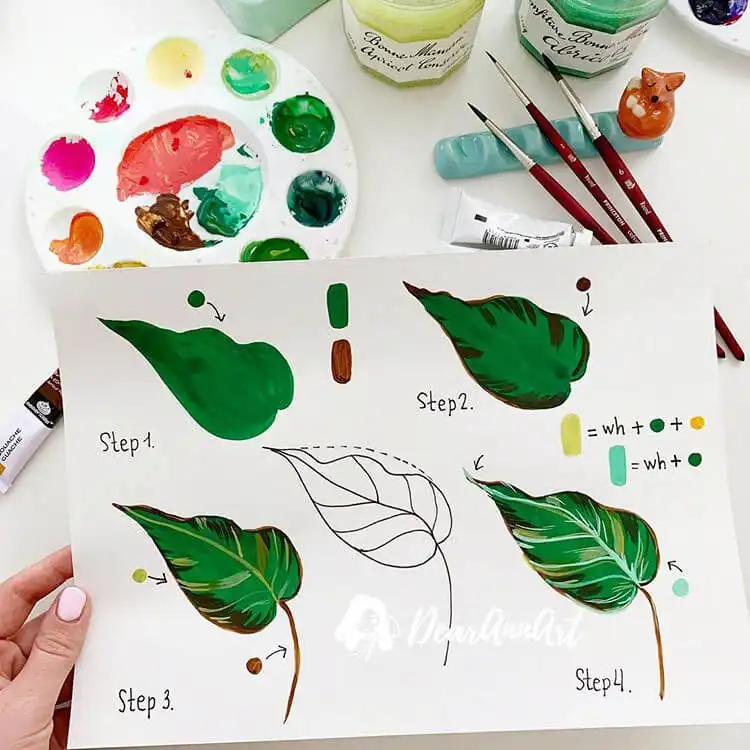
Getting Started with Gouache Part 2
Choosing the right brushes is crucial for achieving desired effects with gouache. Brushes specifically designed for watercolor or gouache are generally preferred. These often feature synthetic bristles, which are known for their ability to hold a good amount of water and maintain their shape, offering a firm yet flexible stroke.
While natural hair brushes can also be used, be aware that they tend to absorb more water. This can sometimes make controlling the paint consistency a bit more challenging with gouache. Experimenting with different brush types will help you discover what feels most comfortable and effective for your style.
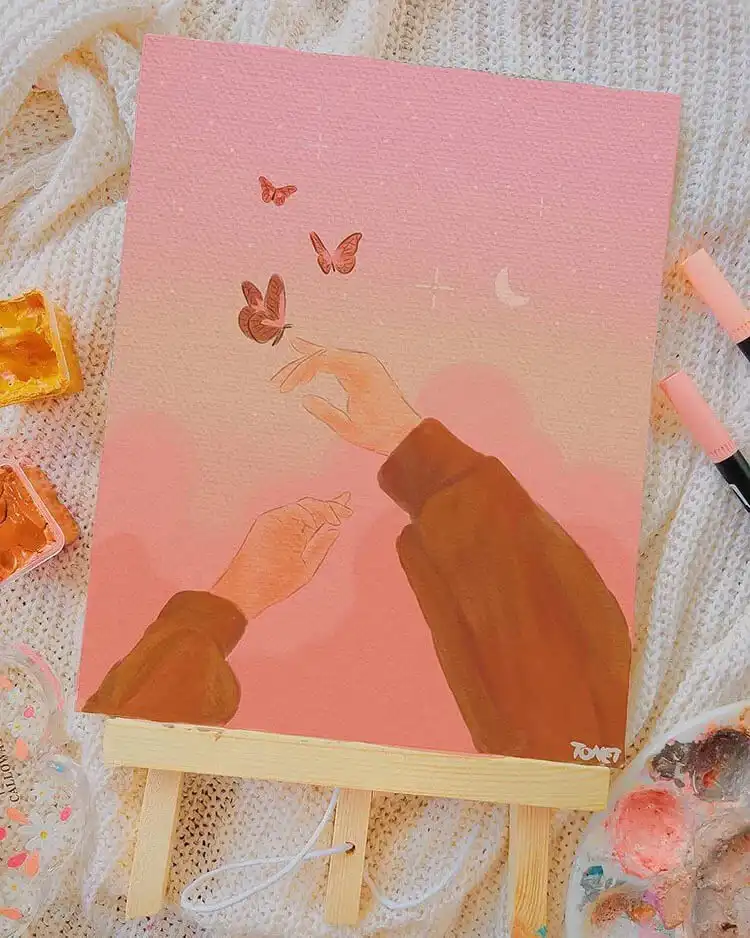
For your painting surface, watercolor paper is an outstanding choice. Its absorbent nature prevents buckling when wet, providing a stable foundation for your layers of gouache. Opt for heavier paper weights (140 lb or 300 gsm) for best results, as they handle moisture without warping.
Canvas can also be used, but it requires preparation. You’ll need to prime the canvas first with gesso or an acrylic primer to create a suitable surface that will accept the gouache properly. An acrylic roller can be helpful for an even application. This step ensures the paint adheres well and prevents it from soaking too deeply into the canvas fibers.
Getting Started with Gouache Part 3
Water is an indispensable component when working with gouache. It serves multiple purposes, from diluting your paint to achieve different consistencies—ranging from a creamy opacity to a thinner, more translucent wash—to cleaning your brushes thoroughly between color changes or at the end of a painting session.
Always keep two containers of water handy: one for rinsing brushes after using darker colors and another with clean water for mixing and lighter washes. This simple practice helps prevent muddy colors and keeps your palette vibrant. Replacing your water frequently is also a good habit for maintaining color purity.
A mixing palette is highly recommended for gouache painting. It provides an organized surface to mix your colors, allowing you to create custom hues and experiment with various shades without contaminating your main paint tubes. Any non-absorbent surface, like a ceramic plate, a plastic palette, or even a tile, will work perfectly.
Mixing your paint on a dedicated palette keeps your workspace tidy and helps you manage your colors effectively. It also gives you better control over the consistency of your gouache, ensuring you apply just the right amount of pigment and water to achieve your desired effect for pieces like cute drawing ideas that portray love.
With Gouache You Can Sketch First
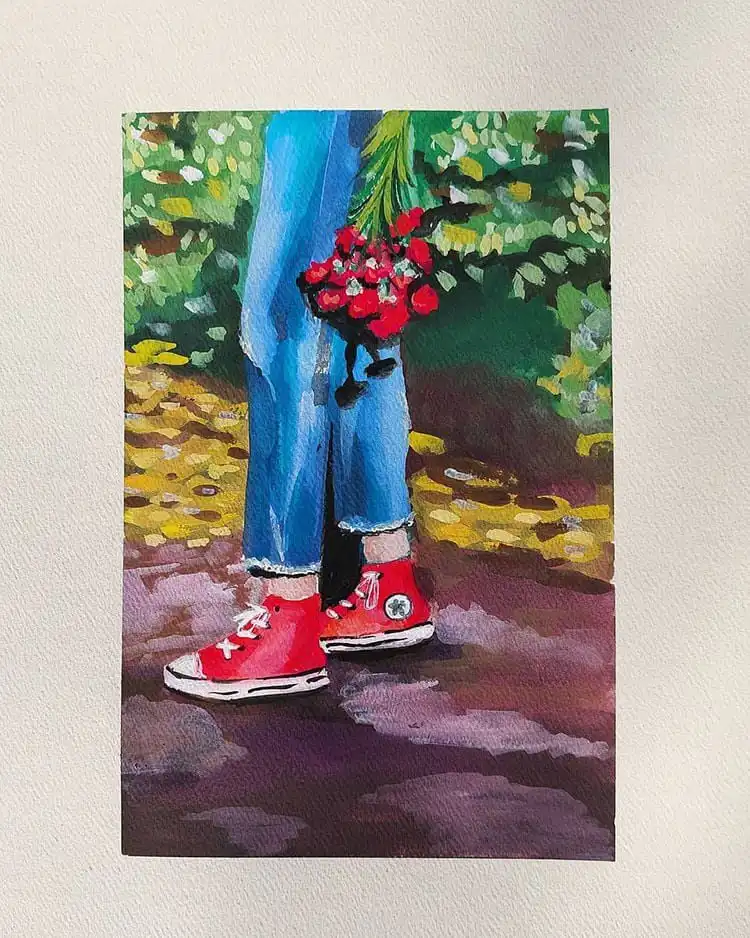
One of the significant advantages of gouache’s opaque nature is the ability to sketch your composition directly onto your paper before you begin painting. Unlike transparent watercolors where every pencil mark would show through, gouache can effectively cover light pencil lines, allowing for more precise planning and confidence in your initial drawing.
While gouache offers excellent coverage, it’s still advisable to sketch lightly. Heavy pencil lines might require multiple layers of paint to completely obscure, which can sometimes affect the smoothness or texture of your finished piece. A light hand with a harder lead pencil (like 2H) is often best.
Once your sketch is complete and you’re happy with the basic layout, you can confidently begin applying your gouache paints. A common and effective strategy is to start with the lightest colors first. This approach helps to build up your painting gradually, preventing accidental mistakes that are harder to correct if you start with dark, intense hues.
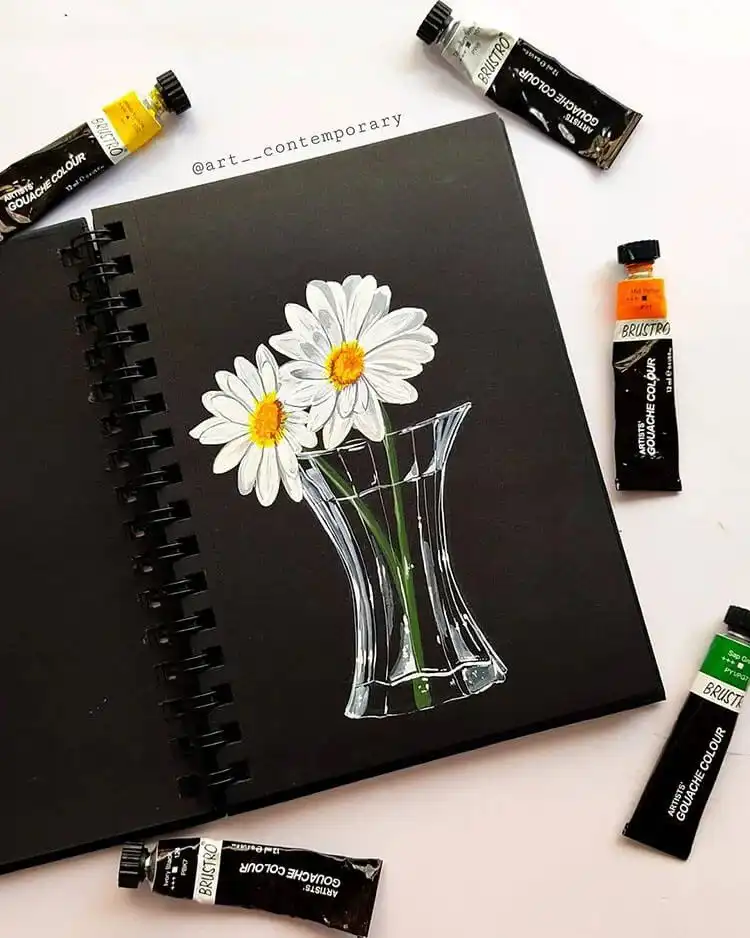
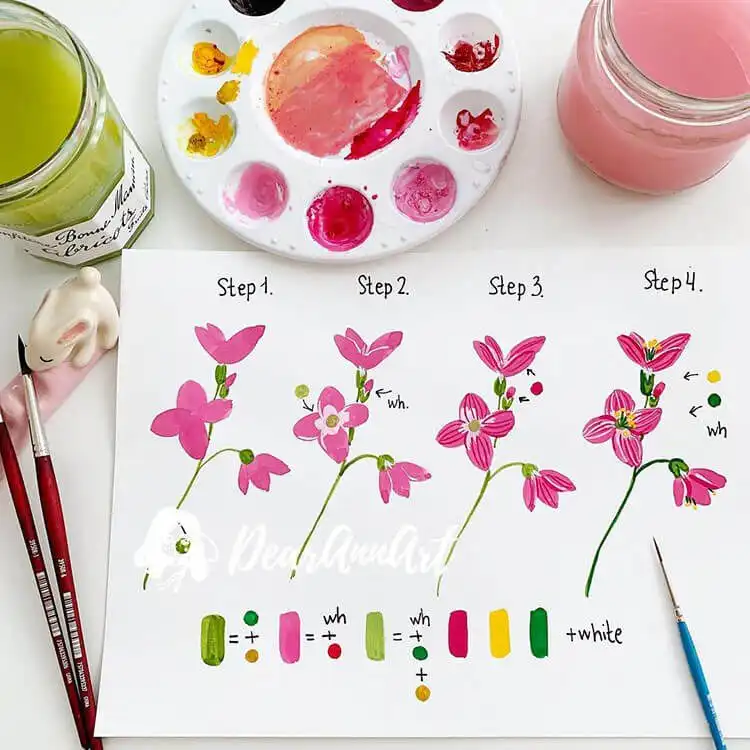
Layering light colors first allows you to establish your foundational tones and values. You can then progressively add darker shades and details on top, knowing that the opaque nature of gouache will cover the underlying layers. This technique is particularly useful when you learn how to paint a gouache flower and want to capture delicate petal overlaps.
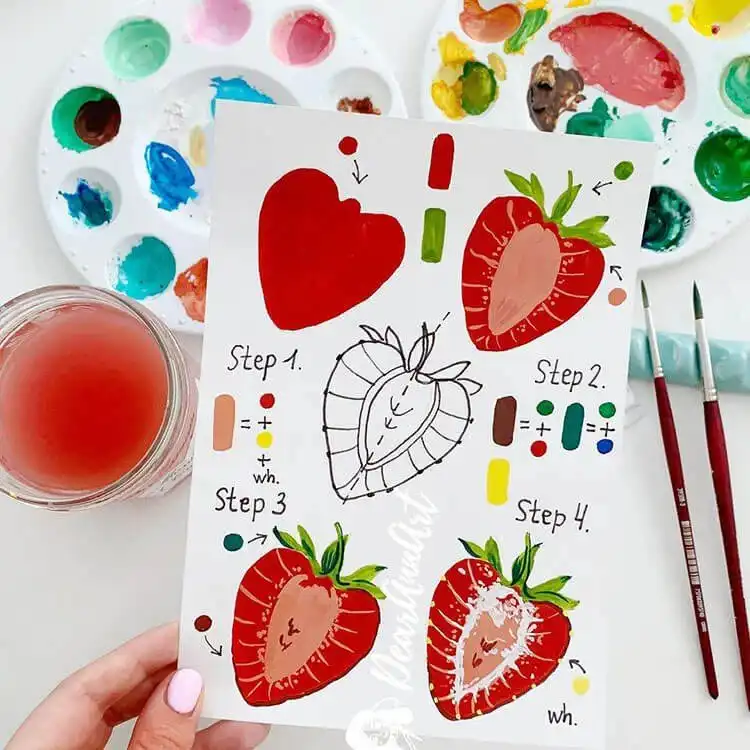
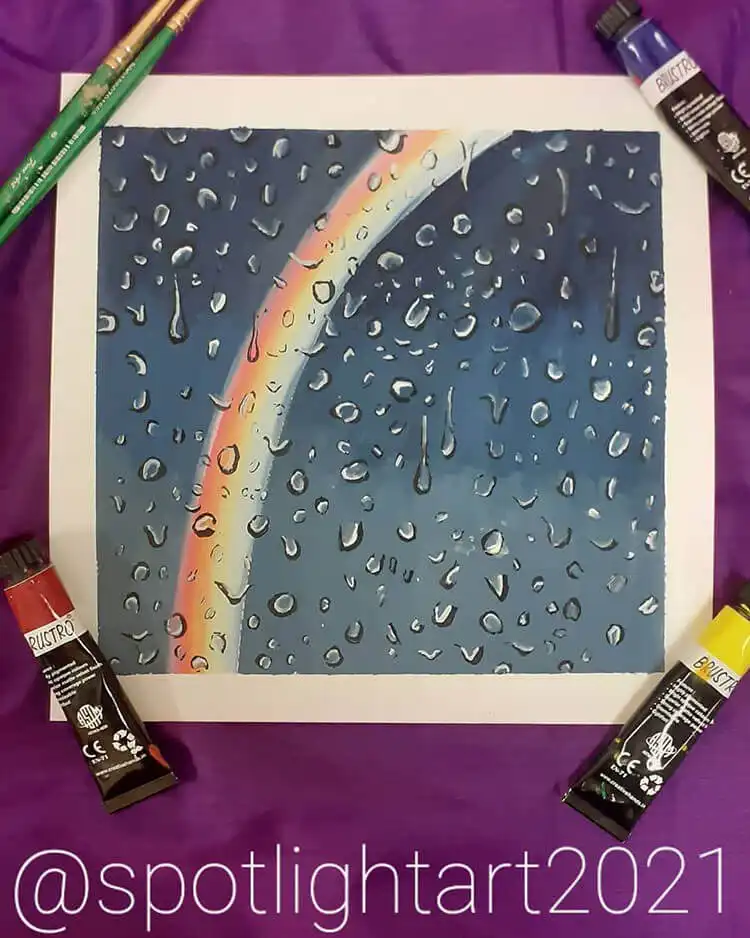

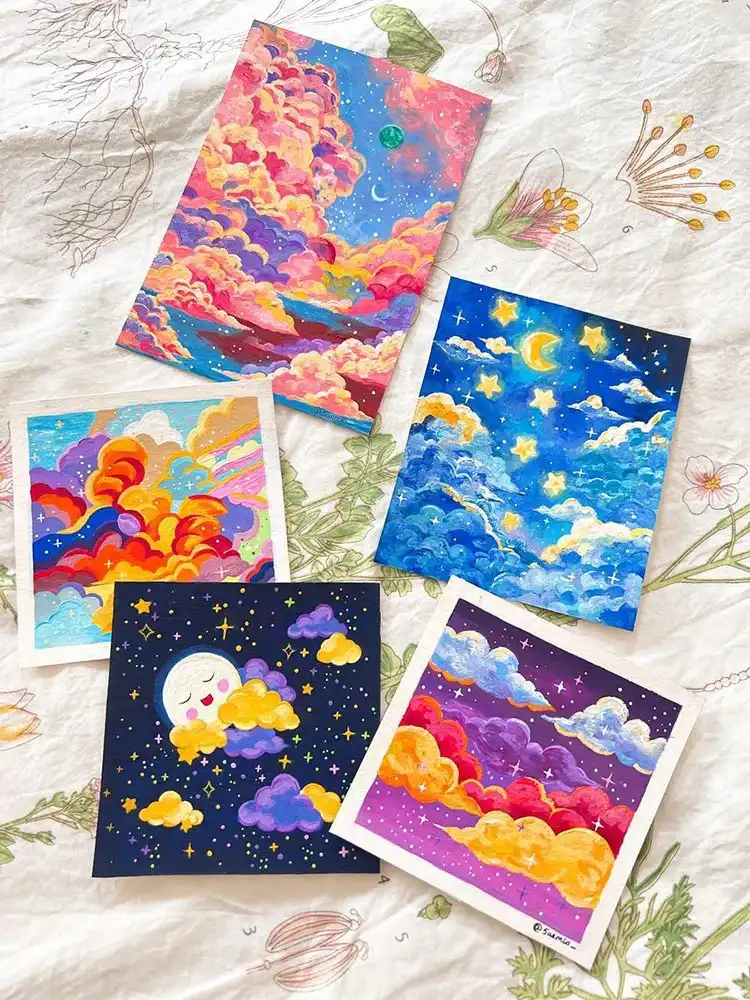
With Gouache You Can Go Light to Dark or Dark to Light
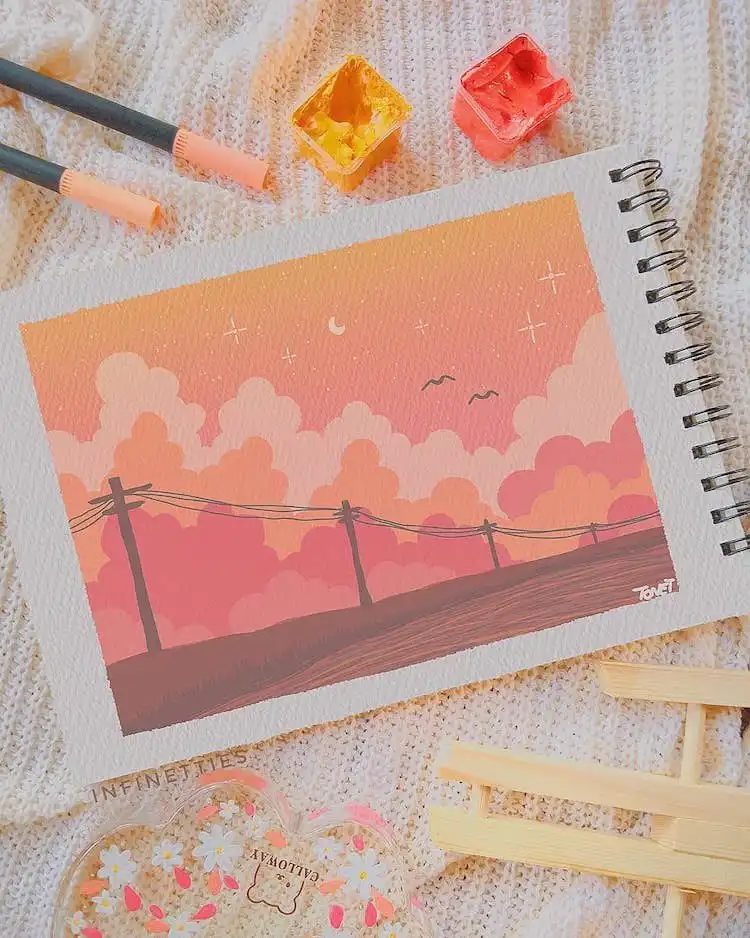
The flexibility to paint from light to dark or dark to light is one of gouache’s most cherished attributes, distinguishing it significantly from traditional watercolors. This characteristic stems directly from its opacity, allowing artists unparalleled freedom in their creative process and problem-solving during a painting session.
For many artists, this dual approach is a game-changer. It means you don’t have to meticulously plan every single light area before applying any color. If you’ve laid down a dark background, you can confidently add lighter details or highlights on top, making corrections and adjustments much simpler than with transparent mediums.
This capability fosters a more intuitive and less restrictive painting experience. Whether you prefer to build your colors from a light base or enjoy the dramatic effect of adding luminous highlights over deep shadows, gouache accommodates your preferred workflow. Embrace this unique property to experiment with diverse artistic expressions.
Once you’ve grasped the fundamentals of painting with gouache, don’t hesitate to explore various techniques. Its blend of watercolor-like re-workability and acrylic-like opacity makes it a wonderfully versatile medium for achieving a wide range of textures, effects, and styles. Consider experimenting with silicone sculpting tools to add unique textures. The possibilities for beautiful artwork are truly endless.
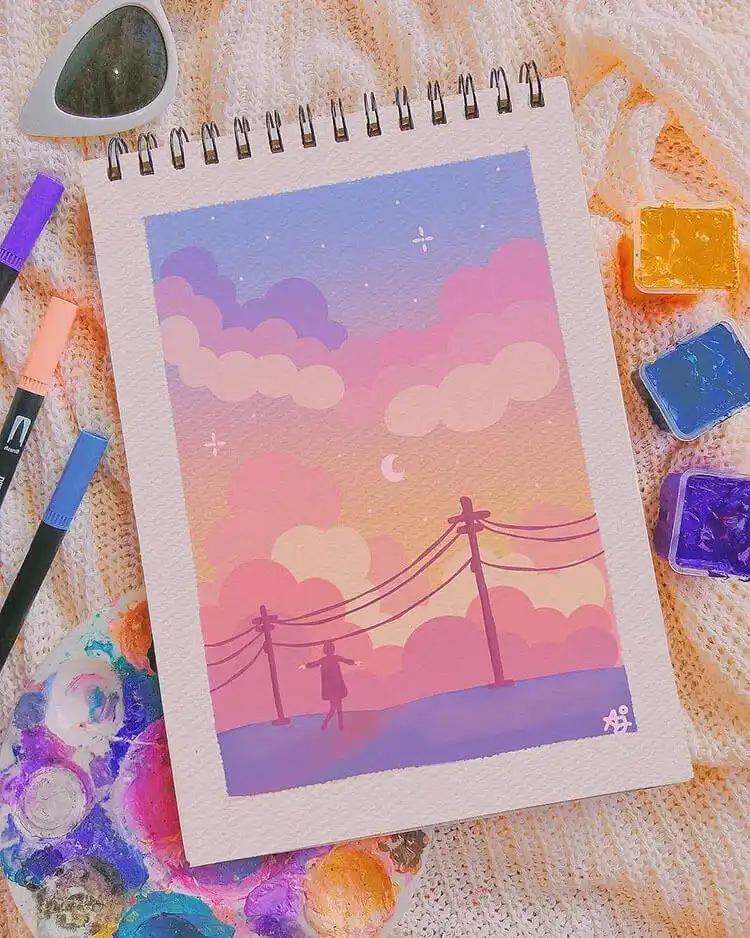
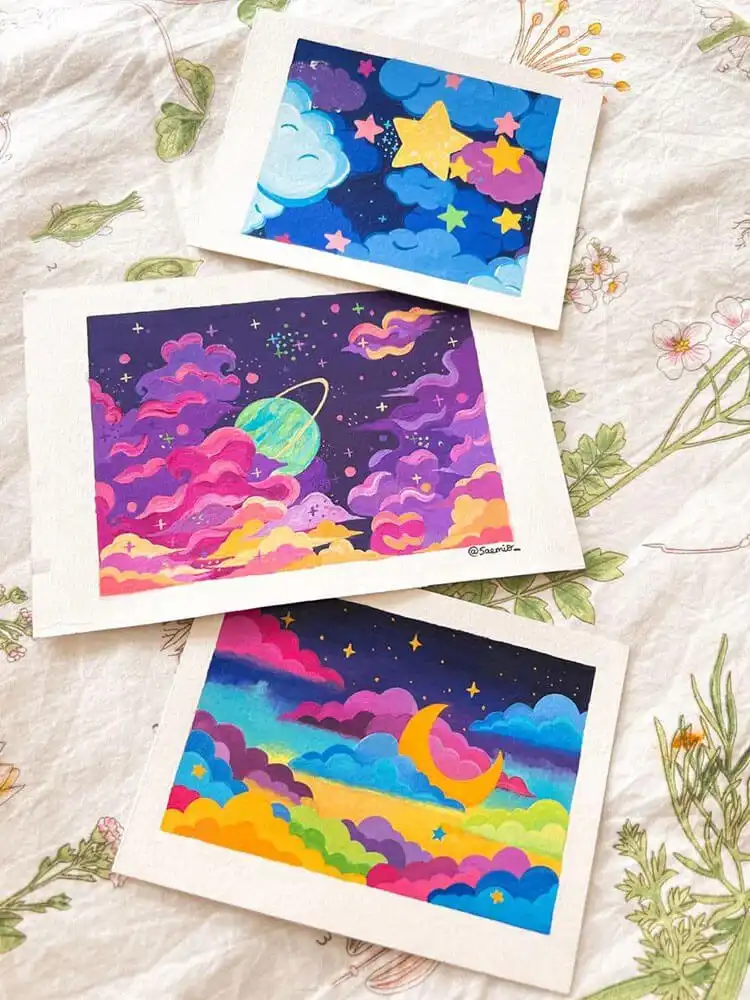
Matte Finish
One of the defining characteristics of gouache paints is their relatively fast drying time, coupled with their beautiful, velvety matte finish. This quick drying allows for efficient layering and prevents colors from bleeding into each other if applied with care, making it suitable for tight deadlines and detailed work.
Additionally, gouache boasts a higher pigment load compared to traditional watercolors. This increased pigment density is what gives gouache its exceptional opacity and contributes to the creation of incredibly rich, vibrant, and saturated colors. The intensity of the hues remains strong even after the paint has dried.
If you appreciate the elegant, non-reflective quality of a matte finish and desire greater control over the vibrancy and layering of your colors, then gouache might just be the perfect painting medium for your artistic pursuits. It offers a unique textural dimension to your finished pieces.
While watercolor and gouache share some similarities, particularly in their water-soluble nature, their differences in opacity, drying time, and finish are quite distinct. This guide aimed to clarify what gouache paint is, its many benefits, and why it’s a medium worth exploring for your next artistic venture.
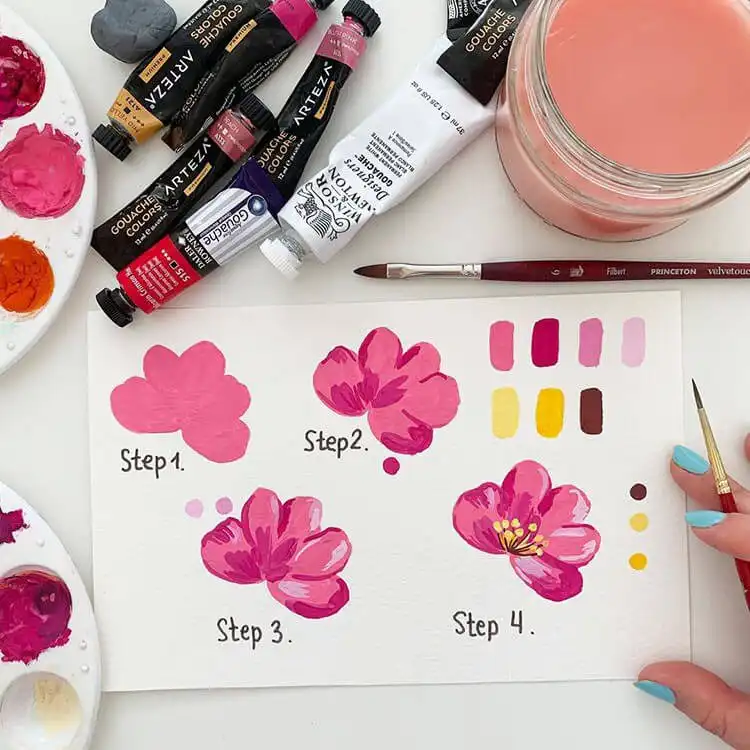
We hope you feel inspired to try your hand at this wonderful art form! Don’t forget to save this guide to your Pinterest board for future reference, share it with a fellow art enthusiast, and leave a comment below with your own gouache experiences or questions.