20 Easy Watercolor Flower Paintings to Inspire You – Lavender Flower
This post contains affiliate links. As an Amazon Associate, we earn from qualifying purchases. Discover more painting and craft supplies on our Amazon storefront.
If you’re seeking inspiration for watercolor flower painting ideas, especially as a beginner, you’ve landed in the perfect spot. Watercolor painting offers a delightful and accessible creative outlet, allowing you to capture the delicate beauty of botanicals with soft, flowing colors. Before diving in, ensure you have your essential craft supplies ready. This curated collection of 20 easy watercolor flower paintings to inspire you – including the beloved lavender flower – provides a fantastic starting point for artists of all levels.
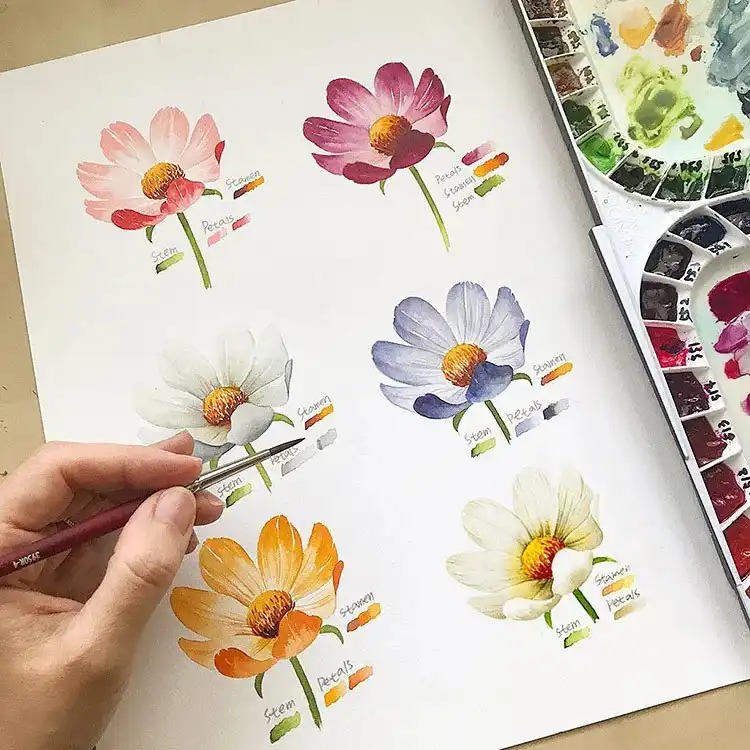
Dive into these beautiful examples to discover various styles, color palettes, and techniques. Whether you’re exploring specific watercolor tutorials or simply looking for general watercolor painting ideas, these floral designs will help you develop your skills and find your unique artistic voice. Consider practicing your foundational drawing skills with drawing references before you begin to paint. And to protect your workspace and prepare your paper, a good quality self-healing cutting mat and sharp scissors are a must. Looking for even more inspiration on botanical subjects and their presentation? Explore Wild at Home: How to Style and Care for Beautiful Plants by Hilton Carter for stunning plant photography and styling ideas that can fuel your artistic vision.
1. Purple Flowers
This charming watercolor piece exemplifies simplicity and elegance, making it an ideal project for beginners. The artist has skillfully used soft washes of purple, allowing the natural translucency of watercolor to create a gentle, ethereal effect. Focus on layering light hues to build depth without overworking the paper.
To recreate this, choose a limited palette of violet and mauve shades. Allow each layer to dry thoroughly before adding the next to maintain clarity and avoid muddy colors. This technique helps achieve the delicate, blended look seen in this example.
2. Single Watercolor Rose
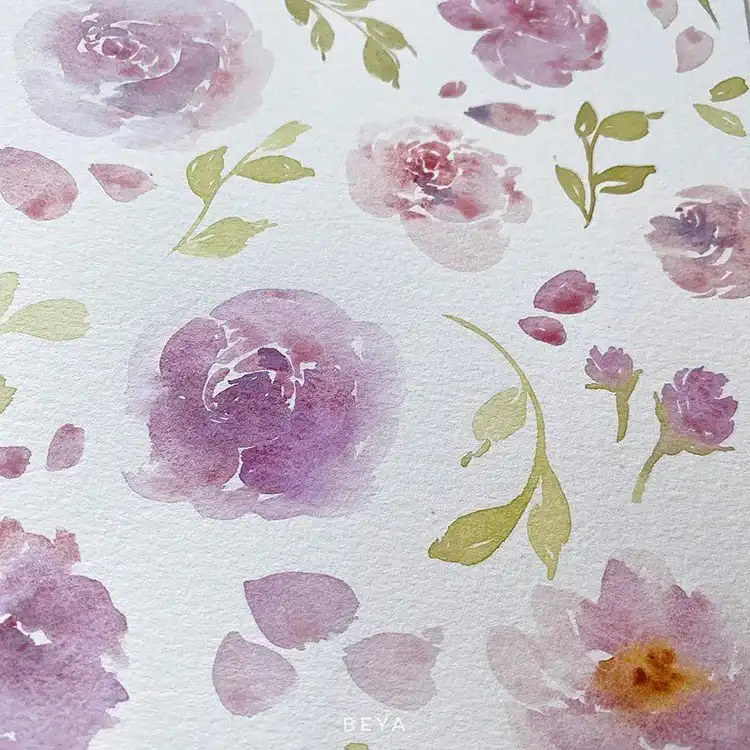
Capturing the essence of a single rose in watercolor highlights its individual beauty. This painting showcases the detailed yet soft appearance of petals, making it a wonderful challenge for those looking to refine their botanical painting skills. Pay attention to the subtle color shifts within the petals.
For best results, practice wet-on-wet techniques for the initial petal washes, letting the colors blend naturally. Then, once dry, add finer details with a damp brush using slightly more concentrated pigment to define the edges and inner folds of the rose.
3. Blue Watercolor Flower
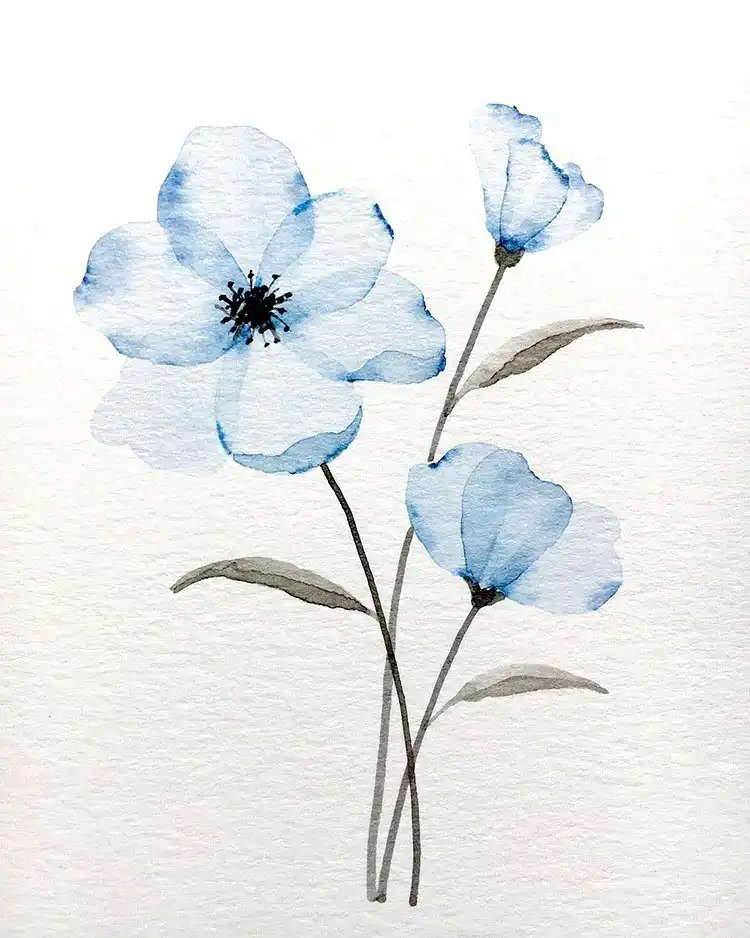
The striking simplicity of this blue floral painting makes it an excellent choice for a quick and satisfying watercolor project. Its clean lines and vibrant blue hues stand out against a minimalist background, demonstrating how powerful a single, well-rendered bloom can be.
Experiment with different shades of blue, from sky to indigo, to add dimension. Use a fine-tipped brush for the delicate stamens and a broader wash for the petals. This piece is perfect for creating handmade greeting cards or small framed art.
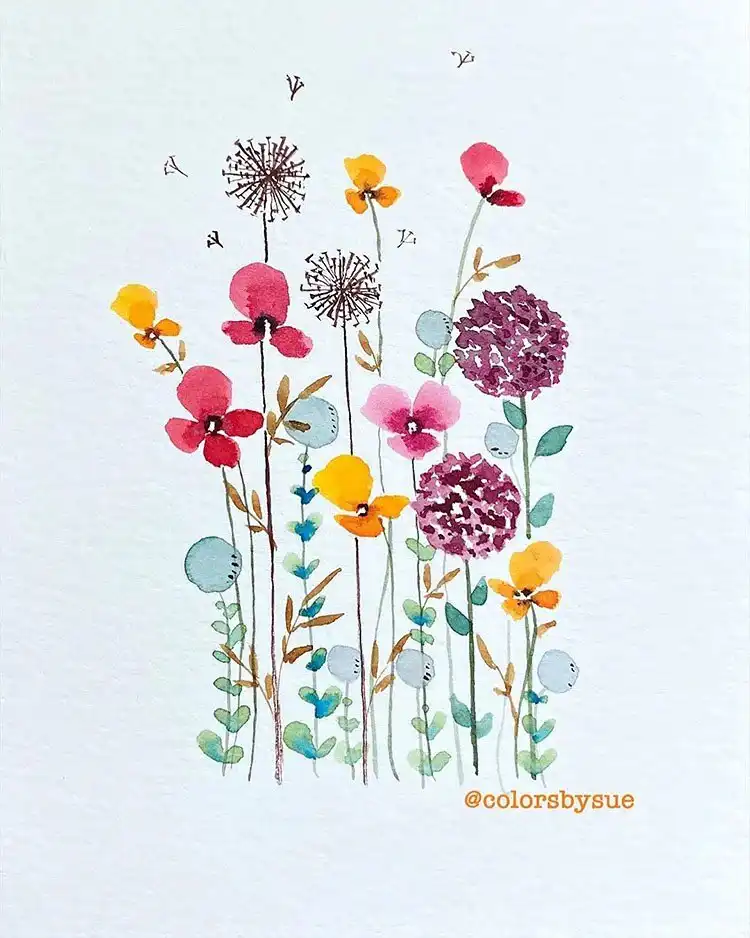
4. Wildflowers Painting
This design, brimming with beautiful wildflowers, evokes a sense of natural charm and artistic freedom. The organic arrangement and varied shapes of the blooms provide a relaxed approach to composition, encouraging artists to embrace imperfections and fluid brushstrokes.
When painting wildflowers, don’t strive for perfect symmetry. Instead, let your brush dance across the paper, creating a mix of colors and forms. This style is particularly effective on textured watercolor paper, which can enhance the rustic feel of the wild blooms.
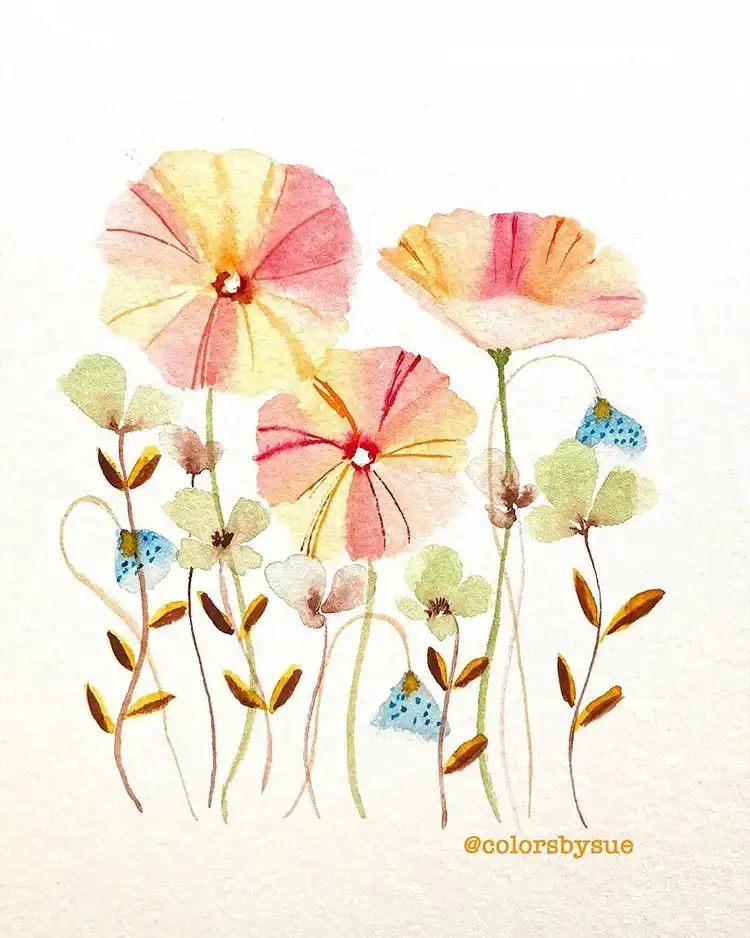
5. Pink and Blue Flowers
This watercolor painting stands out with its unique and refreshing color combination of soft pinks and cool blues. The artist has achieved a harmonious balance, proving that unexpected pairings can result in truly captivating floral art. The simplicity of the forms keeps the focus on the delightful palette.
To replicate this, start with light washes of each color, allowing them to gently bleed into each other where they meet. Consider adding tiny contrasting details, like a hint of yellow in the centers, to make the colors pop even more vividly.
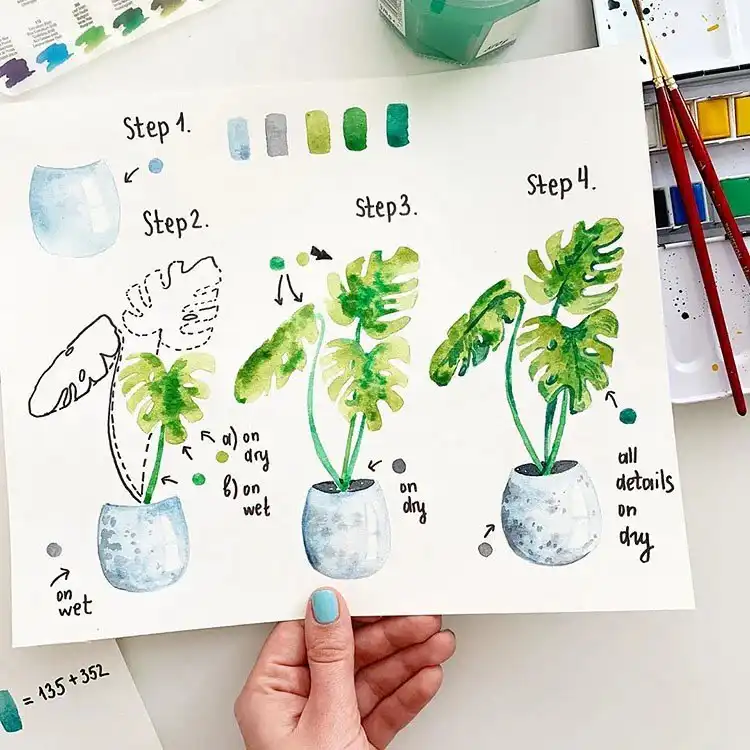
6. How to Draw a Plant
This step-by-step tutorial provides a clear guide on how to simply and effectively paint a beautiful potted plant. It demystifies the process, breaking down complex forms into manageable stages, ideal for those who feel intimidated by drawing flora.
Focus on creating the basic shapes of the pot and leaves first, then gradually build up shading and texture with successive watercolor layers. Pay attention to light sources to add realistic dimension, making your plant appear grounded and vibrant. Using various brushes can help achieve these realistic textures.
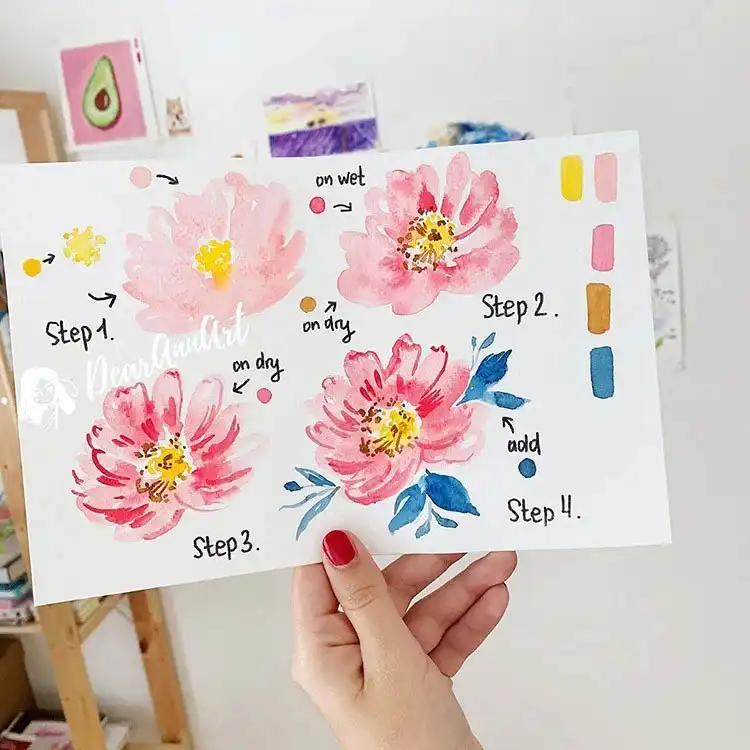
7. How to Paint a Flower
Another gorgeous step-by-step watercolor tutorial, this one specifically focuses on painting a single, elegant flower. It simplifies the intricacies of petals and leaves, offering an approachable method to create a stunning botanical illustration.
Begin by sketching the flower’s outline lightly with a pencil. Then, apply transparent washes, building intensity in areas of shadow. This tutorial emphasizes understanding form and light to give your flower a lifelike quality and depth.
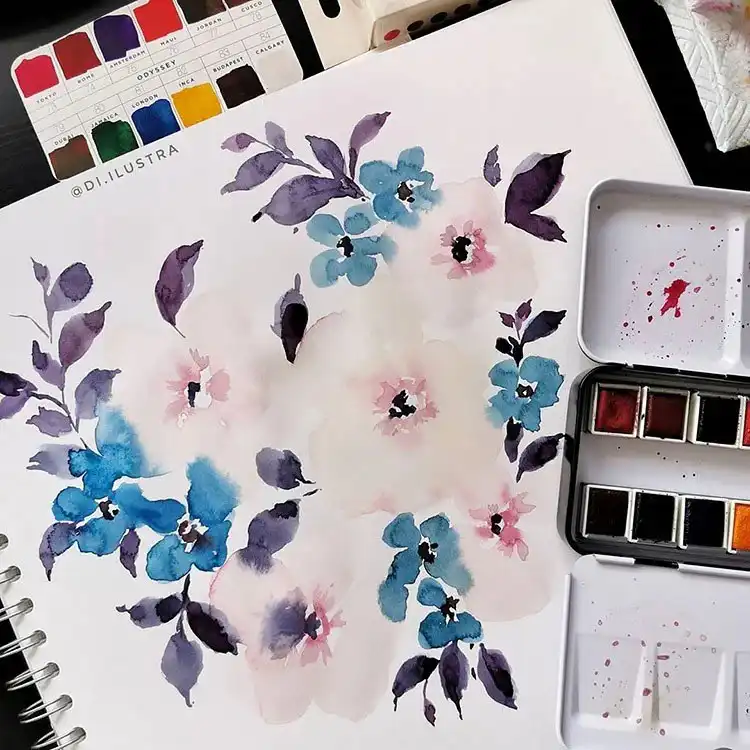
8. Purple and Blue Flowers
For lovers of a cool and calming palette, these watercolor flowers feature an enchanting combination of purple and blue. The seamless blend of these hues creates a soothing visual effect, making the artwork feel serene and sophisticated.
Achieve this dreamy blend by working with wet paints, allowing the purple and blue pigments to meld on the paper. Use a slightly darker shade in areas where petals overlap or recede to create natural shadows and give the flowers form.
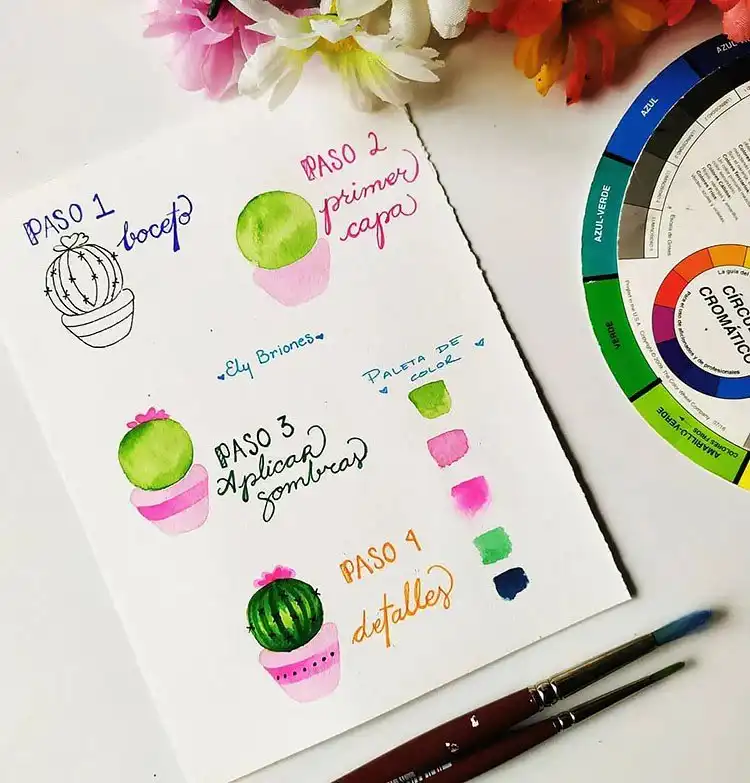
9. How to Paint a Cactus
Looking for a quick, fun, and quirky watercolor project? This guide shows you how to paint a charming cactus nestled in a pink pot, complete with a tiny flower bloom. It’s an excellent way to practice painting varied textures and simple floral elements.
When painting the cactus, use dry brush techniques to mimic its spiky texture, then apply a smooth wash for the pot. Don’t forget the small, bright flower on top – it adds a delightful splash of contrasting color and personality.
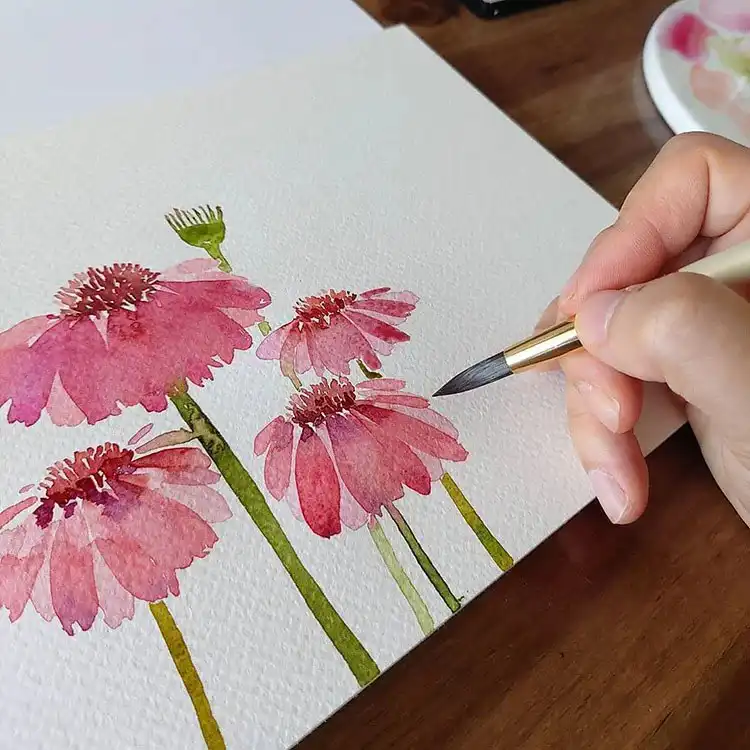
10. Pink and Red Flowers
This painting serves as a fantastic reference for rendering flowers with bold, warm hues. It encourages artists to practice depicting a single type of flower, focusing on variations in shade and light to bring it to life. The rich pinks and reds create an immediate visual impact.
To get this effect, use a stronger pigment concentration for the deeper red tones and dilute for the softer pinks. Layering these colors carefully can add significant depth and vibrancy to each petal, making the flower appear to glow.
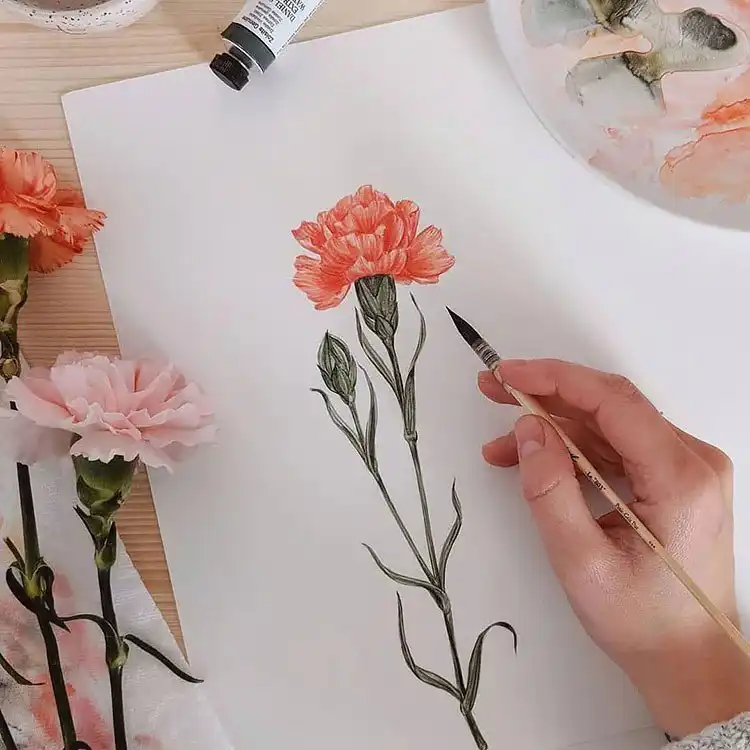
11. Carnation Flower Painting
The simplicity and delicate realism of this carnation watercolor painting are truly captivating. The artist’s use of real flowers as reference is evident, highlighting the importance of observation in botanical art. The ruffled edges of the petals are beautifully captured with minimal strokes.
Observe the unique texture of carnation petals, using slight variations in brush pressure to create soft ruffles. A light, airy wash for the base and then careful dabbing with a drier brush can simulate the flower’s characteristic appearance.
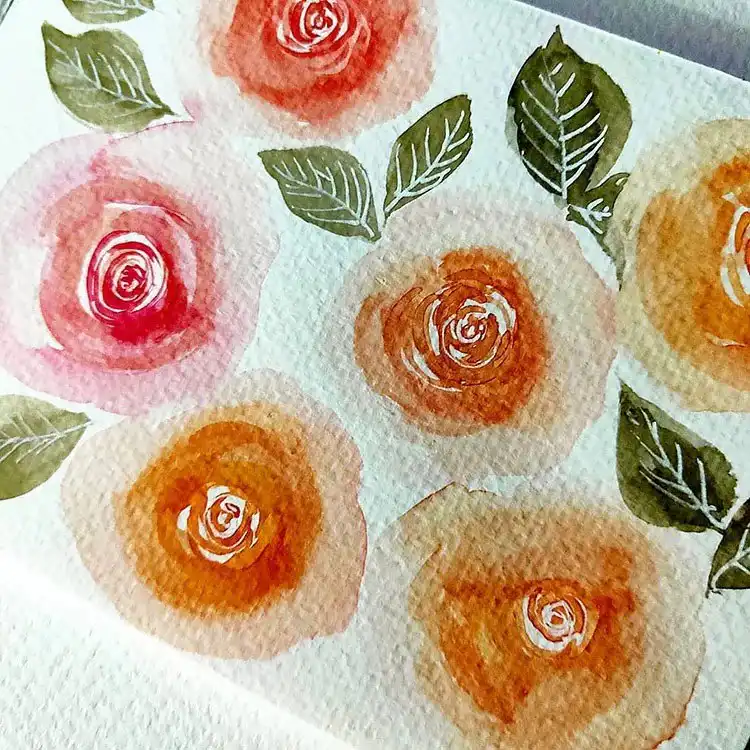
12. Pink and Orange Watercolor Flowers
These inviting shades of pink and orange watercolor flowers bring a refreshingly vibrant look to any artistic project. Their blossoming hues are guaranteed to infuse energy and warmth, whether for an art piece, home decor, or an event design.
Combine soft coral pinks with warm, sunny oranges to achieve this cheerful effect. Experiment with both wet-on-wet blending for smooth transitions and wet-on-dry techniques for sharper petal definitions, creating dynamic and appealing compositions.
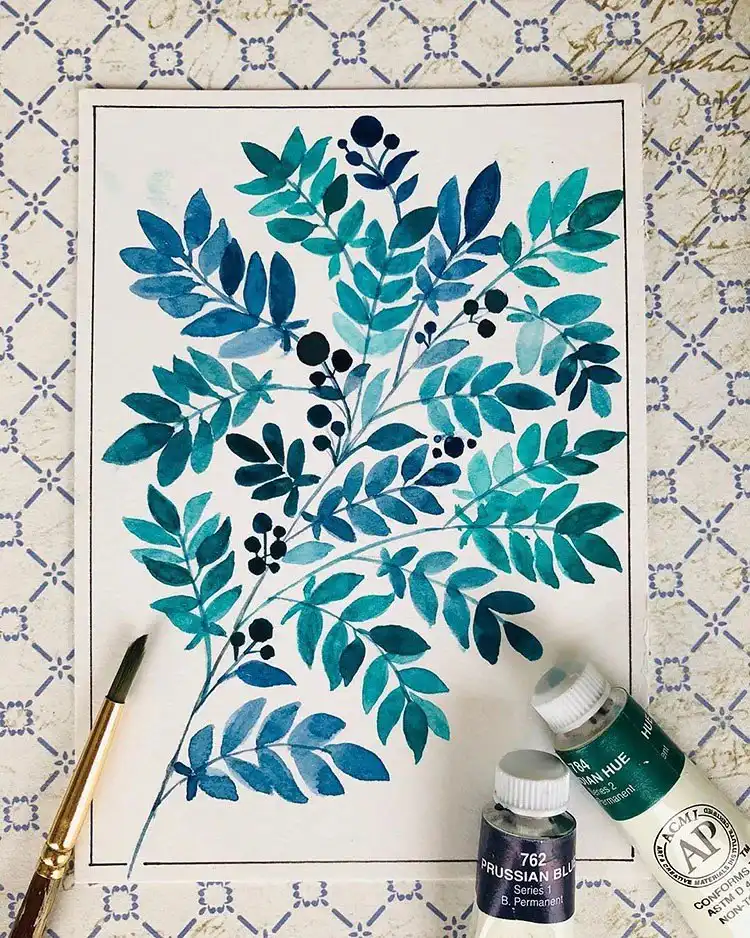
13. Shades of Blue Watercolor Flowers
Completing a piece like these stunning shades of blue watercolor flowers will leave you with a masterpiece worthy of framing. The varied intensity of blue creates a calming and sophisticated aesthetic, perfect for modern and classic interiors alike.
Explore the full spectrum of blue pigments, from pale sky blue to deep sapphire. By layering diluted washes and then adding more concentrated pigment, you can achieve an incredible sense of depth and intricate detail within each floral form.
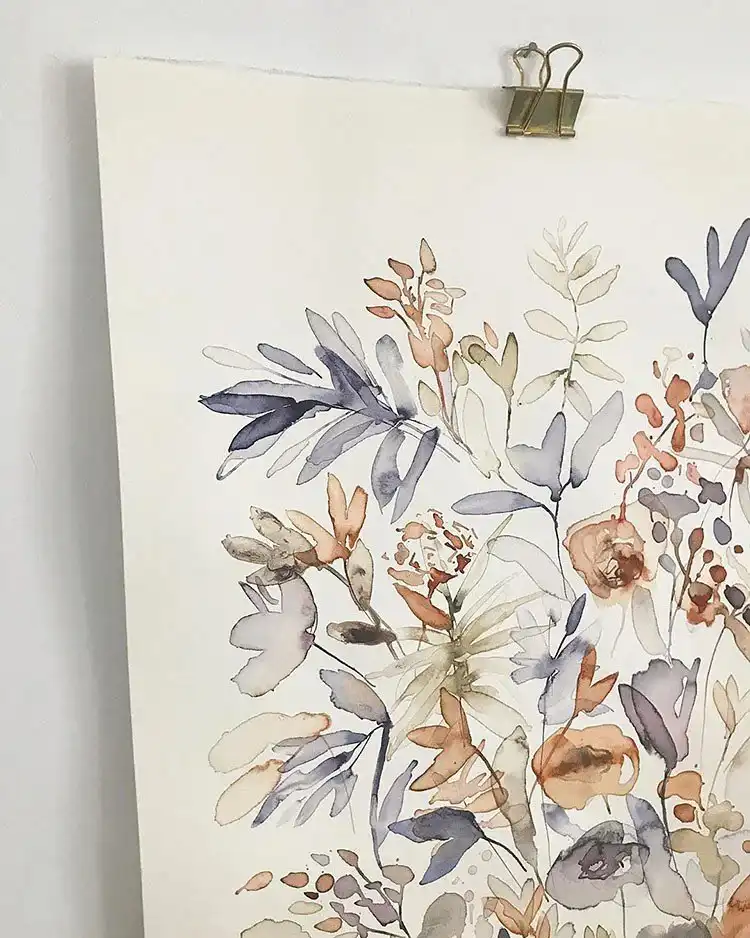
14. Muted Colors
The understated beauty of this painting lies in its exquisite use of muted colors. The harmonious blend of browns, blues, and greens creates a wonderfully tranquil and sophisticated composition. This palette proves that subtlety can be incredibly striking.
When working with muted tones, focus on balancing the cool and warm elements. Allow colors to softly blend on the paper, creating smooth, almost smoky transitions. This technique lends itself well to conveying a sense of calm and natural elegance.
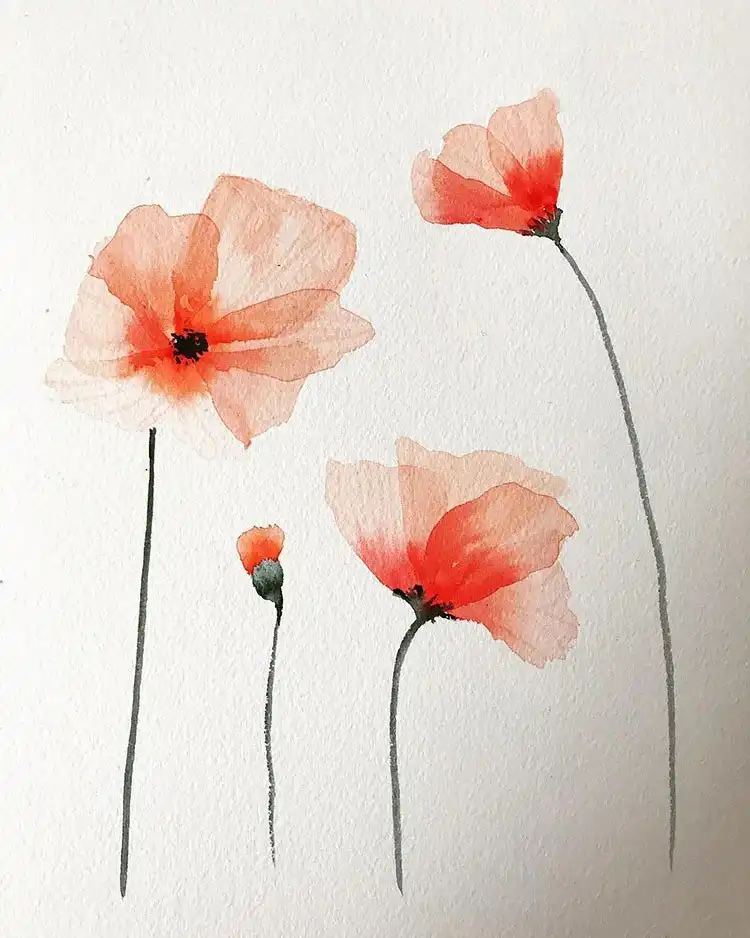
15. Watercolor Poppy Flowers
Poppy flowers are surprisingly easy to paint, and the finished design is always strikingly beautiful. This makes them a perfect subject for beginner watercolor artists looking for a rewarding and enjoyable project with quick results.
Use broad, confident strokes to capture the delicate, almost tissue-paper texture of poppy petals. Employ vibrant reds and oranges, perhaps with a touch of dark center, to create a lively and unmistakable poppy form against a simple background.
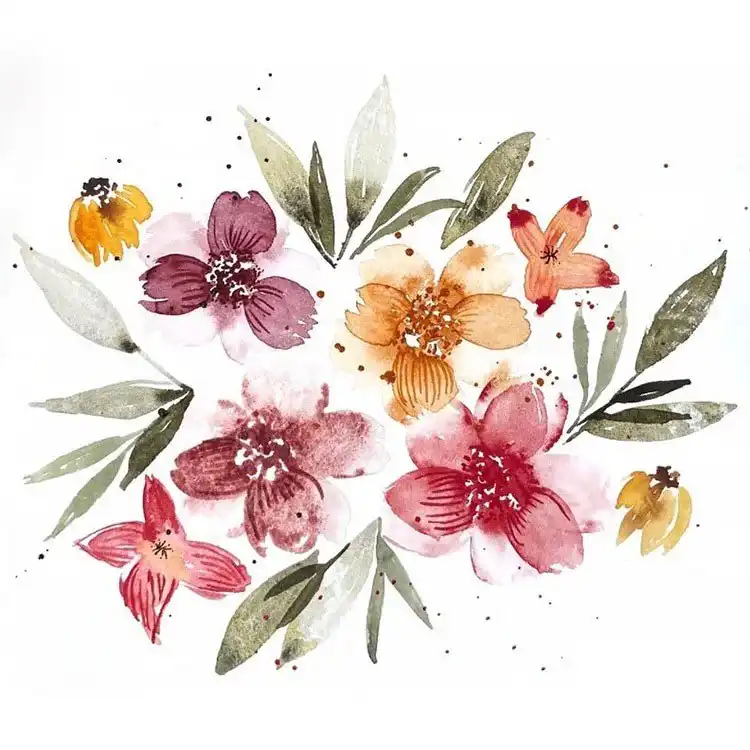
16. Colorful Flowers
This piece of artwork is a vibrant celebration of color, showcasing a gorgeous array of flowers. The artist’s choice of red, orange, and purple hues blends harmoniously, resulting in a visually rich and utterly captivating composition that draws the eye.
To achieve such vibrancy, use highly pigmented watercolors and allow them to intermingle on the paper. This creates natural color transitions and a sense of organic growth within the bouquet, making each flower distinct yet part of a cohesive whole.
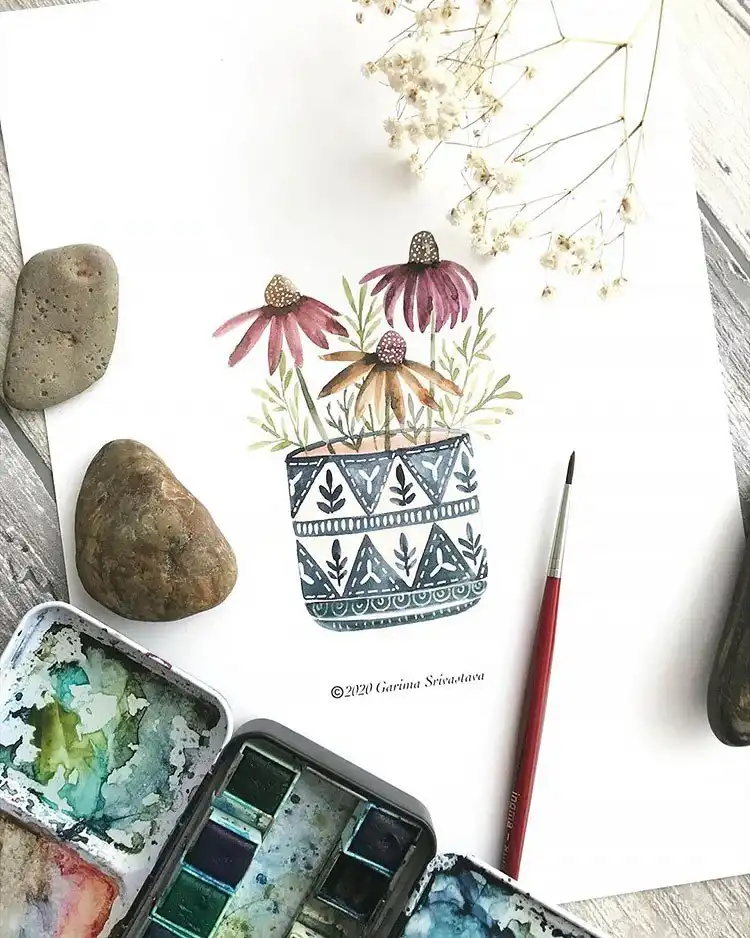
17. Flowers in a Pot
The addition of a flower pot brings a lovely grounding element to this watercolor painting. The thoughtful detailing of the pot complements the delicate blooms, adding a touch of domestic charm and composition to the floral arrangement.
Focus on rendering the pot with a solid, earthy tone, perhaps with some subtle texture, to contrast with the lightness of the flowers. Consider how the light hits both the pot and the flowers to create a cohesive and realistic scene.
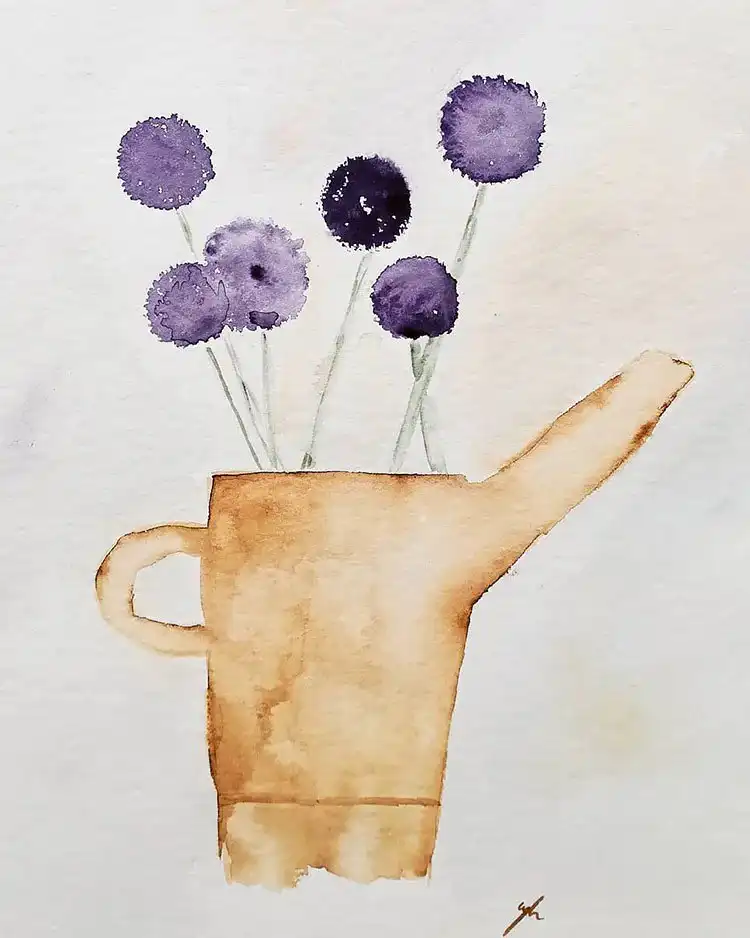
18. Watering Can with Purple Flowers
This delightful painting of purple flowers cascading from a watering can makes a charming addition to any home decor. It combines rustic appeal with floral elegance, perfect for a cottage-core aesthetic or a touch of spring indoors.
Pay attention to the metallic sheen of the watering can, using cool grays and blues with subtle reflections. The vibrant purple flowers should contrast beautifully, suggesting abundance and freshness as they overflow from the spout.
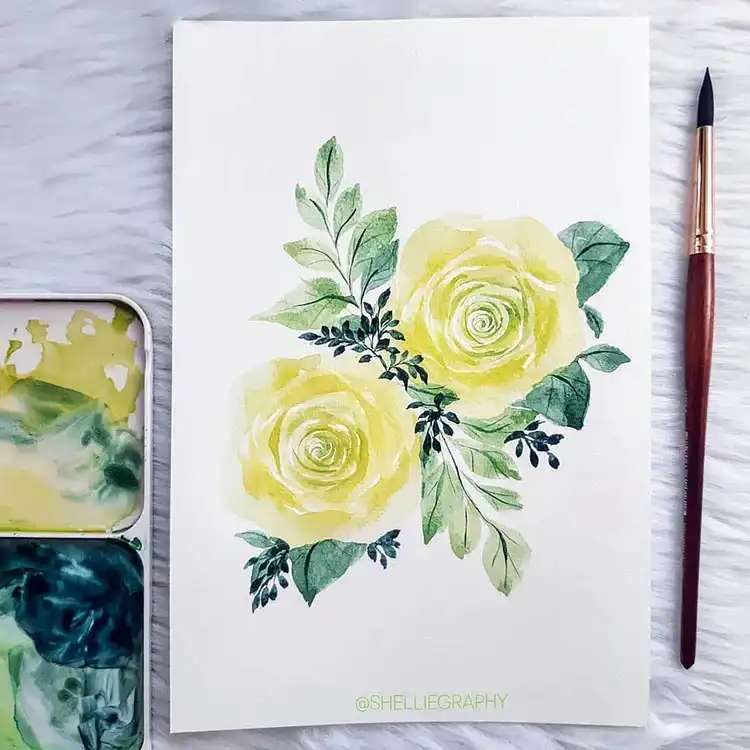
19. Shades of Green Flowers
The captivating simplicity of these flowers is further enhanced by their unique color palette of orange and green. This unexpected combination creates a fresh and modern look, proving that floral art doesn’t always need traditional colors to be striking.
Experiment with various shades of green, from lime to deep forest, to give the petals depth. The orange provides a cheerful counterpoint, ensuring the overall composition is balanced and visually intriguing, suitable for a minimalist aesthetic.
20. Vibrant Colored Flowers
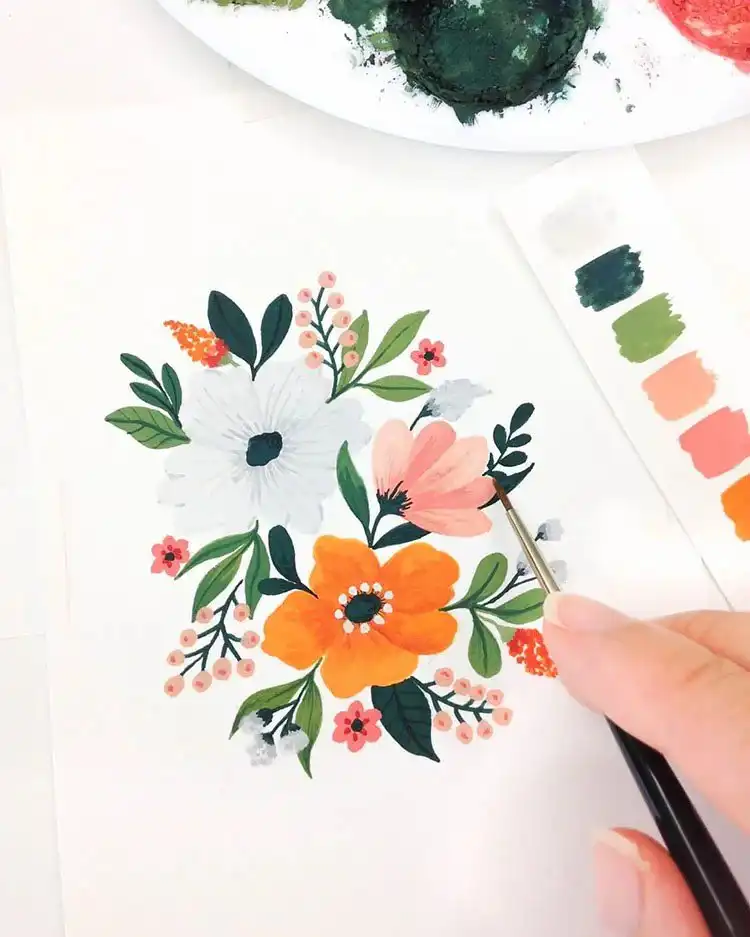
If you’re eager to work with bright, bold hues like oranges, pinks, and greens, this reference demonstrates how these colors can beautifully coexist. The dynamic interplay of these vibrant shades creates an energetic and joyful floral composition.
Embrace the intensity of your pigments, allowing them to create strong contrasts and visual interest. This style thrives on spontaneity and celebrates the joyful expression of color, making it an excellent exercise for building confidence with brighter palettes.
21. Vintage Floral Painting
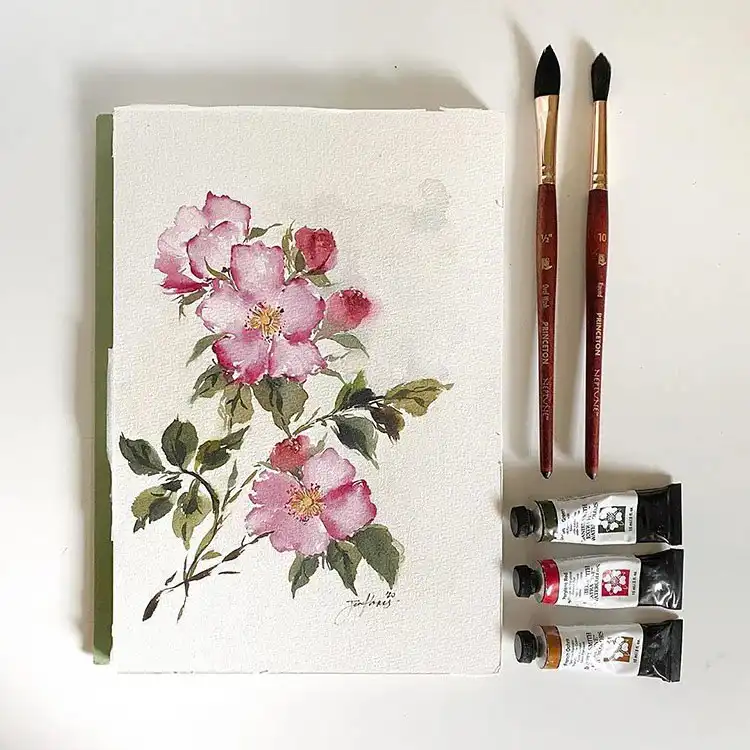
Use this exquisite watercolor painting as a reference to create a beautiful piece of art with a timeless, vintage appeal that would look stunning displayed on your wall. The soft, faded hues and classic floral forms evoke a sense of nostalgic charm.
To achieve a vintage look, work with a muted color palette, focusing on desaturated versions of traditional floral colors. Use subtle washes and soft edges, suggesting age and elegance, perhaps on slightly textured paper for added character.
22. Elegant Flowers
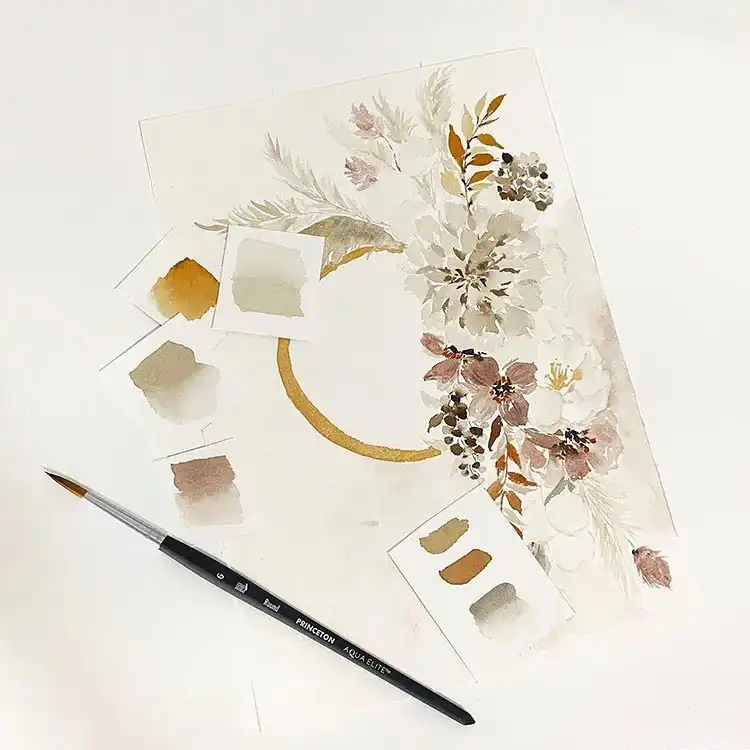
While often drawn to bright colors, the refined beauty of watercolor paintings that utilize more muted tones is incredibly impressive. These elegant flowers demonstrate how a subdued palette can convey sophistication and grace without needing vibrant splashes.
When working with muted colors, focus on careful layering to build depth and form. Allow the delicate interplay of light and shadow to define the petals, creating a serene and sophisticated aesthetic that feels timeless and understated.
23. Marigold Bouquet
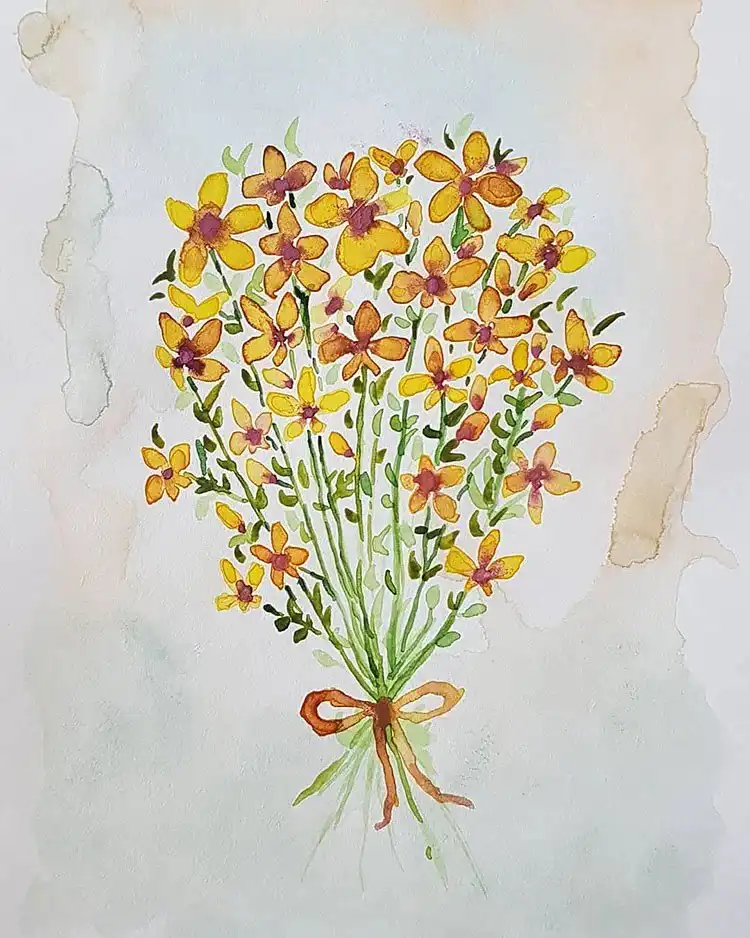
Though painting floral bouquets might seem challenging, this stunning marigold piece is incredibly inspiring and a delightful subject to recreate. The artist captures the dense, ruffled beauty of marigolds with a vibrant yet natural touch.
Focus on creating the spherical shape of the bouquet first, then build up the individual marigold textures with layered washes of oranges and yellows. Use dabs and short strokes to mimic the flower’s intricate, layered petals, making it appear full and lush.
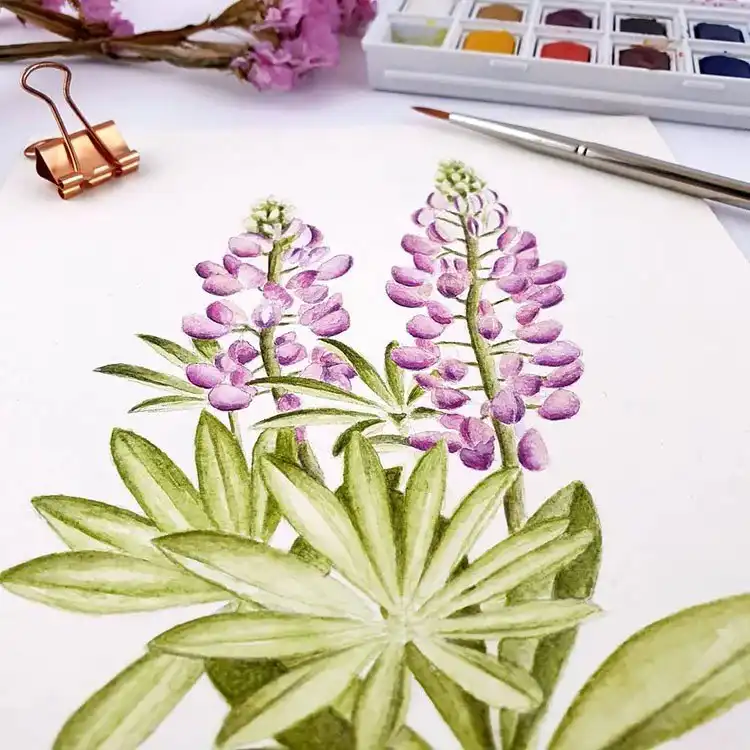
24. Lavender Flowers
This simple yet captivating watercolor painting features beautiful lavender flowers, making it an ideal reference for a relaxing and meditative painting session. Its graceful, slender forms and iconic purple hues are both soothing and satisfying to capture on paper.
To paint lavender, use thin, upward strokes to create the individual florets, building them up along a slender stem. The signature soft purple can be achieved with a diluted wash, adding depth with slightly darker concentrations in shaded areas for realism.
25. Flowers with Soft Pastels
The soft pastel colors used in this painting create a delightful and dreamy atmosphere, making it a wonderful reference for any beginner’s floral watercolor project. The gentle blending of hues offers a serene visual experience.
Work with very diluted pigments to achieve the delicate pastel effect. Allow colors to flow and mingle on wet paper for smooth, seamless transitions. This approach creates a romantic and airy quality perfect for whimsical floral designs.
26. Bees and Beetles Painting
For a fun and whimsical twist on floral art, consider painting these cute and colorful watercolor doodles featuring bees and ladybugs amongst the blooms. Adding small creatures brings an extra layer of charm and narrative to your artwork.
Focus on creating simple, stylized flowers and then carefully add the insects with finer details. Their contrasting colors will make them pop against the floral backdrop, transforming a simple bouquet into a lively garden scene.
27. Large Roses
This floral painting showcases large, expressive roses that are truly stunning. The choice of paper, with its beautiful vintage feel, perfectly complements the romantic and grand scale of the blooms, adding to the overall aesthetic.
To paint large roses, use expansive washes for the main petals, allowing for soft blending and subtle color variations. Emphasize the natural curvature and layering of the petals to convey their luxurious fullness and dramatic presence.
28. Floral Doodles
Your watercolor paintings don’t always need to be a single, intricate work of art. Have fun creating a variety of flower doodles, experimenting with different shapes, colors, and styles in a free-form composition. This is a great way to explore and practice.
Arrange your doodles spontaneously on the paper, letting each flower have its own character. This approach allows for creative freedom and can be a fantastic way to develop your personal artistic vocabulary without the pressure of a formal composition.
29. Cactus in Flower Pot
For beginners new to watercolor, the cactus is often a friendly and forgiving plant to paint. Placing your watercolor cactus in a pot adds lovely detail and context, enhancing the overall appeal of the botanical study.
Focus on sharp, angular shapes for the cactus body and add texture with dry brush strokes. The pot can be rendered with a smooth, even wash to contrast, and small details like subtle shadows will give it a three-dimensional quality.
30. Poppy Field and Blue Skies
This watercolor painting, depicting a vibrant poppy field beneath clear blue skies, would make a fantastic handmade greeting card. It evokes feelings of warmth and natural beauty, inviting the viewer into a serene landscape.
Use loose, expressive washes for the field of poppies, suggesting many flowers without needing to detail each one. The blue sky provides a calm backdrop, allowing the red poppies to stand out vividly and create a cheerful, inviting scene.
31. Watercolor Leaves
If you’re looking to refine your botanical painting skills, practicing watercolor leaves using this picture for reference is an excellent exercise. Mastering leaf forms and greens is fundamental for any floral artist.
Experiment with various shades of green, mixing in hints of yellow or blue to create natural variations. Focus on capturing the veins and natural curves of the leaves, using wet-on-wet techniques for soft blends and finer lines for intricate details.
32. Six Flowers
Trying your hand at these six distinct watercolor flower doodles is a superb way to practice and enhance your painting skills. Each flower offers a unique challenge, from petal structure to color application, in a compact format.
Dedicate time to each flower, focusing on different techniques for each. Perhaps one can be wet-on-wet, another with stronger lines, allowing you to compare and contrast approaches while building a diverse portfolio of floral elements.
33. White Orchid Painting
A white orchid can be portrayed in numerous ways, but for an elegant and simple look, focus on using minimal colors and just the right amount of detail. The result is a stunning flower that exudes purity and grace.
Use very diluted grays or cool blues to suggest shadows and form on the white petals, rather than pure white paint. This subtle shading brings the orchid to life, emphasizing its delicate structure without overwhelming it with color.
34. Sakura’s in a Heart
If you adore the delicate Sakura flower, you’ll surely appreciate this reference featuring these beautiful blossoms arranged within a heart shape. It’s a wonderfully romantic and symbolic piece, perfect for heartfelt gifts or personal expression.
Carefully render the soft pink petals of the Sakura, allowing them to flow together to form the heart shape. The gentle nature of the flowers makes this a tender and appealing design, symbolizing love and renewal.
35. Abstract Watercolor Flower
Abstract-style paintings offer immense creative freedom, allowing you to infuse your unique personality into your art. Use this painting as a reference, but let your imagination soar to make it truly your own with expressive strokes and unexpected color plays. For unique textures or fine detail work in your abstract pieces, silicone sculpting tools can be surprisingly versatile.
36. Tall Roses
Roses are not only visually captivating but, once you grasp their basic form, they become surprisingly simple to draw and paint. These tall roses showcase their elegant stature and classic beauty, making them a rewarding subject for any artist.
Focus on creating long, graceful stems that lead up to the full, lush rose heads. Use gentle washes to build the petal layers, then add sharper details for definition, ensuring the roses appear both delicate and robust.
37. Long Lavender Branch
This simple watercolor painting featuring a long lavender branch is an ideal reference for those seeking a straightforward yet beautiful project. Its elongated form and characteristic florets offer a calming and accessible subject matter.
Use delicate, upward strokes along a slender stem to create the signature lavender florets. The soft purples can vary slightly in intensity, giving the branch a natural, organic feel that is both peaceful and visually pleasing.
38. Elegant Flowers
These flowers are undeniably beautiful and exude an air of elegance. If you’re seeking a project that offers a delightful challenge, this painting serves as an excellent reference, pushing your skills in capturing refined botanical details.
Pay close attention to the subtle curves of the petals and the way light interacts with their surfaces. Using fine brushes for intricate details and careful layering of washes will help you achieve the sophisticated depth of these blooms.
39. Flower Sketch (In Progress)
For those who appreciate seeing the artistic journey unfold, this painting offers a glimpse into the process of creating a beautiful watercolor flower. It highlights the initial sketching and foundational washes, showing art in development.
Studying an in-progress piece can teach you about planning your layers and gradually building detail. Observe how the initial light pencil lines guide the transparent watercolor washes, establishing form before color intensity is added.
40. Soft Watercolors
This painting masterfully utilizes light watercolor paints to create an incredibly beautiful and serene piece of art. The delicate application results in an ethereal quality, showcasing the gentle side of the medium.
Achieve this soft effect by using highly diluted pigments and working primarily with wet-on-wet techniques. Allow the colors to blend organically, creating smooth transitions and a dreamy, understated elegance that is hallmark of soft watercolors.
41. Two Paintings Same Flower
The concept of painting the same flower in two different color schemes is a wonderfully creative idea. Both of these paintings would make a thoughtful gift, perfect for hanging side-by-side to highlight artistic versatility and contrast.
This exercise allows you to explore how color dramatically changes the mood and perception of an identical subject. Experiment with warm versus cool palettes, or vibrant versus muted tones, to see the striking differences.
42. Colorful Flowers
These flowers burst with brightness and color, promising a truly fun and exhilarating painting experience. The vibrant palette invites artists to explore bold combinations and dynamic compositions that are full of life.
Don’t shy away from saturated colors; let them mingle and create a joyful explosion on your paper. This approach encourages spontaneity and can lead to unexpectedly beautiful blends, resulting in a piece that feels energetic and expressive.
43. Pink and Blue Flowers
Here’s another stunning watercolor painting distinguished by its unique art style and captivating color combination. The harmonious blend of pink, blue, and green creates a visually pleasing and incredibly cohesive composition that feels fresh and modern.
Focus on achieving clean, crisp edges for the flowers while allowing for soft transitions between the colors within the petals. The green elements provide a natural grounding, enhancing the vibrancy of the pink and blue blooms.
44. A Bunch of Lavender
For those who adore the soothing beauty of lavender, this painting captures a lush bunch of these exquisite flowers. It’s a perfect reference for recreating the tranquil essence and distinctive form of massed lavender blooms.
Build up the mass of lavender with many small, distinct strokes for the florets, varying their intensity. The density of the bunch will be achieved through careful layering, ensuring the individual stems are discernible while forming a coherent cluster.
45. Bee and Flowers
Adding delightful elements like a bumblebee to your floral painting instantly brings it to life. You could also include a hummingbird, as these creatures are known for their love of nectar, making the scene more dynamic and engaging.
Once your flowers are complete, carefully paint the bee with attention to its fuzzy body and delicate wings. The small addition creates a narrative, inviting viewers to imagine the buzz and life within your painted garden.
46. Simple Red Flower
This simple red flower painting is an excellent project for beginners or anyone seeking a quick, fun, and relaxing creative activity. Its straightforward form allows you to focus on color and basic shading without complex structures.
Choose a vibrant red pigment and use soft washes for the petals, building up intensity in the center or shaded areas. The beauty lies in its elegant simplicity, proving that even a minimal design can be truly captivating.
47. Orange and Blue Flowers
This color palette, featuring the bold contrast of orange and blue, is an uncommon yet incredibly effective choice that makes this painting uniquely appreciated. It encourages artists to venture beyond traditional pairings when selecting hues for floral art.
Experiment with complimentary colors to create striking visual tension. The warm oranges will pop against the cool blues, generating a dynamic and eye-catching composition that demonstrates artistic bravery and creativity in color selection.
48. Purple Tulips
Tulip enthusiasts will undoubtedly admire this beautiful painting of purple tulips. With over 150 species and thousands of varieties, tulips offer endless inspiration, and this piece perfectly captures their elegant, cup-shaped blooms.
Focus on the distinctive goblet shape of the tulip petals, using gentle curves and smooth washes to render their form. Varying shades of purple will add depth and realism, making each tulip appear robust and full of life.
49. Vibrant Colors
If you have a passion for working with vibrant colors, allow this floral piece to be your guide and inspiration. Challenge yourself to concoct your own unique, vivid color palette for your next watercolor painting, embracing boldness and energy.
This style celebrates the pure joy of color. Layer bright, contrasting hues and allow them to interact on the paper, creating an explosion of visual delight. It’s an opportunity to express unbridled creativity and make a truly lively statement.
50. Simple Purple Flower
For a quick and satisfying painting project, consider rendering something like this simple purple flower. Pieces like this are perfect for those moments when you desire a laid-back, yet creatively fulfilling activity that yields beautiful results.
Use a single dominant shade of purple, allowing for slight variations in tone through water dilution. Focus on a clean, uncluttered composition that emphasizes the natural grace of the flower with minimal strokes, creating a sense of calm.
51. Colorful Flowers
This exquisite watercolor painting, a testament to the talent of @matilda.magdalena on Instagram, showcases her exceptional ability to create stunning floral art. Matilda is renowned for her beautiful floral watercolor paintings, prints, and more, offering a high standard to aspire to.
Observe her masterful use of color and composition, drawing inspiration from her techniques. This painting highlights how a cohesive palette, even with multiple colors, can create a unified and aesthetically pleasing bouquet, inspiring your own colorful creations.
52. Simple Yet Beautiful
The flower painting below perfectly illustrates that art doesn’t need to be complex to be wonderful. Its simplicity is its strength, proving that even beginner artists can create truly beautiful and impactful pieces without intricate details.
Embrace minimalism by focusing on the essential forms and colors of a flower. A few well-placed washes and lines can convey immense beauty and emotion, allowing the natural qualities of watercolor to shine through with elegant restraint.
53. Easy Red Flower
This simple red flower is another fantastic example for anyone looking for a quick and rewarding painting project. Its clear form and vibrant color make it highly approachable for those new to watercolor, offering immediate satisfaction.
Choose a rich, pure red and use confident strokes to define the petals. Keep the background minimal to allow the flower to be the focal point. This straightforward approach is excellent for building confidence and enjoying the process of watercolor art.
We hope these 20 easy watercolor flower paintings to inspire you—featuring the enchanting lavender flower and many more—have sparked your creativity! Don’t forget to save your favorite ideas to Pinterest, share this article with a fellow art enthusiast, and leave a comment below to tell us which floral design you can’t wait to try!