Unlock Your Inner Artist: A Wisteria Branch Watercolor Flower and Tree Tutorial
Dive into the enchanting world of watercolor painting, where every brushstroke brings vibrant life to your canvas. This comprehensive guide offers an array of inspiring ideas perfect for artists of all skill levels. Whether you’re a beginner eager to learn basic techniques or an experienced painter seeking fresh inspiration, you’ll find plenty of craft supplies to spark your creativity and perhaps even inspire you to try Nezuko Drawing from the Demon Slayer Anime with watercolors.
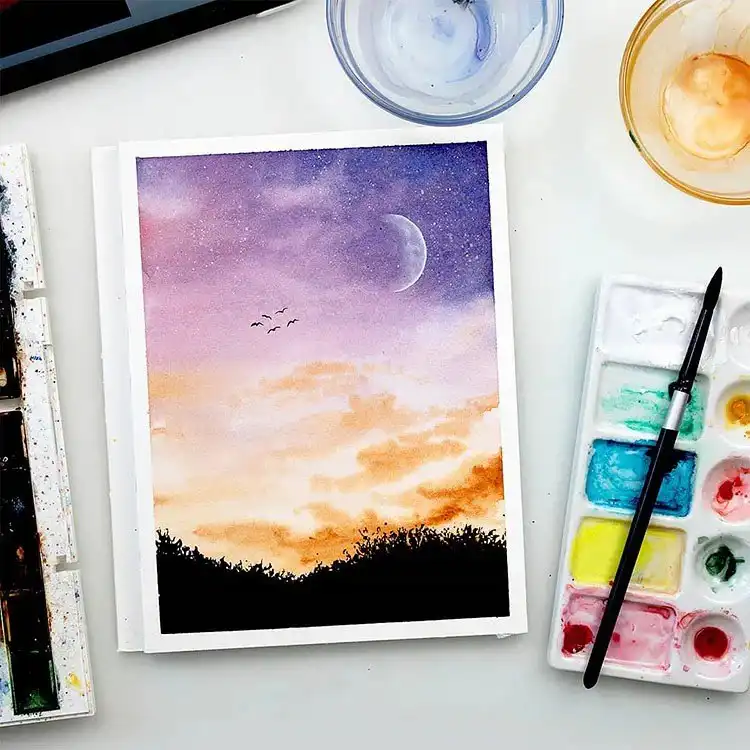
Discover how to master delicate washes, bold strokes, and intricate details, including a dedicated section on the beautiful Wisteria Branch Watercolor Flower and Tree Tutorial. From capturing the ephemeral beauty of flowers to the serene grandeur of landscapes, these tutorials will help you develop your skills and create stunning watercolor masterpieces. You might even find inspiration for 20 Cool Things to Draw When You’re Bored, reimagined in watercolor.
Purple Bird Tutorial
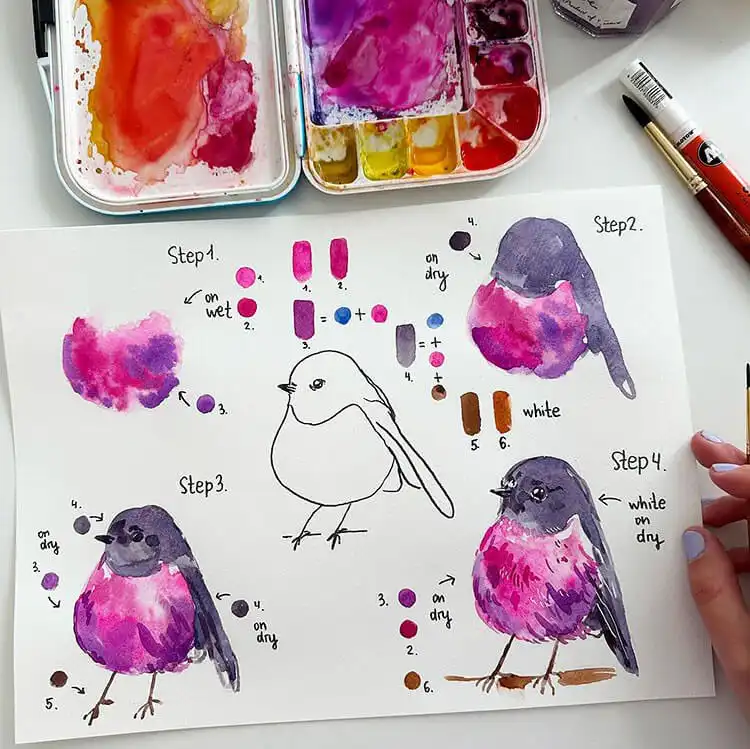
Embark on a delightful artistic journey by learning to paint an adorable bird using watercolors. This tutorial guides you through creating soft feather textures and expressive eyes, perfect for practicing fine brush control. Experiment with vibrant hues like sapphire and amethyst, or opt for a more natural palette to bring your feathered friend to life on paper.
Focus on layering transparent washes to build depth and form, allowing previous colors to shine through. Consider adding subtle splatters for an artistic touch, mimicking the delicate flutter of wings. This project is excellent for honing your color blending skills.
Cosmos Flower Tutorial
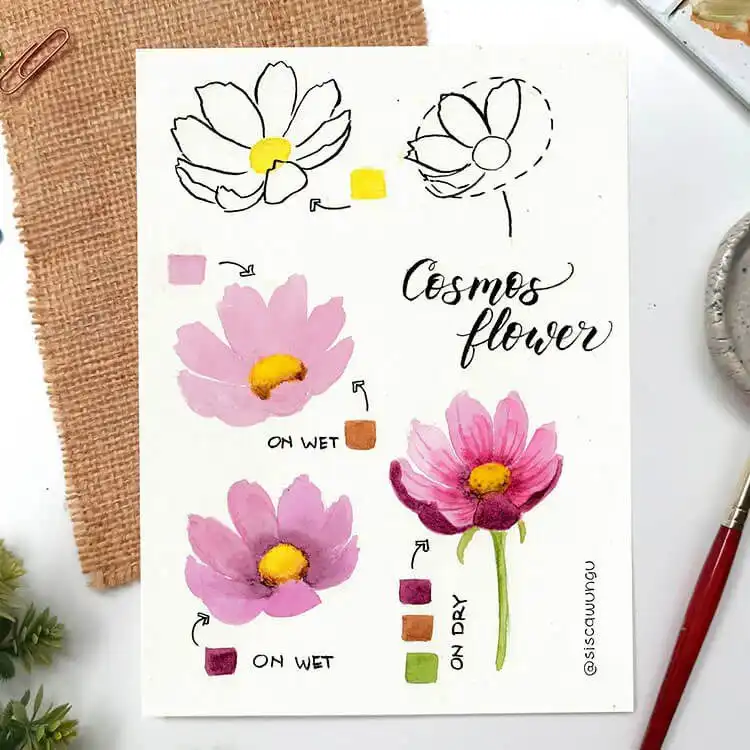
Capture the ethereal beauty of cosmos flowers with this step-by-step watercolor tutorial. Learn to depict their delicate, overlapping petals and slender stems with graceful washes and precise linework. Focus on the soft transitions of color from the petal base to the tips, creating a luminous effect that is characteristic of watercolor.
Experiment with shades of pink, white, and purple, using wet-on-wet techniques for soft, blended edges on the petals. Pay attention to the subtle shading that gives each petal dimension. This tutorial is perfect for practicing floral realism and capturing natural elegance.
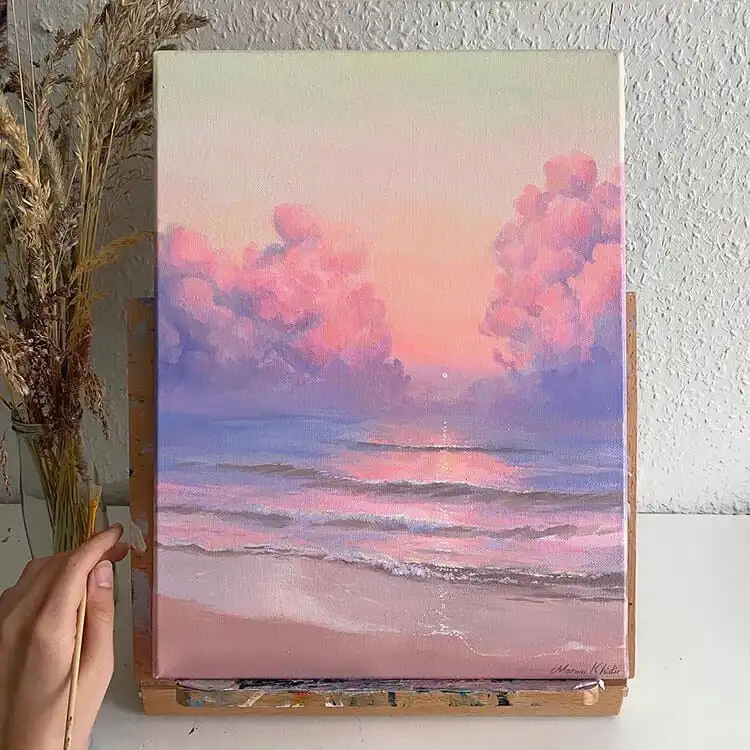
Sunset on the Beach
Immerse yourself in the serene beauty of a beach sunset, translating its warm, glowing colors onto paper. This painting idea encourages the use of rich yellows, oranges, and purples, blended seamlessly across the sky and reflected in the water. Focus on creating a sense of vastness and tranquility with broad, sweeping washes.
Achieve a soft, hazy atmosphere by applying wet-on-wet techniques for the sky, allowing colors to merge organically. Use a touch of darker blues or purples at the horizon line to enhance depth. This piece is perfect for capturing peaceful, atmospheric landscapes.
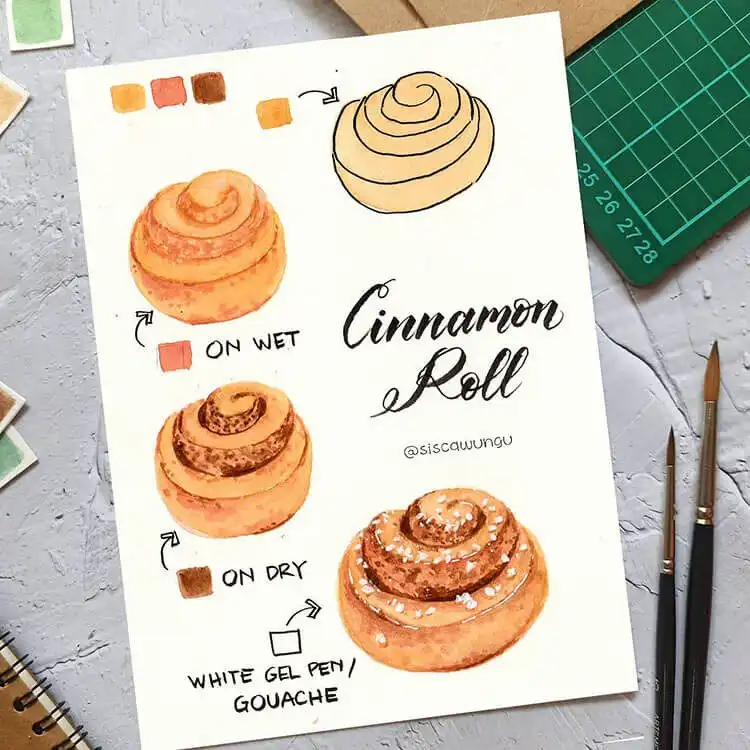
Cinnamon Roll Tutorial
Indulge your artistic appetite by painting a delectable cinnamon roll with watercolors. The swirling pastry offers a fantastic opportunity to practice gradual shading and creating texture. Use warm browns, golden yellows, and creamy whites to evoke the comforting aroma and deliciousness of a freshly baked treat.
Layer light washes first, gradually building up darker tones to define the intricate spirals and sugary glaze. A dry brush technique can add subtle texture to the baked crust. This project is a delightful way to explore food illustration and capturing tempting visual details.
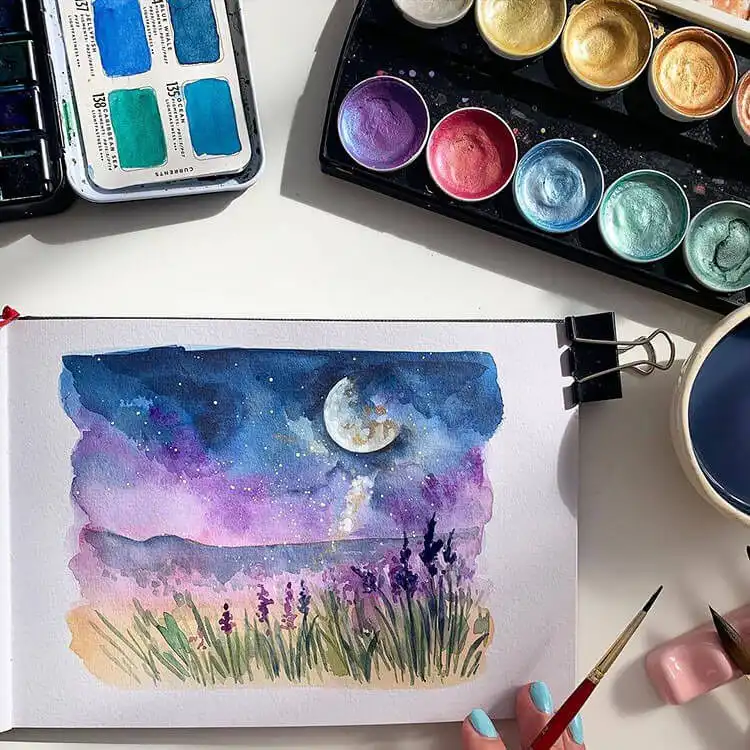
Beach in the Evening
Transport yourself to a tranquil evening beach scene, painting the soft twilight hues of dusk. This artwork focuses on deep blues, purples, and touches of faint orange where the last light lingers. Capture the calming atmosphere with gentle washes and subtle reflections on the damp sand and water.
Use smooth transitions between the sky and water to create a seamless horizon. A hint of moonlight or distant lights can add a touch of magic to the composition. This painting is an excellent exercise in capturing mood and the subdued palette of twilight.
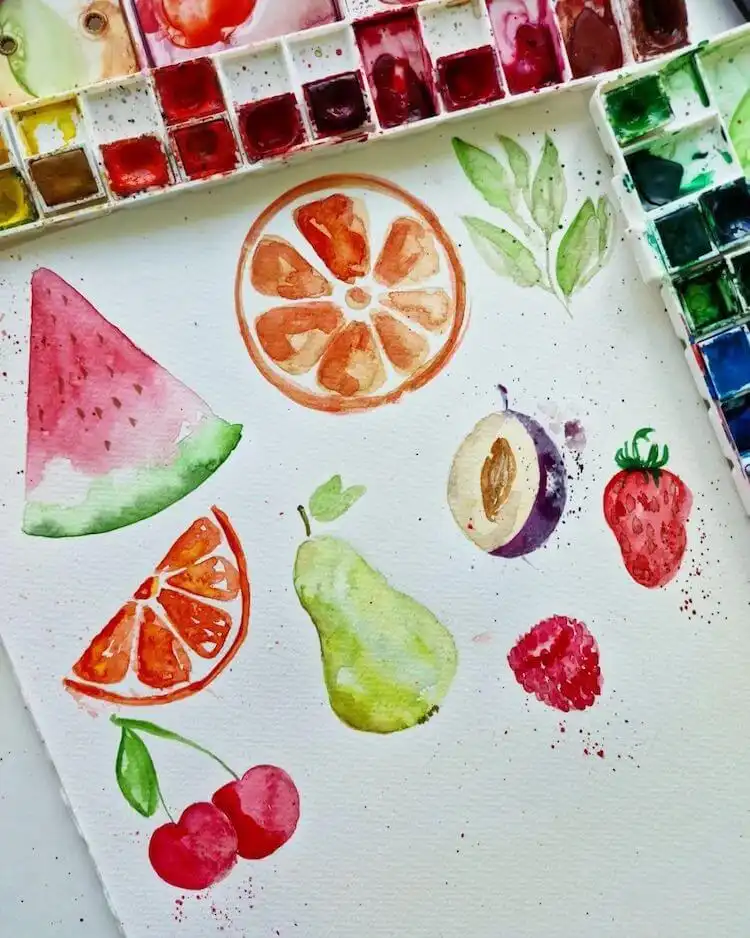
Summer Fruit
Brighten your palette with a vibrant composition of summer fruits in watercolor. This idea invites you to paint juicy oranges, ripe strawberries, sweet cherries, and crisp watermelon slices. Focus on capturing the unique textures and vivid colors of each fruit, utilizing glazing techniques for luminosity.
Practice wet-on-dry techniques for crisp edges on citrus slices and detailed seeds, while using wet-on-wet for softer blends on the flesh of berries. Layer colors to achieve realistic depth and translucency. This project is a fantastic way to celebrate the bounty of summer with your brush.
Pink Flower Tutorial
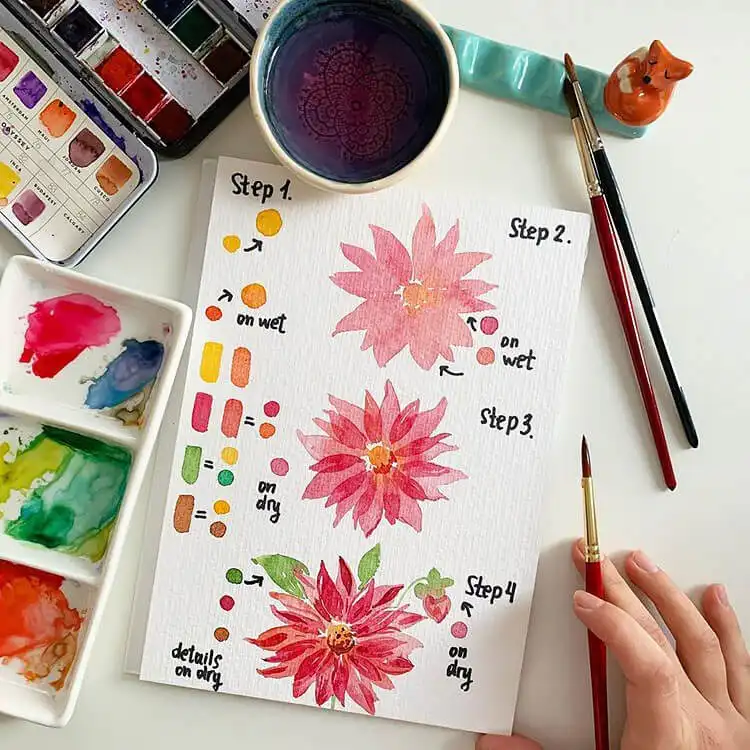
Dive into the beauty of floral painting with a stunning pink flower tutorial, focusing on a magnificent Dahlia. Learn the art of layering and blending rich pinks, deep magentas, and subtle creams to create voluminous petals. This tutorial emphasizes building texture and form through careful brushwork and color placement.
Achieve realistic petal folds and shadows by gradually adding darker shades with concentrated pigment. Utilize lifting techniques to create highlights and delicate veining. Consider exploring subjects like the Star Flower Poinsettia for its unique petal structure, applying similar techniques.
Oak Tree
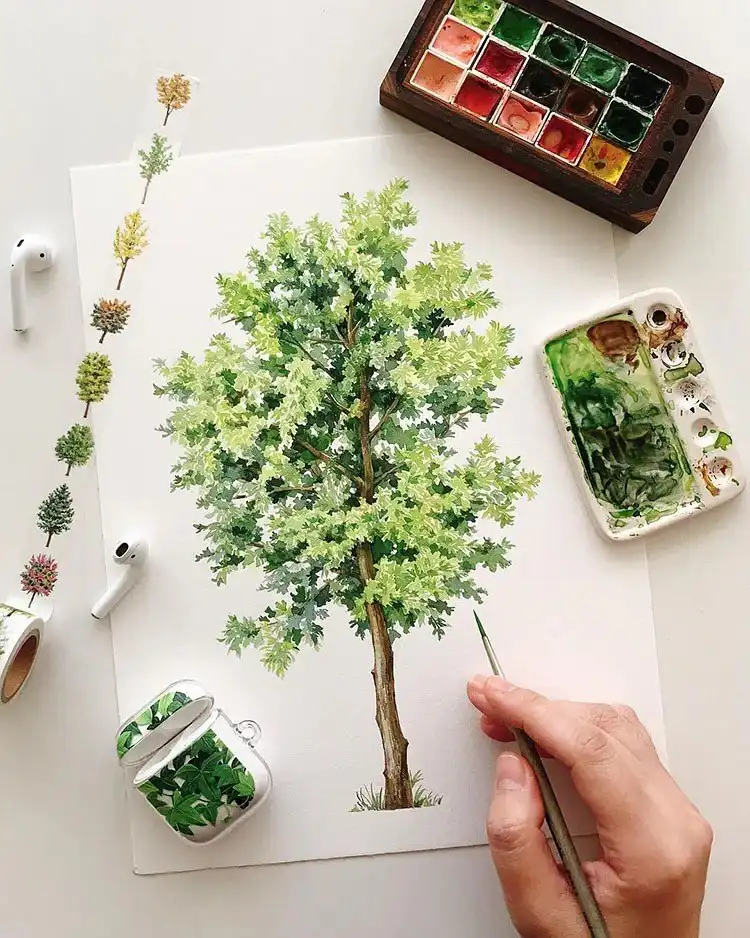
Capture the timeless strength and grandeur of an oak tree in watercolor. This project focuses on rendering intricate branch structures and rich foliage using various shades of green, brown, and hints of yellow. Explore how different greens combine to add immense depth and realism to the canopy.
Start with a light wash for the overall tree shape, then build up layers for leaves, using dabbing or dry brush techniques for texture. Define the rugged bark with darker tones and expressive brushstrokes. This is an excellent study in landscape elements and natural form.
Coffee Mug Tutorial
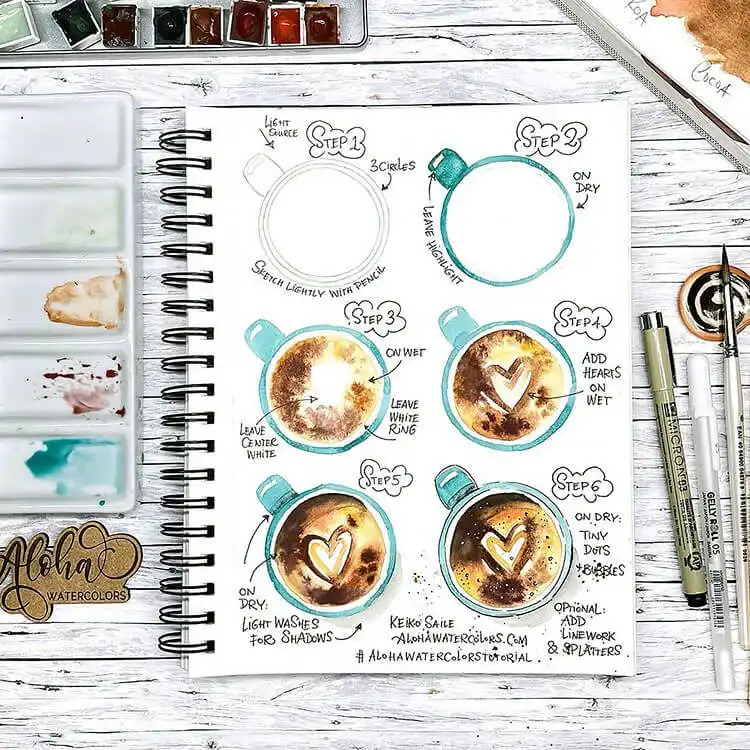
Embrace the comforting warmth of a coffee mug, perfect for watercolor painting. This tutorial guides you through capturing the subtle reflections on ceramic, the rich tones of coffee, and the delicate swirls of foam. Focus on creating a sense of cozy atmosphere and inviting texture.
Use gentle curves for the mug’s shape and varying shades of brown for the coffee, perhaps a touch of white for cream. Practice painting steam by gently lifting pigment or using very light washes. This subject is ideal for still life practice and rendering everyday objects beautifully.
Cactus with Flowers Tutorial
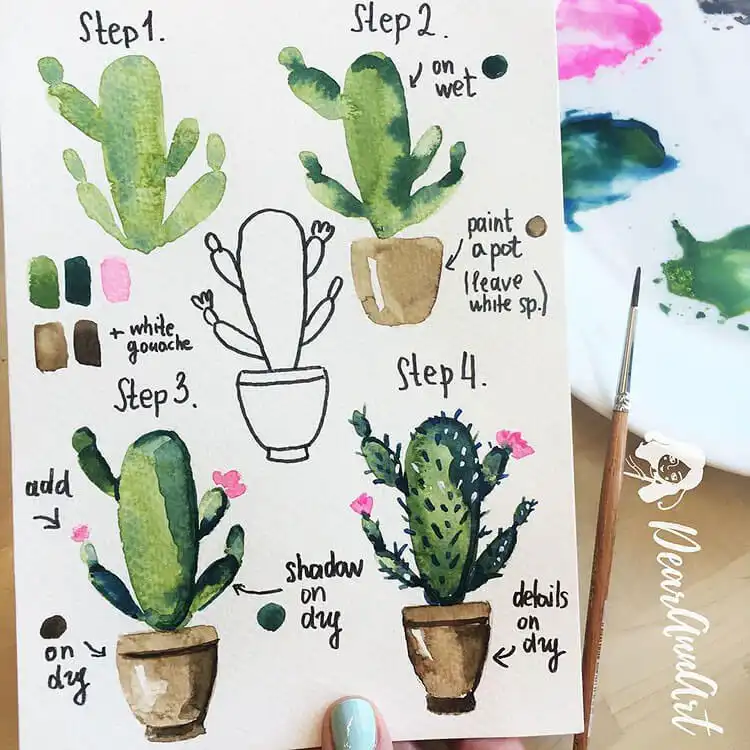
Bring the desert’s charm to your canvas with a vibrant cactus adorned with colorful blooms. This tutorial teaches you to render the unique textures of cactus spines and the delicate beauty of their flowers. Combine cool greens for the cactus body with bright pinks or reds for the petals to create a striking contrast.
Employ stippling or dry brush techniques for the prickly texture of the cactus, and wet-on-wet for soft, glowing flower petals. Adding a simple pot enhances the composition. This project is a fun way to explore botanical illustration with a touch of whimsy.
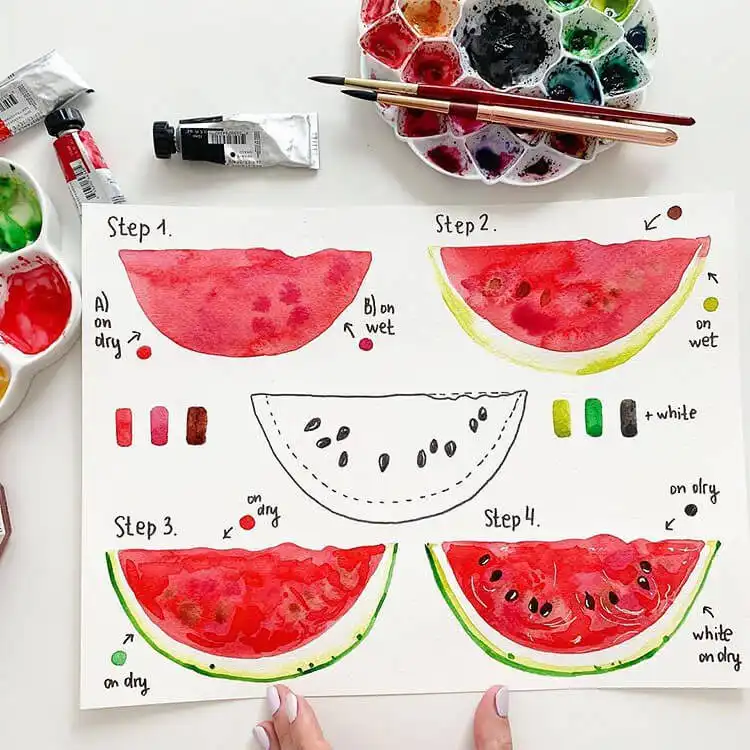
Watermelon Slice Tutorial
Perfect for beginners, this watermelon slice tutorial offers a refreshing introduction to watercolor techniques. Learn to paint the vibrant reds, crisp white rind, and dark seeds with clear, distinct layers. It’s an excellent way to practice creating clean edges and strong color contrasts.
Focus on sharp transitions between the red flesh, the pale inner rind, and the darker outer rind. Use a fine brush for the small, dark seeds. This simple yet satisfying project allows you to quickly achieve a visually appealing and recognizable subject.
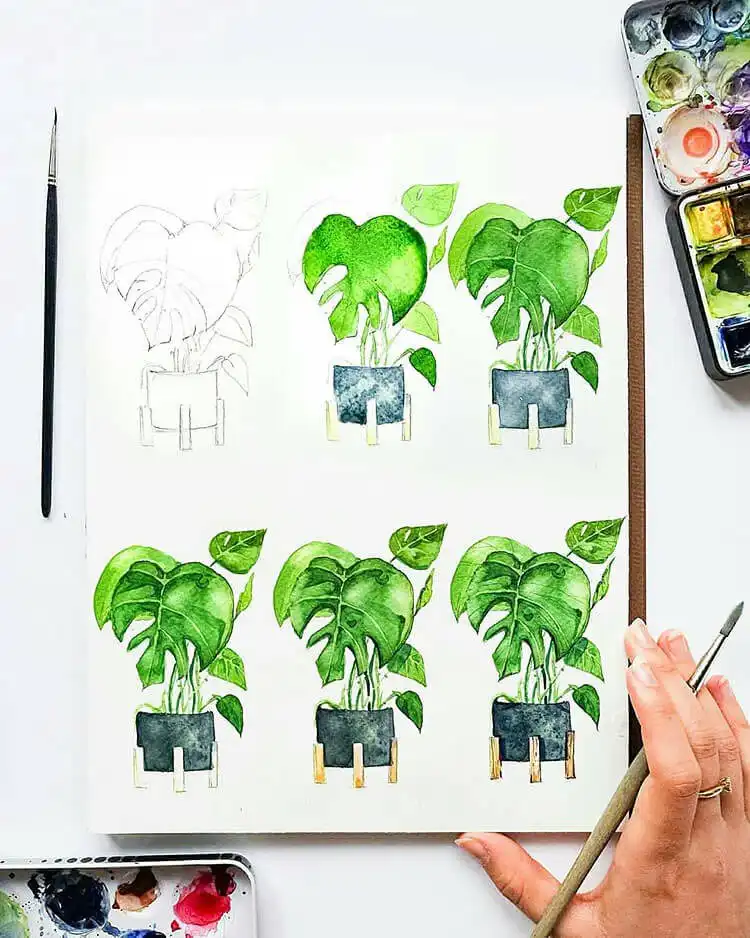
Monsterra Plant Tutorial
Capture the tropical allure of a Monstera plant with this step-by-step tutorial. Learn to paint its iconic split leaves and lush green hues, focusing on creating depth and natural variations in color. This guide helps you depict the plant’s unique texture and elegant form.
Use a variety of greens—from deep forest to vibrant lime—and layer them to create natural shadows and highlights. Pay attention to the distinctive fenestrations (holes) in the leaves for realism. This botanical subject is excellent for practicing leaf anatomy and texture.
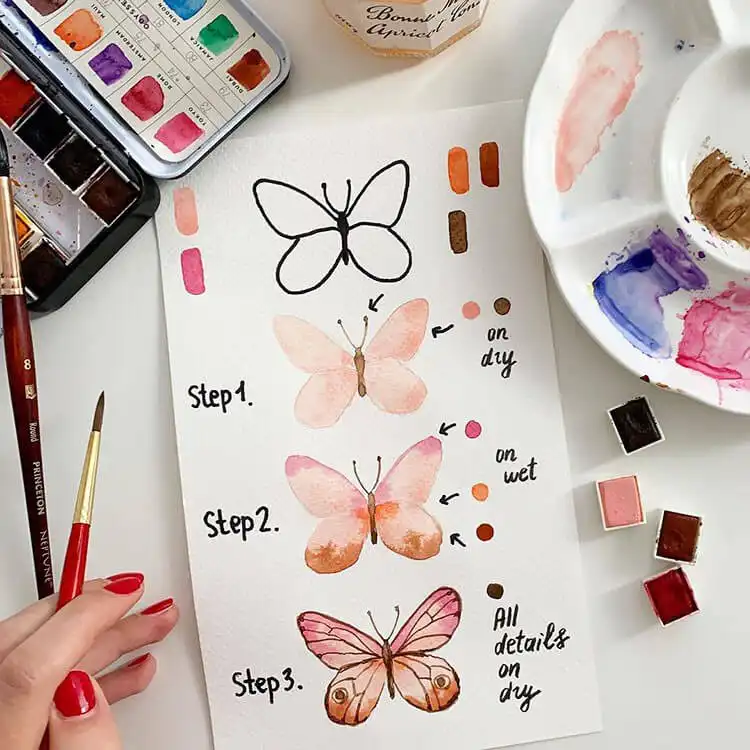
Butterfly Tutorial
Unleash your inner artist with a simple yet elegant butterfly tutorial. This guide shows you how to sketch and paint a beautiful butterfly, focusing on symmetrical wing patterns and delicate antennae. Experiment with a kaleidoscope of colors to make your butterfly truly unique and vibrant.
Start with light washes for the base wing color, then add intricate patterns and details with a fine-tipped brush. Use darker shades for the body to create contrast and dimension. This project is ideal for practicing symmetry, detail work, and vibrant color blending.
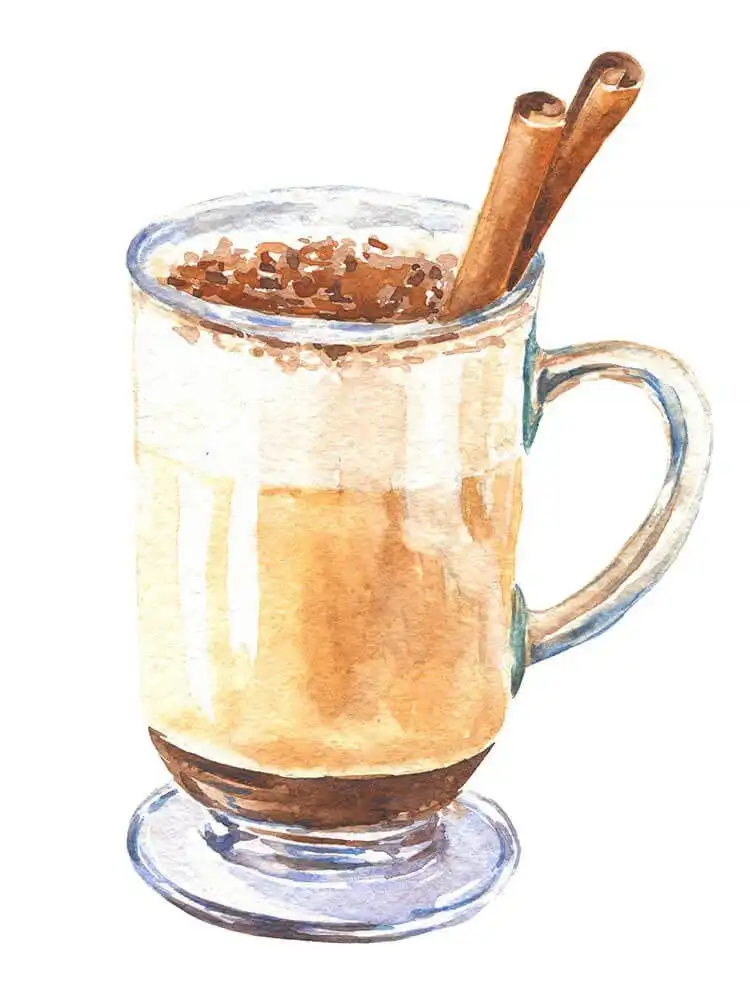
Coffee with a Cinnamon Stick
Evoke the cozy essence of autumn mornings by painting a cup of coffee accented with a cinnamon stick. Focus on capturing the steam rising from the cup, the varying layers of coffee and cream, and the textured bark of the cinnamon stick. This scene is all about warmth and inviting details.
Use subtle gradations of brown for the liquid, gentle washes for the steam, and a more textured approach for the cinnamon. Highlight reflections on the cup for added realism. This still life offers rich opportunities for depicting varied textures and atmospheric effects.
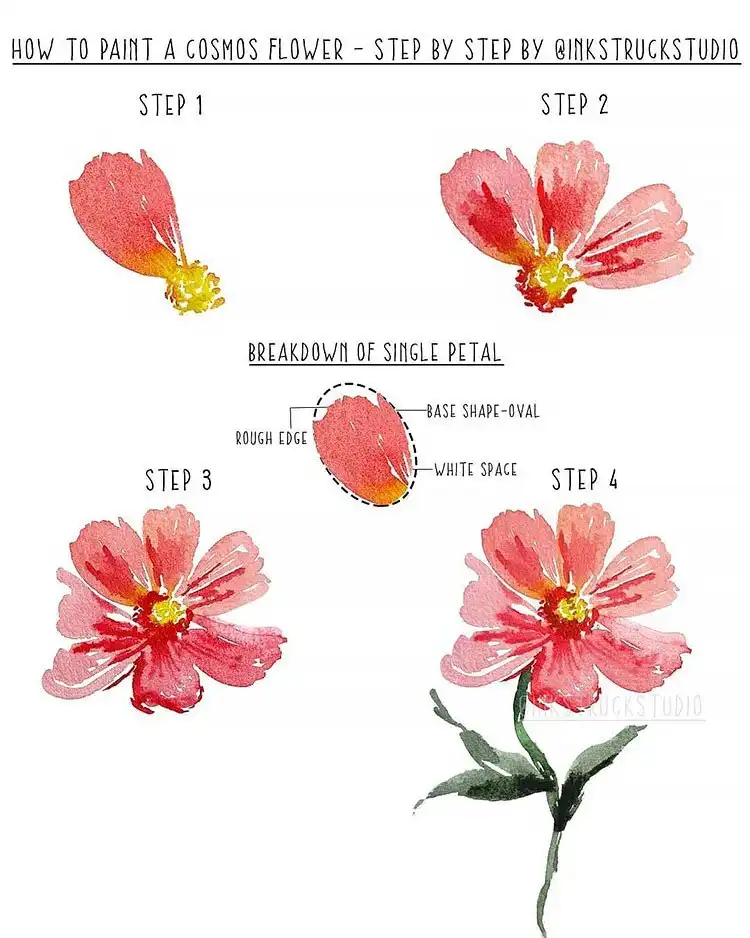
Red Cosmos Flower Tutorial
Master the art of painting a striking red cosmos flower with this detailed tutorial. Focus on understanding the structure of a single petal before assembling the full bloom. Learn to create the vibrant, translucent quality of red petals, paying attention to their subtle curves and delicate edges.
Build up the rich red tones with multiple transparent glazes, allowing the paper’s luminosity to shine through. Use wet-on-dry for crisp petal edges and wet-on-wet for softer blending within the petal. This tutorial refines your skills in botanical accuracy and vibrant color application.
Pastel Flowers
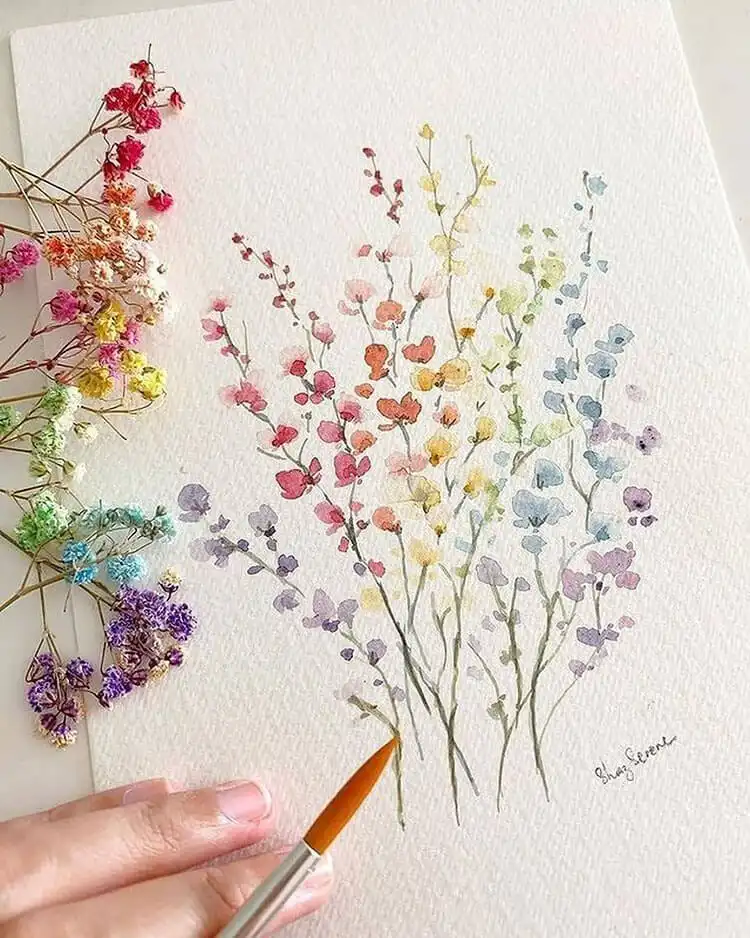
Delight in the soft and dreamy aesthetic of pastel flowers in watercolor. This gorgeous floral painting serves as a wonderful reference for creating delicate, airy blooms. Experiment with gentle pinks, lilacs, light blues, and soft yellows to achieve a harmonious and serene composition.
Employ generous wet-on-wet techniques for blurred edges and a romantic, ethereal feel. Keep your washes light and translucent, layering them to build subtle depth. This style is perfect for creating gifts or decorative pieces that exude gentle charm and tranquility.
Apple Tutorial
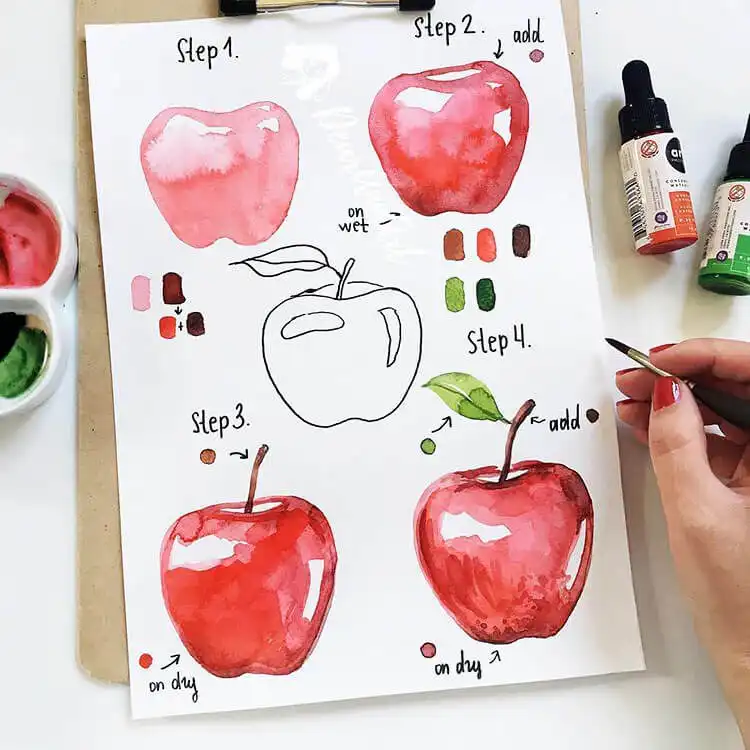
For a straightforward and rewarding watercolor project, try painting a simple apple. This tutorial guides you through creating its round form, smooth skin, and subtle color variations. You can easily adapt the technique to paint a crisp red apple or a tart green Granny Smith.
Use smooth washes to establish the basic shape, then build up layers to add rich color and define shadows and highlights. A touch of yellow or orange can enhance the apple’s glow. This project is excellent for practicing basic form, shading, and blending.
Lighthouse and Seagulls
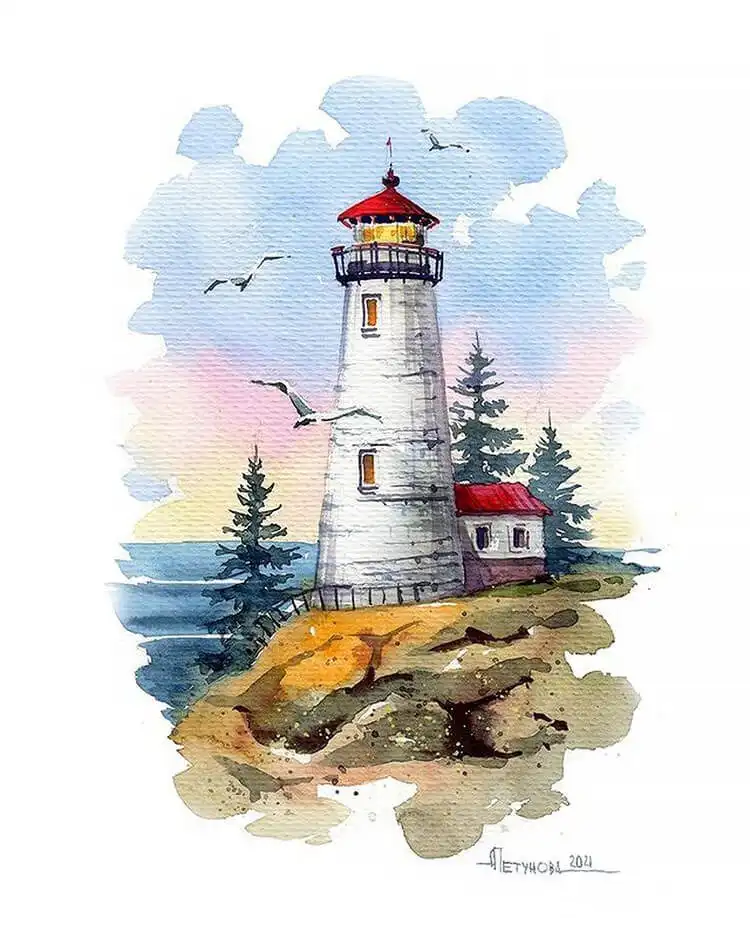
Capture the dramatic beauty of a lighthouse standing tall against the sea, with seagulls circling above. This painting allows you to combine architectural elements with natural scenery, focusing on strong contrasts between the structure and the expansive sky and ocean. The interplay of colors creates a captivating scene.
Use crisp lines for the lighthouse structure and broad washes for the sky and sea. Add small, dynamic strokes for the seagulls to convey movement. This composition is perfect for practicing diverse textures and creating a compelling narrative in your artwork.
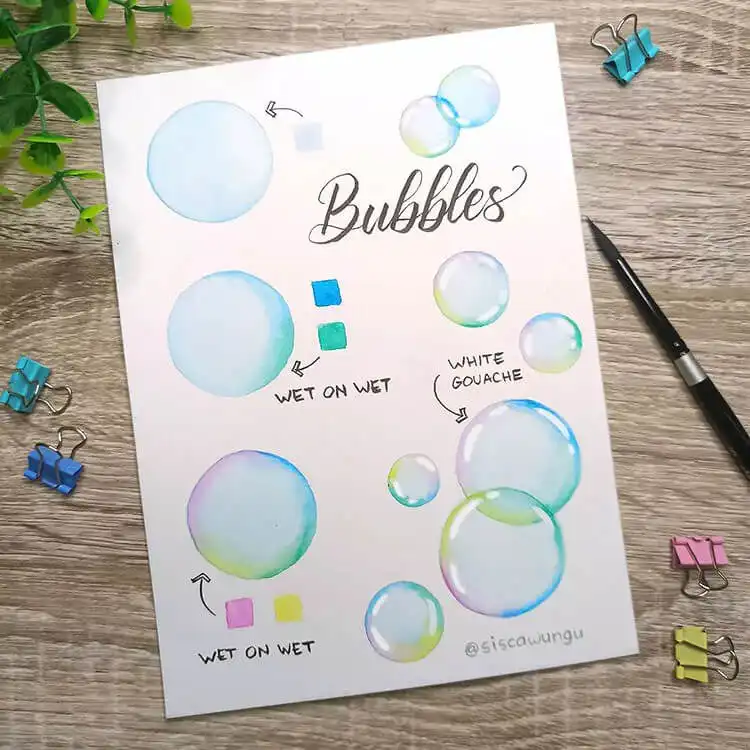
Bubbles Tutorial
Unravel the magic of light and color with a captivating bubbles tutorial. If you’re enchanted by the fleeting nature and iridescent hues of bubbles, this guide will help you capture their ephemeral beauty. Focus on depicting the interplay of light, shadow, and rainbow reflections on their fragile surfaces.
Use delicate washes and subtle color shifts to create the illusion of iridescence, incorporating faint blues, pinks, and yellows. Employ masking fluid to preserve bright highlights, then layer transparent colors around them. This project is a fascinating study in capturing translucency and reflected light.
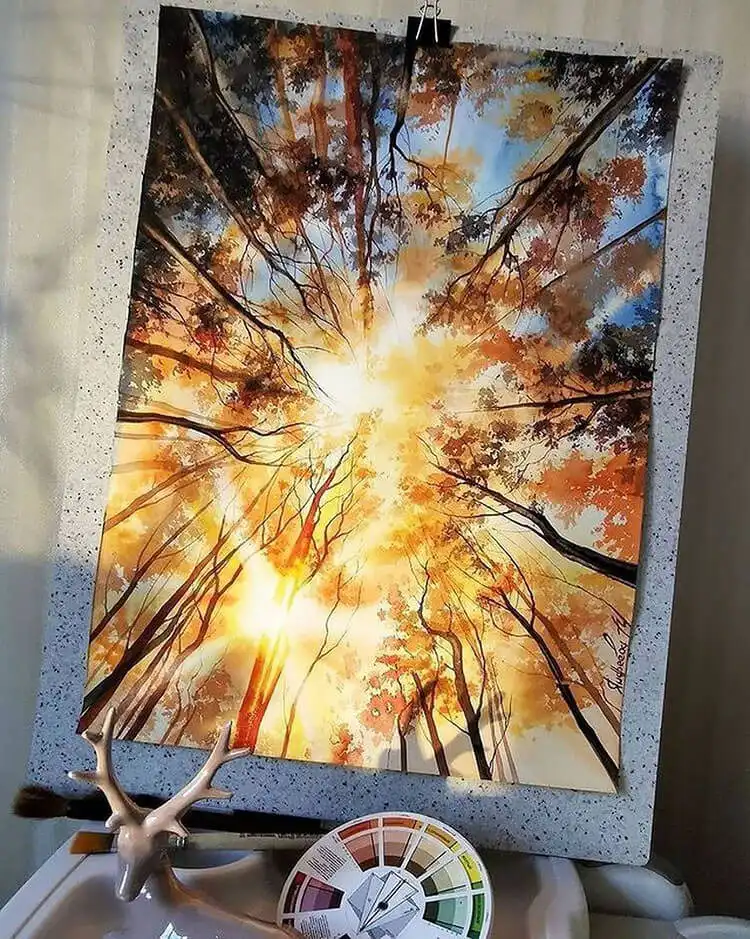
Sky Through the Trees
Immerse yourself in nature’s beauty by painting a bright sky peeking through the silhouette of trees. This piece captures the serene moment when sunlight filters through branches, creating beautiful light patterns. Focus on rendering the sun’s glow and the intricate shapes of bare or leafy branches.
Use vibrant yellows and blues for the sky, creating a soft glow around the sun. Paint the trees as darker silhouettes against the light, using varied brushstrokes for different branch textures. This is a wonderful nature painting that highlights backlighting and atmosphere.
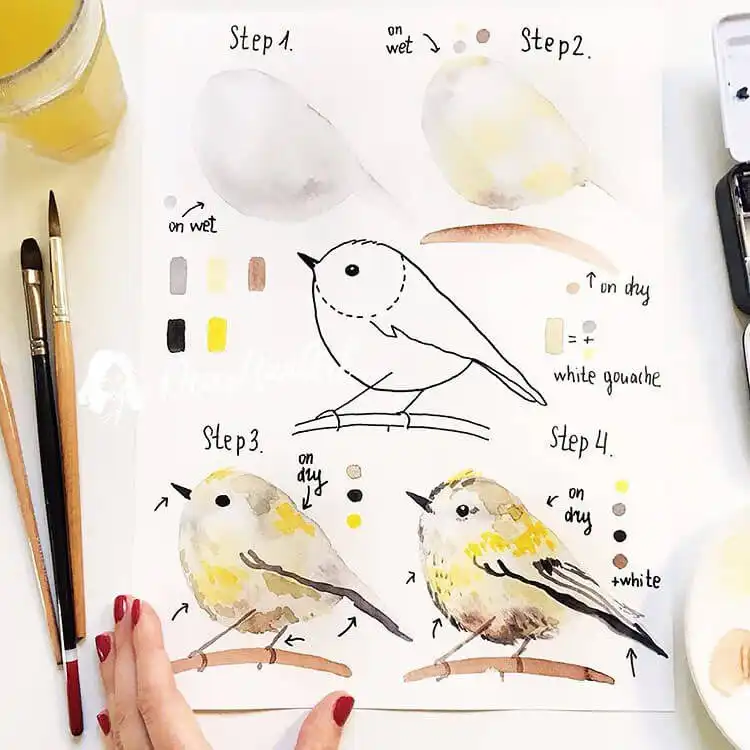
Easy Bird Tutorial
Inspired by backyard visitors, this easy bird tutorial offers a straightforward approach to painting charming avian subjects. If you’re feeling a spark of inspiration, this guide provides a great starting point for creating a delightful bird on a branch. Focus on simple shapes and gentle color blends.
Start with basic bird forms, then gradually add details like eye reflections and feather patterns with controlled washes. Experiment with colors that reflect local birds or use your imagination for fantasy birds. This tutorial builds confidence in depicting wildlife with watercolor.
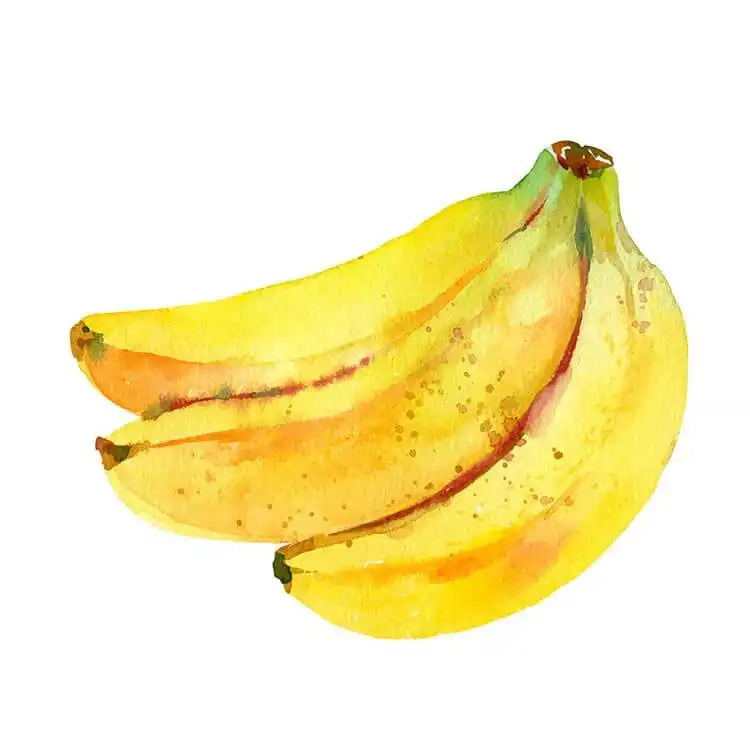
Bananas
Inject fresh inspiration into your artwork by painting watercolor bananas. The warm yellow hues of this fruit make it an ideal subject for experimenting with color tones, shading, and creating a sense of ripeness. Explore the subtle imperfections and curves of a banana bunch.
Layer yellows, ochres, and touches of brown to capture the banana’s skin, focusing on smooth gradients. Use subtle shadows to define their curved forms and suggest texture. This still life subject is excellent for practicing warm color palettes and creating natural forms.
Purple and Blue Clouds
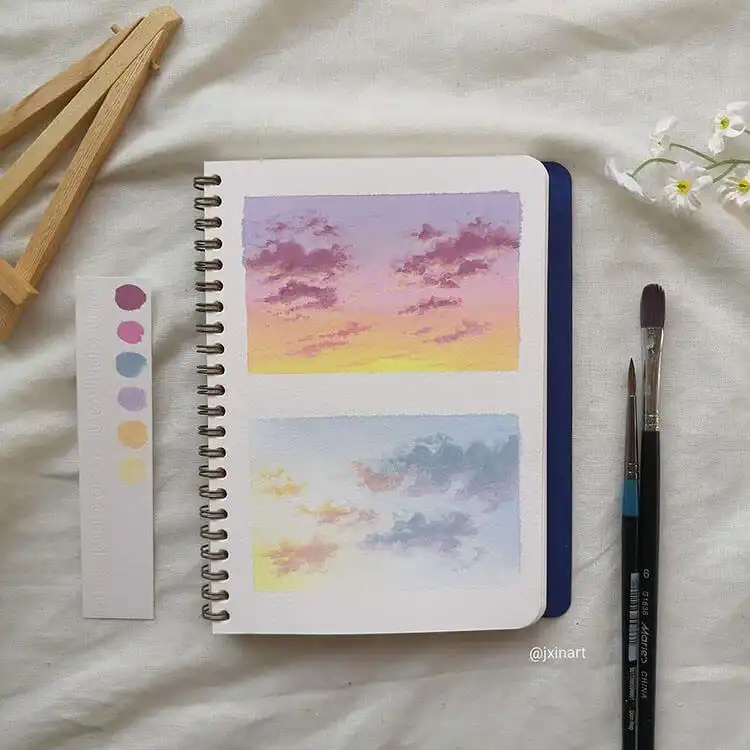
Capture the tranquil beauty of the sky with these stunning purple and blue watercolor clouds. The artist’s skill in rendering the delicate quality of clouds, with calming and serene hues, is truly inspiring. Focus on soft blending and atmospheric effects to recreate this peaceful scene.
Employ wet-on-wet techniques extensively to achieve soft, diffused edges typical of clouds. Allow the colors to bleed and blend naturally for an organic feel. This study in atmospheric painting is perfect for creating serene and meditative artworks.
Pumpkin Tutorial
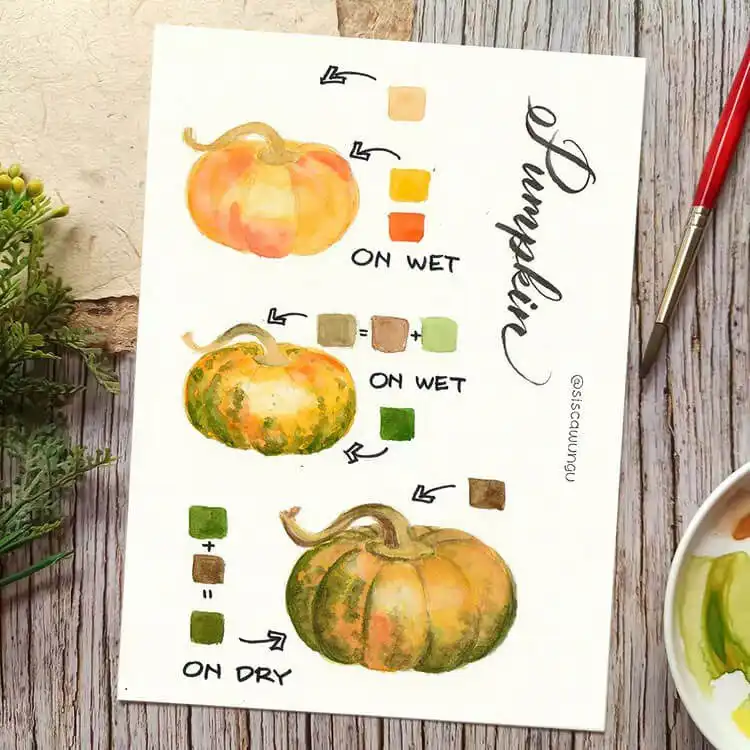
Embrace the spirit of autumn with this watercolor pumpkin tutorial, offering step-by-step guidance to create a realistic painting. Learn to depict its distinct ribbed texture, warm orange tones, and sturdy stem. This project is perfect for seasonal decor or as a skill-building exercise.
Build up the pumpkin’s round form with layered orange and brown washes, using darker tones in the grooves for definition. A dry brush can create subtle skin texture. This tutorial is ideal for practicing form, shadow, and warm color blending for seasonal subjects.
Wisteria Branch Tutorial
Try something truly enchanting with this tutorial for painting a wisteria branch. Focus on capturing the cascading elegance of wisteria blooms, using a beautiful combination of purples and greens. This project emphasizes delicate brushwork and the creation of lush, flowing forms.
Use varying shades of lavender, violet, and deep purple for the flower clusters, applying them in loose, downward strokes to mimic their natural droop. Blend soft greens for the leaves and branches. This tutorial is a magnificent study in botanical movement and vibrant color harmony.
Tree Tutorial
Magdalena provides some of the best step-by-step watercolor tutorials, and this tree tutorial is no exception. Learn how to paint a simple yet detailed tree, focusing on capturing its essence with clear, manageable steps. This is perfect for artists looking to refine their landscape elements.
Begin with basic trunk and branch structures, then layer various greens and browns for realistic foliage and bark textures. Pay attention to light and shadow to give your tree volume. This tutorial is foundational for developing strong landscape painting skills.
Blue Flower
The simplicity and elegance of this blue floral painting make it an ideal quick and easy watercolor project. Focus on creating a striking blue bloom with minimal fuss, emphasizing the natural beauty of the flower through clean lines and vibrant color. It’s perfect for a relaxing artistic session.
Use a dominant shade of blue and vary its intensity to create depth within the petals. Keep the background simple to let the flower stand out. This project is great for practicing bold color application and minimalist floral designs.
House in a Bottle
Delight in the whimsical charm of nature encapsulated in a bottle. This painting features a small wooden house nestled in the woods, with a touch of magic added by a red balloon floating in the background. It’s a creative way to blend elements of landscape and fantasy.
Focus on miniature details for the house and trees, creating a sense of depth within the confined space of the bottle. The subtle background elements add narrative. This imaginative concept is wonderful for storytelling through watercolor.
White Flowers
Admire the serene beauty of white flowers in this simple yet captivating floral painting. The harmonious color palette and expert shading demonstrate how to create impact with subtle tones. Focus on defining form and texture without relying on bold colors.
Use delicate washes of warm grays, pale yellows, or blues to suggest shadows and define the petals of the white flowers. Rely on the white of the paper for highlights. This painting is a masterclass in subtlety and capturing elegance with a restrained palette.
Owl Tea Cup
Discover the absolute cuteness of this owl teacup illustration. Such a delightful piece would make a wonderful print, a charming gift, or a unique handmade card. Focus on combining the playful personality of an owl with the comforting form of a teacup.
Emphasize charming details for the owl’s features and intricate patterns on the teacup. Use soft, inviting colors to enhance its whimsical appeal. This project is fantastic for creating characterful illustrations and personalized stationery.
Bouquet Tutorial
Drawing and painting a beautiful bouquet has never been easier with this five-step tutorial. Learn to arrange various flowers and foliage into a cohesive and visually appealing composition. This guide breaks down the process into simple, manageable stages.
Start with basic shapes for your flowers, then add layers of color and detail to each bloom. Focus on balancing different flower types and greenery to create a lush arrangement. This tutorial is perfect for building confidence in creating complex floral compositions.
Six Cacti
For cacti enthusiasts, painting this beautiful cacti-themed piece promises a fun and engaging artistic experience. Experiment with different shapes, textures, and the addition of colorful flowers. Personalize your artwork by choosing your favorite colors for the blooms and varying the pot designs.
Utilize a range of greens and subtle textural techniques for the cacti bodies. Make the flowers pop with bright, contrasting hues. This project is ideal for exploring variety within a single theme and adding personal touches to your botanical art.
Spooky House
Embrace the atmospheric charm of an old spooky house painting. The creative architecture and the delightful addition of pumpkins scattered around the property give this piece a unique vibe. Focus on dramatic lighting and suggestive details to evoke a sense of mystery.
Use dark, muted tones for the house and vibrant oranges for the pumpkins to create visual interest. Exaggerate angles and shadows for a spooky effect. This painting is fantastic for exploring mood, storytelling, and imaginative architecture in watercolor.
Flower in Jar
Practice realistic painting with this detailed artwork featuring a large flower elegantly placed in a jar filled with stones and water. Use this reference to hone your skills in depicting transparent objects, water reflections, and intricate floral details.
Focus on rendering the glass jar with subtle reflections and distortions, showing the elements within. Paint the flower with precision, capturing its delicate structure. This project is an excellent study in still life composition and rendering varied materials.
Chameleon
Explore the fascinating world of chameleons by painting this unique creature. The artist’s choice of an imaginative color palette adds a vibrant and playful touch to this awesome subject. Chameleons offer fantastic opportunities for color exploration and texture.
Experiment with blending unexpected colors for its skin, creating a kaleidoscopic effect. Pay attention to its unique eye and textured skin. This creature is a wonderful subject for pushing creative boundaries and exploring dynamic color combinations.
Realistic Red Flower
Admire the masterful shading and blending evident in this beautiful realistic red flower watercolor painting. This piece is a testament to the power of watercolor in achieving lifelike detail. Focus on capturing the flower’s depth and vibrant intensity.
Build up rich red tones with successive glazes, carefully blending shadows and highlights to create three-dimensional form. Pay attention to the subtle variations in color within the petals. This painting is a superb example for studying advanced shading techniques in floral art.
Realistic Leaf
Demonstrate the realism achievable with watercolor by painting a detailed, lifelike leaf. Using a real leaf as reference, as this artist did, is incredibly helpful for capturing authentic color, texture, and vein patterns. Focus on intricate details and natural imperfections.
Observe the subtle color shifts, light reflections, and vein structures on your reference leaf. Use fine brushes for veins and varied green washes for the blade. This project is an excellent exercise in observational painting and botanical accuracy.
White Lighthouse
Lighthouses remain a favorite subject for watercolor painters, and this white lighthouse painting serves as an excellent reference. With a lone gull flying nearby, it offers a classic maritime scene. Focus on conveying the stoic beauty of the lighthouse against the open sky and sea.
Use clean lines for the lighthouse structure and broad, atmospheric washes for the surrounding environment. Subtle shading will give the white structure dimension. This painting is ideal for capturing coastal tranquility and architectural elements in a landscape.
Sea Turtle
Turtle lovers will adore painting this charming little sea turtle. If you have a friend who cherishes these marine creatures, this painting would make a thoughtful and loving gift. Focus on capturing its gentle expression and the intricate patterns of its shell.
Use greens, blues, and browns for the shell, employing textural techniques to suggest its scutes. Paint the body with soft, flowing washes. This subject is perfect for depicting serene underwater life and creating endearing animal portraits.
Real Flower Reference
Elevate your floral art by using a real flower as your direct reference. Finding a bloom in your backyard to paint adds a deeply personal and authentic feel to your artwork. This practice encourages keen observation and translates natural beauty directly to your canvas.
Study the flower’s form, colors, shadows, and how light interacts with its petals. This direct observation helps in creating unique, expressive, and realistic floral paintings. It’s the best way to develop an intuitive understanding of botanical subjects.
Horse
Horses are truly majestic creatures, and this artist has captured their beauty wonderfully in watercolor. If you enjoy painting equines, this artwork provides an excellent watercolor reference. Focus on rendering their powerful anatomy and flowing manes.
Use broad strokes for the body and finer lines for details like the mane and tail. Pay attention to muscle definition and the play of light on their coat. This subject is ideal for practicing animal anatomy and conveying grace and strength.
Colorful Flowers
Fall in love with the bright and vibrant appeal of this colorful flower painting, reminiscent of carnations. Such a cheerful piece would make a fantastic gift for a friend or family member. Focus on an explosion of color and dynamic petal shapes.
Employ a wide range of vivid hues, layering them to create depth and intensity in each bloom. Use energetic brushstrokes to suggest the fullness of the petals. This style is perfect for creating joyful, expressive floral art that brightens any space.
Mushroom Tutorial
Mushrooms have gained significant popularity as an art subject recently, and this tutorial will guide you through capturing their unique charm. Learn to depict the cap’s shade variations, delicate gills, and sturdy stems, focusing on their organic textures and forms.
Use earthy tones—reds, browns, creams—and practice subtle shading to create the domed cap and intricate gills. A dry brush can enhance stem texture. This project is a wonderful way to explore natural forms and detailed botanical elements.
House Inside a Snow Globe
Capture the enchanting magic of winter with this painting of a house nestled inside a snow globe. Use bright colors and whimsical details, such as glittery snowflakes, to create a truly captivating and festive scene. It’s a miniature world brought to life.
Focus on creating the illusion of glass for the globe and tiny, detailed elements within. Use masking fluid for snowflakes, then add delicate washes around them. This project is ideal for imaginative scenes and festive holiday art.
Foil Balloon Tutorial
Discover the secrets to creating a stunning 3D effect on a balloon’s surface with this foil balloon tutorial. Learn to blend metallic sheen, light, and shadow to give your watercolor balloon a realistic, reflective quality. This is a great exercise in rendering reflective surfaces.
Use sharp contrasts between light and dark, and blend subtle gradations of color to mimic the metallic surface. Incorporate highlights and reflections to create depth. For festive subjects, try painting Christmas Baubles, focusing on their reflective surfaces and intricate designs.
Cherry Cheesecake Tutorial
Follow this simple four-step tutorial to master drawing a mouth-watering watercolor slice of cherry cheesecake. Focus on rendering the creamy texture of the cheesecake, the rich red of the cherry topping, and the crumbly crust. It’s a delightful challenge for food illustrators.
Use smooth washes for the cheesecake, dabs of red for the cherries, and textured strokes for the crust. Emphasize highlights and shadows to give it a realistic, tempting appearance. This tutorial is perfect for practicing delicious-looking dessert art.
Simple Pumpkin
A pumpkin is a quintessential fall painting subject, offering a wonderful opportunity to create an interesting composition. Focus on its distinctive shape and how it reflects light, bringing out its warm, inviting essence. This project is both classic and rewarding.
Layer oranges, yellows, and browns to build up the pumpkin’s volume, paying attention to the subtle color shifts on its curved surface. Define its ribs with careful shading. This simple subject allows for great practice in form and light interaction.
House by the Lake
Adore the unique style of this house by the lake painting. The addition of a colorful landscape truly makes this artwork stand out nicely. Focus on integrating architectural elements seamlessly into a vibrant natural setting, creating a harmonious scene.
Use bold, expressive colors for the landscape—trees, water, sky—and paint the house with complementary tones. Reflections in the lake add depth and interest. This piece is fantastic for combining structured elements with fluid, natural surroundings.
Avocado Tutorial
A tutorial on avocados? Yes, please! This not-so-basic fruit is more than a culinary sensation; it’s a work of art waiting to be painted. With its creamy flesh and rich green skin, mastering your blending techniques is key to capturing its unique beauty.
Focus on the smooth transition from dark green skin to the pale green and yellow flesh, with the central pit as a focal point. Use soft, gradual blends to achieve the creamy texture. This fruit offers a fantastic challenge for subtle color gradients and realistic texture.
We hope this expansive collection of watercolor painting ideas has ignited your artistic spirit! From intricate florals to serene landscapes, there’s a world of color and creativity waiting for your brush. Don’t forget to save your favorite ideas on Pinterest, share this guide with fellow art lovers, and leave a comment below with your next watercolor project inspiration! Explore more art materials and tools.