15 Simple Watercolor Flower Painting Ideas for Beginners to Master
Embark on a delightful artistic journey with these 15 simple watercolor flower painting ideas for beginners. Watercolor painting offers a unique blend of transparency and vibrancy, making it an ideal medium for capturing the delicate beauty of flora. This comprehensive collection will guide you through various easy techniques and inspiring subjects, perfect for developing your skills and nurturing your creative spirit. To ensure you have everything you need for your artistic journey, make sure to grab essential craft supplies.
Whether you’re new to the brush or looking to refine your botanical art, these projects provide accessible entry points into the world of watercolor. From lush leaves to graceful blossoms, you’ll discover how to layer colors, create soft gradients, and add intricate details. For more floral inspiration, consider exploring a Wisteria Branch Watercolor Flower and Tree Tutorial to expand your repertoire beyond individual flowers, or delve into Wild at Home: How to Style and Care for Beautiful Plants by Hilton Carter for endless ideas.
1. Watercolor Oak Tree
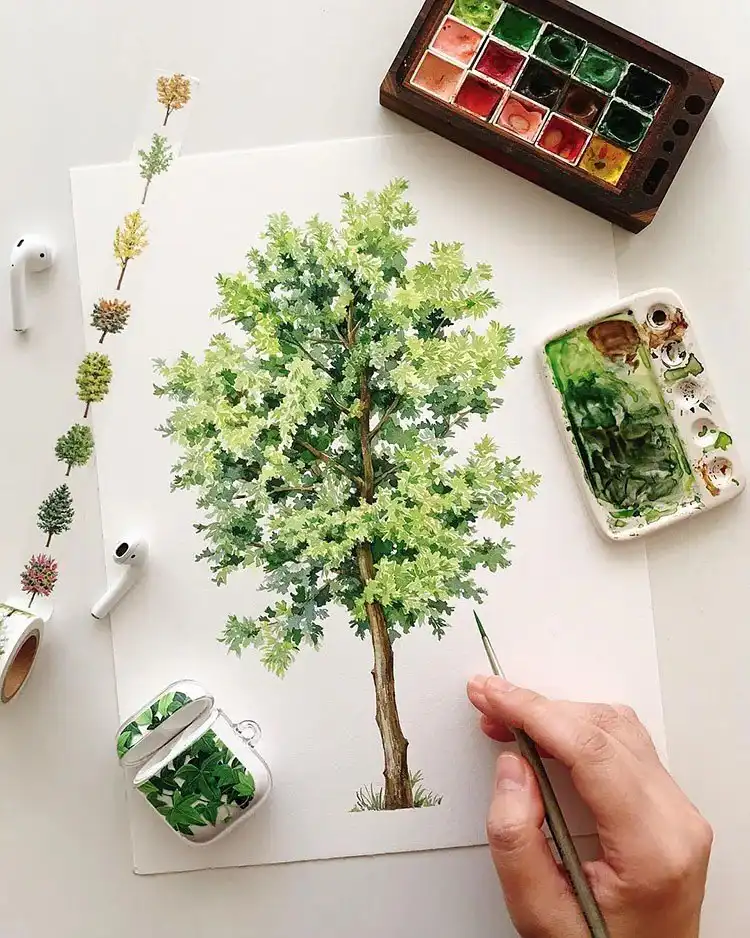
Delve into the majesty of nature by painting a watercolor oak tree, a fantastic subject for exploring depth and texture. Focus on layering various shades of green—such as Sap Green, Olive Green, and a touch of Indigo—to create a rich, multi-dimensional canopy. Use a wet-on-wet technique for soft, flowing leaves and then add darker, more defined strokes for intricate branch details.
Experiment with dry brush techniques for the bark, using warm browns like Burnt Umber and Sepia to capture its rough, textured surface. This approach allows you to build up realism without overwhelming complexity, making it an excellent exercise for controlling water and pigment. Remember, even simple shapes can become profound with careful color blending.
2. Lavender Painting
Capture the serene beauty of a lavender sprig with this charming watercolor painting idea. Begin by sketching the long, slender stems and delicate flower heads, then use soft washes of violet and indigo for the petals. Allow the paint to bloom on damp paper for a gentle, ethereal effect, replicating the plant’s natural softness.
To add depth, introduce subtle shadows with a slightly darker purple mix and fine lines for individual flower buds. Don’t forget to incorporate shades of green for the leaves and stem, ensuring a harmonious balance. This project emphasizes delicate brushwork and thoughtful color blending, perfect for enhancing your precision.
3. Willow Tree
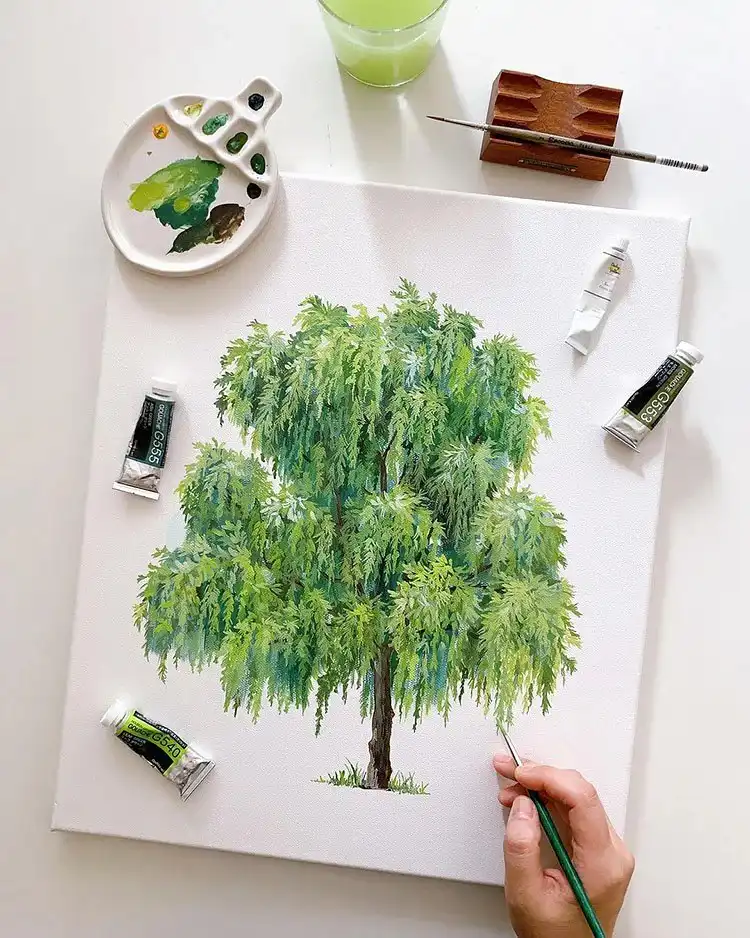
Embrace the elegant, drooping silhouette of a willow tree in your next watercolor piece. This subject provides a wonderful opportunity to practice flowing lines and soft, atmospheric effects. Use a variety of greens, from bright spring greens to muted olive tones, to depict the cascading leaves, allowing them to gently bleed into each other.
Focus on creating a sense of movement, letting your brushstrokes mimic the natural sway of the branches. For the trunk and main branches, employ muted browns and grays, building up texture with layered washes. The key here is to capture the tree’s graceful form with a light touch, evoking a peaceful, contemplative scene.
4. How to Paint a Tree
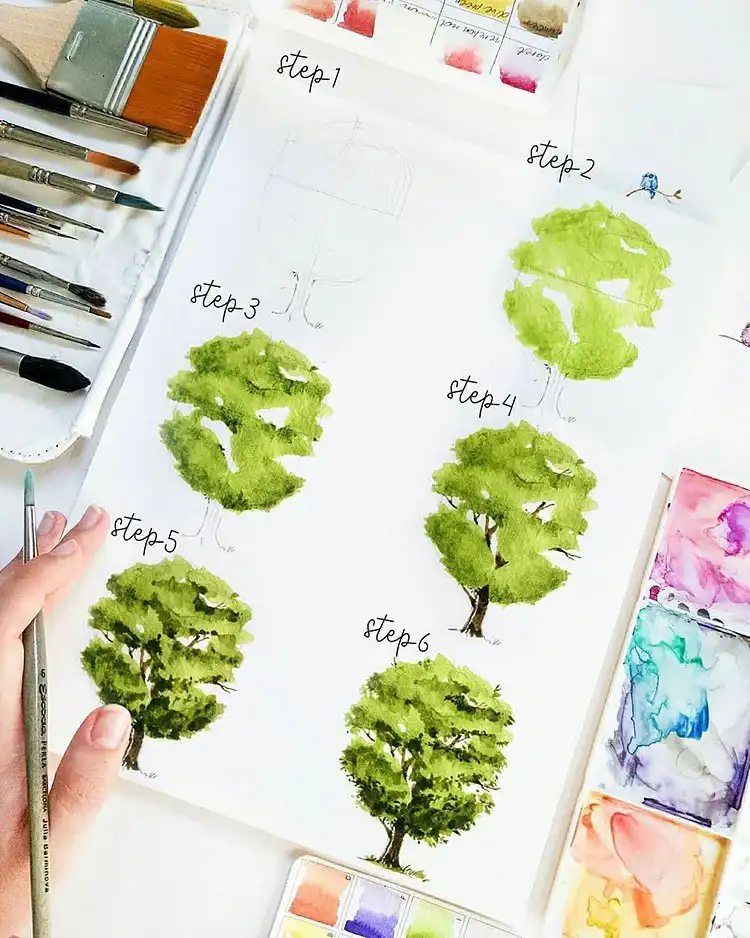
This tutorial offers a fundamental approach to painting a simple yet detailed tree, breaking down the process into manageable steps. Start with the basic structure of the trunk and branches using light washes of brown, then gradually build up the foliage. Learn to use different brush sizes to create varied leaf shapes and textures, from broad strokes to tiny dots.
Understanding light and shadow is crucial here; consider where your light source is coming from and apply darker greens and blues to shaded areas for depth. This foundational exercise is excellent for mastering the interplay of colors and achieving realistic tree forms. For more inspiration on sketching the natural world, check out these Beautiful Tree Drawing Ideas for Inspiration.

5. Prayer Plant Leaves
Explore the intricate patterns and vibrant colors of prayer plant leaves in a striking watercolor composition. These leaves feature unique vein patterns and contrasting color patches, making them a fascinating subject for detailed work. Use a fine brush to carefully delineate the veins and then fill in the different sections with varying shades of green, pink, and red.
Emphasize the plant’s distinctive markings by using masking fluid or carefully painting around lighter areas to preserve their brilliance. This project is perfect for developing precision and control, allowing you to appreciate the subtle beauty of botanical details. The rich visual texture created will make your painting truly stand out.
6. How to Paint a Palm Tree
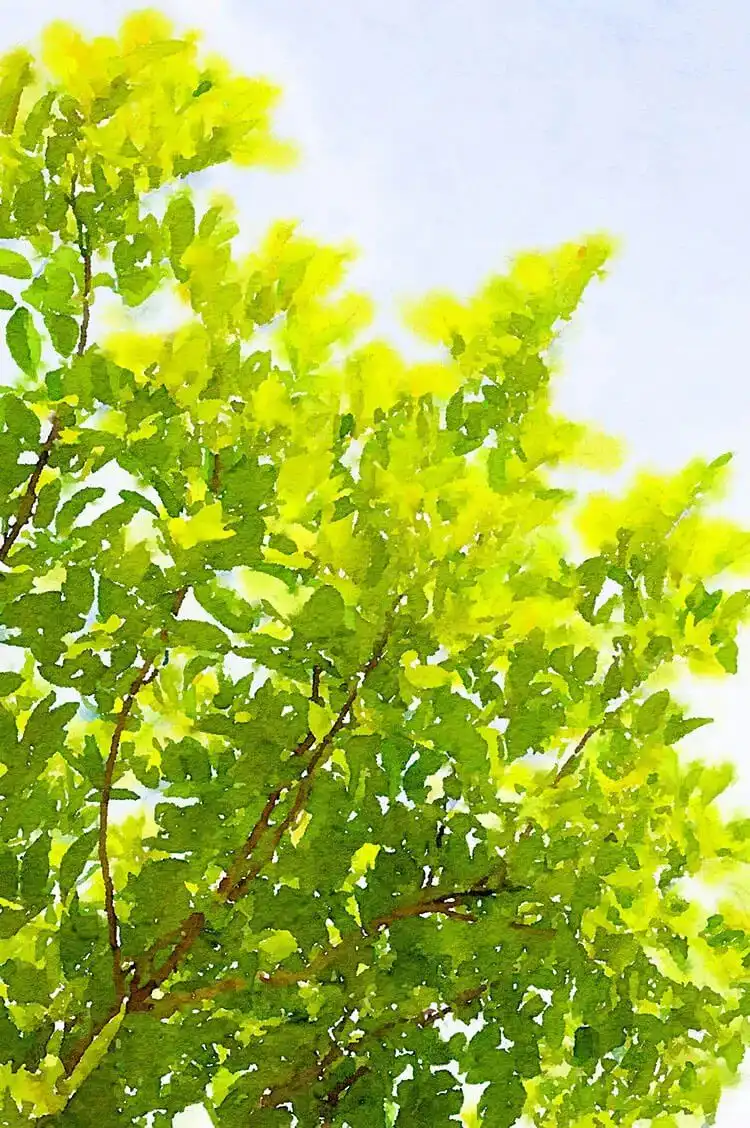
Master the distinctive shape and texture of a palm tree with this easy-to-follow watercolor tutorial. Begin by painting the tall, slender trunk with dry brush strokes of brown and gray to mimic its fibrous texture. For the fronds, use sweeping, curved strokes with various shades of green, fanning out from the top of the trunk.
Focus on capturing the individual segments of the fronds, allowing for some white space to suggest light filtering through. Adding a touch of yellow or blue to your greens can create beautiful variations, reflecting tropical light. This project is fantastic for practicing dynamic brush movements and creating a sense of exotic flair.
7. Cute Plant Doodles
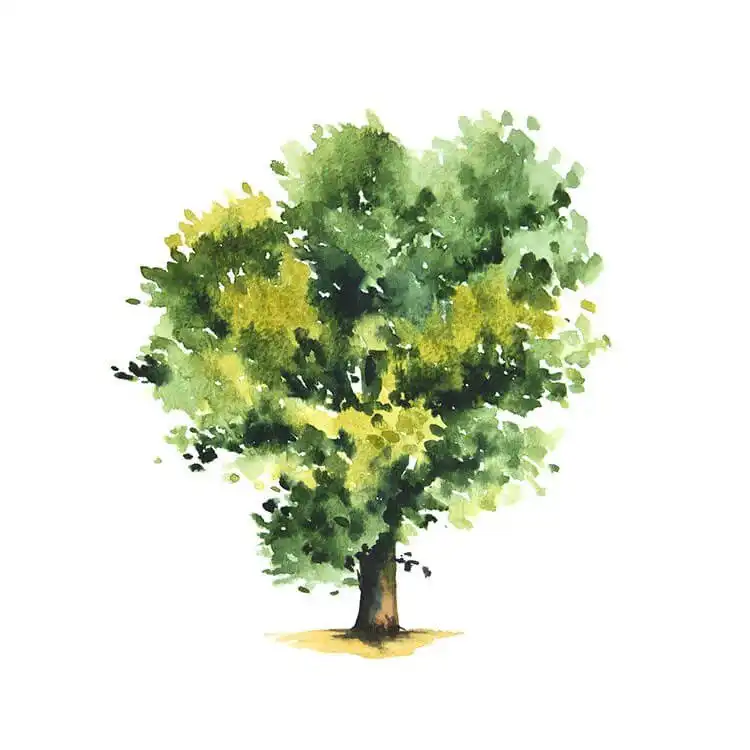
For those just beginning their watercolor journey, cute plant doodles offer a playful and forgiving starting point. These simplified botanical forms allow you to experiment freely with color and shape without the pressure of perfect realism. Think small potted plants, simple leaves, or abstract floral motifs, all rendered with light, expressive washes.
Utilize bright, cheerful colors to infuse your doodles with a sense of fun and whimsy. This approach is excellent for building confidence and understanding how different pigments interact on paper. Doodling helps you relax into the medium and discover your personal style, making learning an enjoyable process.
8. Baobab Trees and Animals
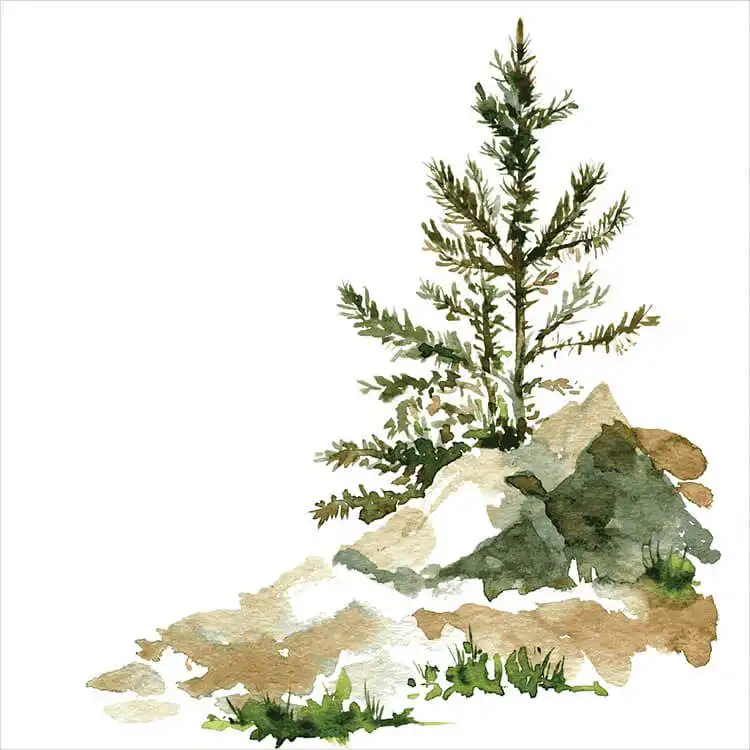
Capture the iconic silhouette of baobab trees against a dreamy African savannah backdrop, complemented by graceful animals. This scene offers an opportunity to work with muted, earthy tones for a harmonious landscape. Use soft washes of ochre, sienna, and sepia for the vast plains and a blend of grays and blues for the distant sky.
The baobab trees themselves can be rendered with strong, dark silhouettes against the lighter background, creating a dramatic contrast. Integrate subtle animal figures like elephants or giraffes with simple shapes and understated colors, allowing them to blend into the vast landscape. This composition emphasizes atmosphere and storytelling.
9. Tall Plant in Pot
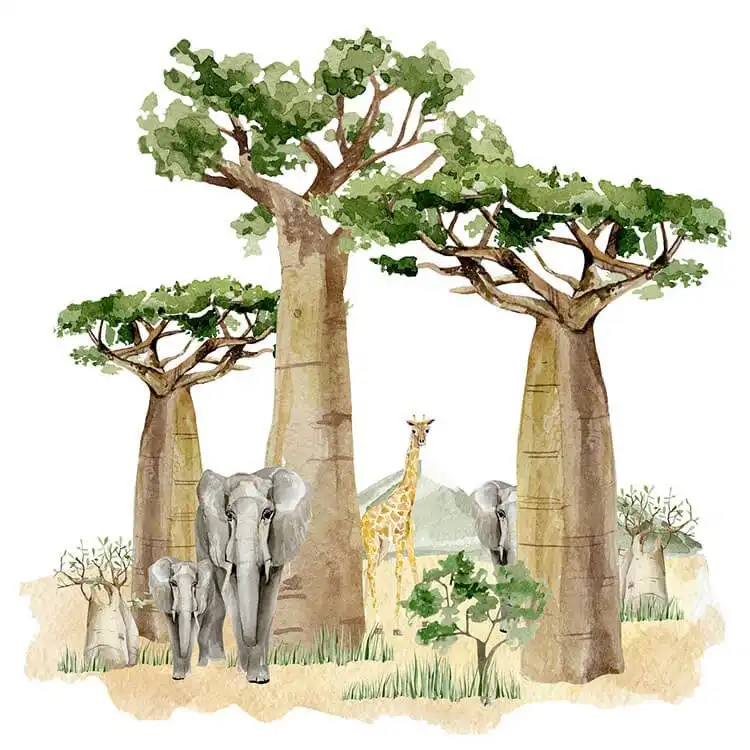
This simple painting of a tall plant in a pot is an excellent project for beginners, focusing on basic shapes and color blocking. Start by painting the pot with a solid wash of a complementary color, like terracotta orange or deep blue. Then, focus on the plant’s upright form, using vibrant greens for the foliage.
Experiment with different shades of green to add subtle variation and depth to the leaves. Consider how light hits the plant, creating highlights and shadows to give it a three-dimensional feel. This exercise strengthens your ability to render objects accurately and create balance within a simple composition.
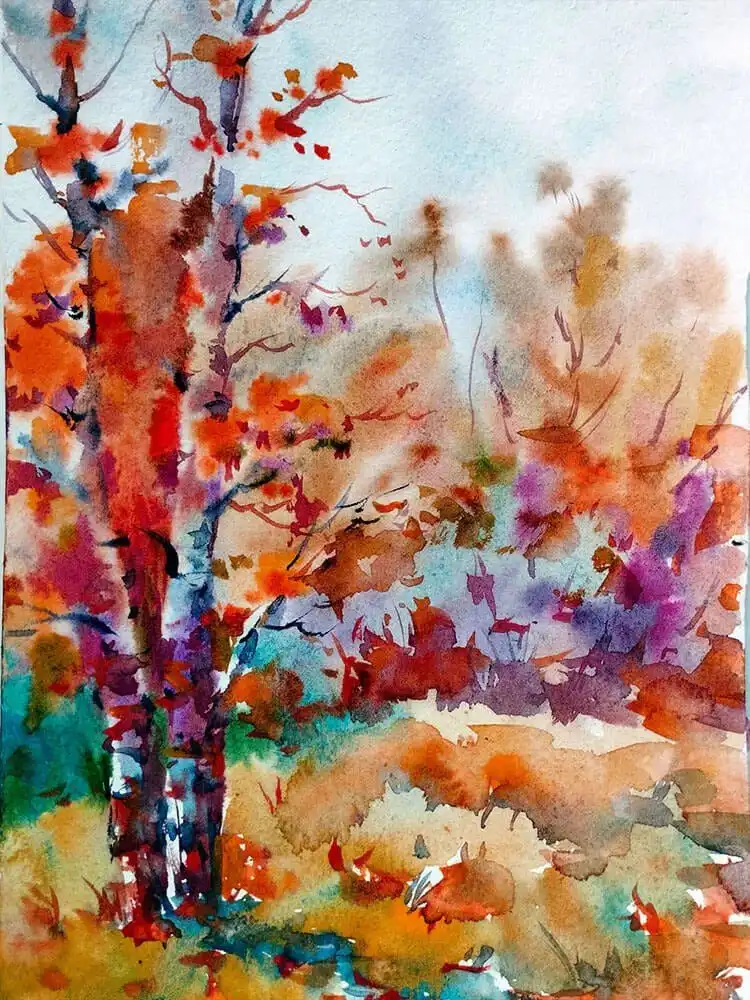
10. Tree with Vibrant Green Leaves
Bring a tree to life with lush, vibrant green leaves that practically glow on the page. This painting emphasizes the use of fresh, bright greens to convey vitality and health. Layer various shades, from spring green to emerald, allowing them to merge naturally for a rich, organic effect that mimics abundant foliage.
Consider the structure of the branches beneath, allowing glimpses of bark to show through the leaves. You can introduce a few touches of yellow for sunlit areas or a hint of blue in the shadows to add further depth. This project is wonderful for celebrating the beauty of nature’s abundant palette and practicing lively brushwork.

11. How to Paint a Snake Plant
Learn to paint the distinctive, architectural forms of a snake plant with this focused tutorial. These plants are characterized by their tall, upright, sword-like leaves with unique patterns. Begin by outlining the basic shape of each leaf, then use a variegated wash of dark green, yellow-green, and a hint of gray to capture their striped appearance.
Pay close attention to the subtle texture and the sharp edges of the leaves, using clean brushstrokes. You can also include the pot and plant stand, adding grounding elements to your composition. This exercise in precision and pattern-making is perfect for developing your eye for detail and creating realistic botanical art.
12. Watercolor Oak Tree
Revisit the classic oak tree with a focus on capturing its robust form and intricate leaf patterns. This rendition encourages a slightly different approach, perhaps with a greater emphasis on the individual leaves or the play of dappled light. Use a mix of greens and browns, building up layers to create a sense of the tree’s age and strength.
Experiment with creating texture on the trunk using a dry brush technique or by lifting paint to create lighter areas. Think about different oak varieties like Northern Red Oak or White Oak, each offering unique characteristics to inspire your brush. This repetition strengthens your understanding of tree anatomy and watercolor effects.
13. Plants Sitting on a Plant Stand
Transform your own plant stand into a delightful painting subject, capturing the arrangement of various plants in different pots. This idea allows for a personal touch, as you can paint your favorite indoor greenery. Focus on the interplay of different leaf shapes, sizes, and colors, creating a harmonious group portrait of your botanicals.
Pay attention to the structure of the plant stand itself, rendering its materials and shadows to ground the composition. This project is excellent for practicing still life techniques, composing multiple elements, and adding thoughtful details like unique pot designs. It’s a wonderful way to immortalize your indoor garden.
14. Pine Trees and Rocks
Immerse yourself in the serene beauty of a landscape featuring pine trees and rugged rocks. Pine trees, with their dark, needle-like foliage, offer a contrast to the often softer greens of deciduous trees. Use deep greens like Pthalo Green and Sap Green, applied with a dabbling motion, to create the dense clusters of needles.
For the rocks, use grays, blues, and browns, applying washes and then adding texture with darker dry brush strokes. The interplay of the towering pines against solid rock formations creates a strong, natural composition. This painting is perfect for exploring landscape elements and creating a moody, atmospheric scene.
15. Fiddle Leaf Fig Painting
Bring the trendy appeal of a fiddle leaf fig into your home through a beautiful watercolor painting. These plants are beloved for their large, violin-shaped leaves. Focus on rendering the prominent veins and the glossy texture of each leaf using varying shades of rich green, from deep forest green to a brighter olive.
Build up the leaves with confident, broad strokes, allowing for slight imperfections to mimic natural growth. You can even include a stylish pot to complete the aesthetic. This project allows you to celebrate modern botanical trends in an artistic form, creating a maintenance-free plant portrait that adds elegance to any space.
A well-organized workspace can also enhance your painting experience. Consider having a self-healing cutting mat to protect your surfaces and assist with trimming your finished pieces.
Watercolor painting is a wonderfully expressive medium, and these simple ideas offer a fantastic starting point for beginners. Remember to save your favorite ideas on Pinterest to inspire future sessions, share this article with a friend who loves to paint, and leave a comment below with your own favorite watercolor flower and plant ideas!