27 Tutorials for Creating Stunning Watercolor Art: A Step-by-Step Guide
Bringing out your inner artist with watercolor doesn’t have to be intimidating, and these 27 tutorials for creating stunning watercolor art are here to prove it. Dive into the fluid world of watercolors and paint something truly fun and rewarding, whether you’re a beginner or looking to refine your skills. Each project offers a unique opportunity to explore color, light, and texture, encouraging your creative expression. To enhance your artistic journey, ensure you have essential craft supplies.
The watercolor tutorials presented here have all been masterfully created by artist Sisca Wungu. With her profound expertise and deep love for watercolor, Sisca excels at capturing the delicate beauty of everyday objects, transforming them into captivating works of art. Gather your art supplies and get ready to explore a diverse range of subjects and discover your next favorite project, perhaps even sparking Beautiful Aesthetic Drawing Ideas for your sketchbook. You’ll find techniques applicable to drawing various subjects from still life to nature.
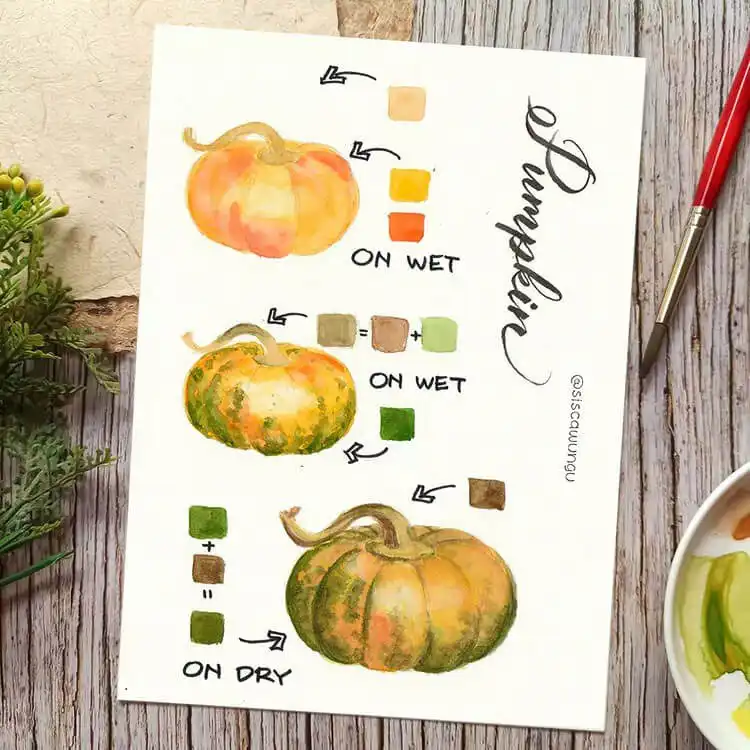
1. How to Paint a Pumpkin
This beginner-friendly watercolor tutorial offers comprehensive step-by-step guidance on how to create a wonderfully realistic pumpkin painting. Focus on building warm, earthy tones with layers of oranges, browns, and subtle greens, capturing the pumpkin’s distinctive ridges and rounded form. Experiment with wet-on-wet techniques for soft blends and dry brush for texture, or add delicate highlights with dry pastels.
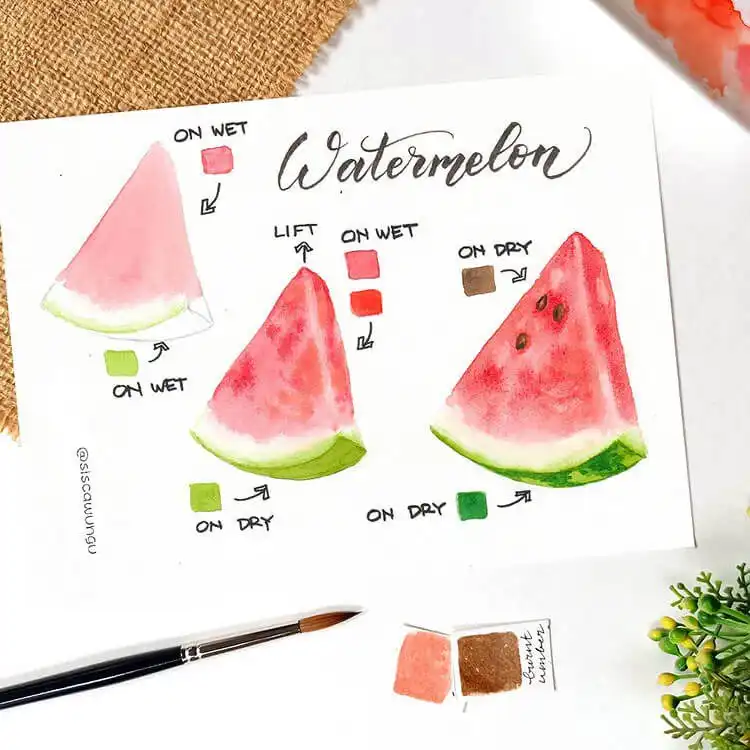
2. How to Paint Watermelon
Watercolor is exceptionally well-suited for capturing the irresistible juicy look of a slice of watermelon. Begin by laying a very light green base for the rind, then gradually build layers of darker greens, adding subtle stripes and variations. For the fruit, use vibrant pinks or reds, leaving strategic white highlights to simulate that fresh, glistening texture.
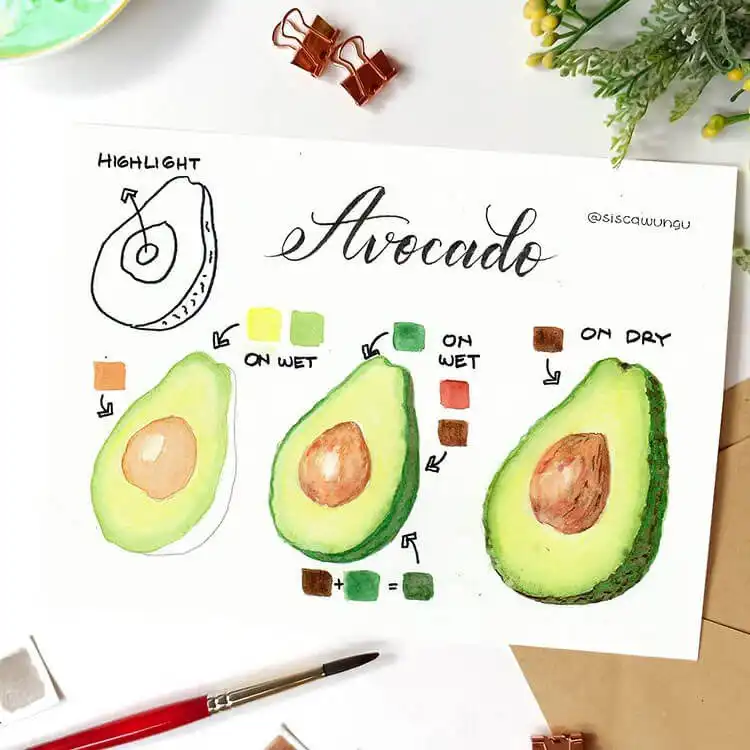
3. How to Paint an Avocado
Painting an avocado might seem simple, but its unique textures offer a fantastic opportunity to practice blending and layering. Focus on the smooth, creamy light green of the flesh transitioning to the richer, darker greens of the skin. Use subtle washes to create depth and dimension, making the pit a focal point with warm brown tones and a slight shadow.
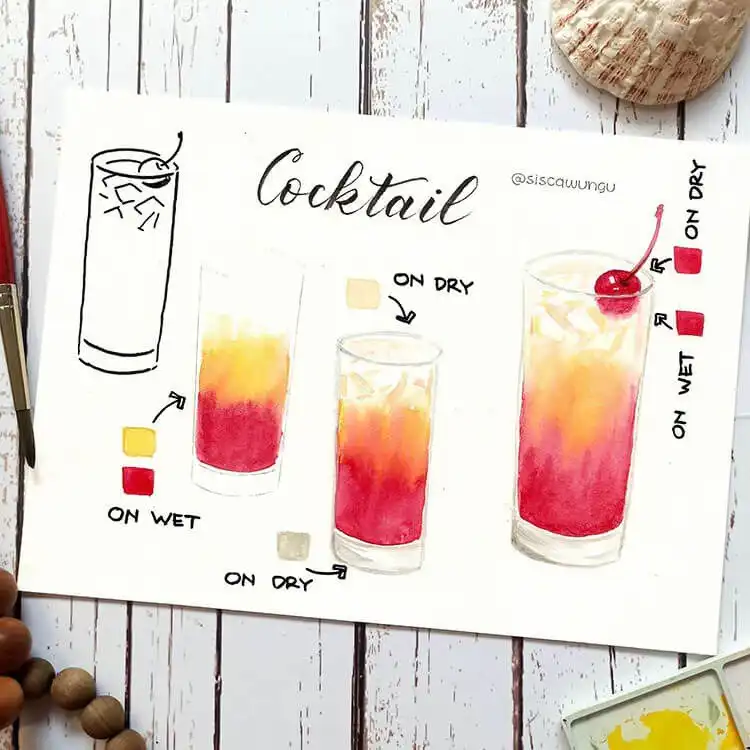
4. How to Paint a Cocktail
Capture the refreshing essence of a favorite cocktail with this scenic watercolor tutorial. Learn to paint the transparent quality of glass, focusing on how light refracts through it, and the vibrant colors of the drink itself. Pay attention to details like ice cubes, mint leaves, or citrus slices, using glazes to build up rich, inviting colors.
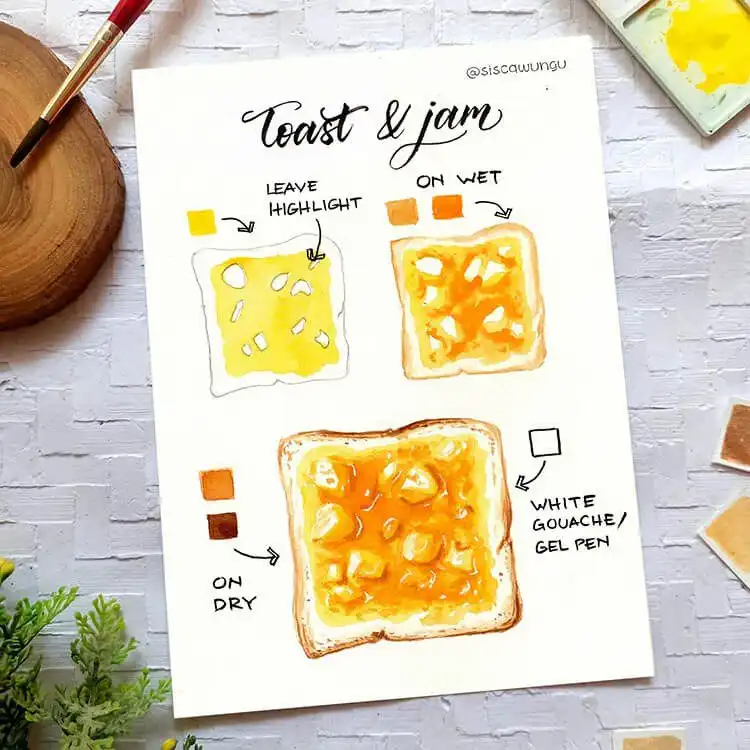
5. How to Paint Toast and Jam
This tutorial guides you through creating a delightful watercolor of toast, perhaps with a dollop of glistening jam. The key is in subtle color changes: use warm, golden browns with hints of yellow for the perfectly toasted bread. For the jam, aim for rich, translucent reds or purples, adding a touch of white highlight to convey its sticky sweetness.
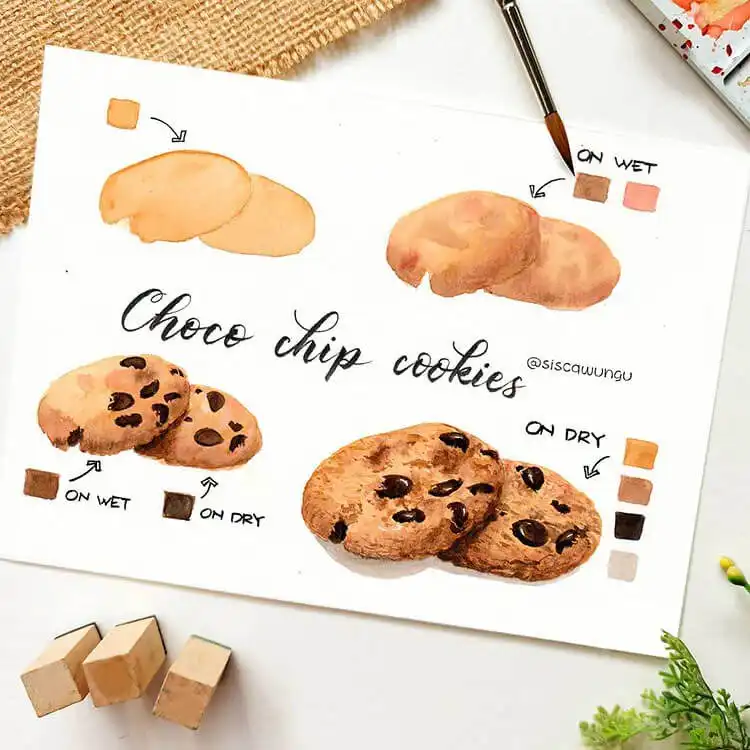
6. How to Paint Chocolate Chip Cookies
Render a mouth-watering painting of chocolate chip cookies, concentrating on their varied textures and inviting warmth. Focus on capturing the slight crispness of the cookie edges with golden-brown hues and the melted, glossy appearance of the chocolate chips. Consider your light source to add realistic shadows and highlights, making them appear freshly baked.
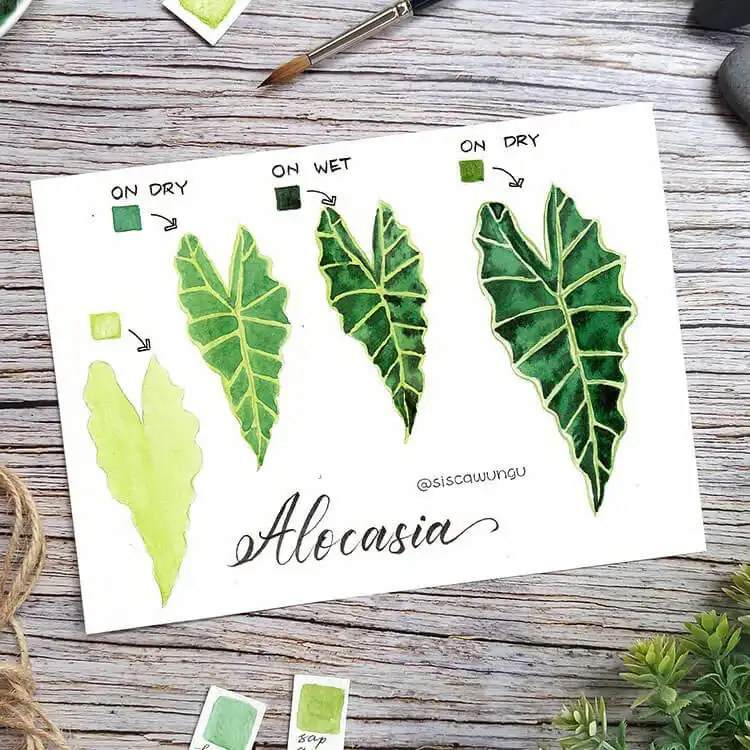
7. How to Paint an Alocasia
Alocasia plants boast dramatic, striking foliage that makes them an ideal subject for watercolor painting. Their intricate patterns, deep veins, and often glossy leaves provide a captivating challenge. Use various shades of green, playing with light and shadow to bring out the unique sculptural quality of each leaf, highlighting the contrasting undersides.
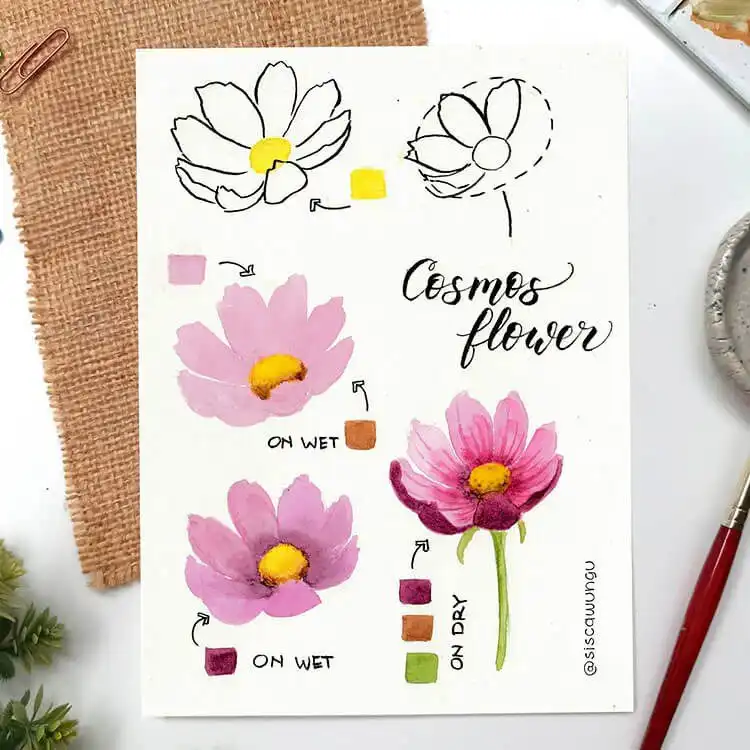
8. How to Paint a Cosmos Flower
Cosmos flowers are wonderfully suited for watercolor with their delicate, graceful petals and vibrant colors. This tutorial offers a step-by-step approach to capturing their signature simplicity and charm. Focus on soft washes for the petals, letting colors bleed slightly, and add fine details for the central disk to bring the flower to life.
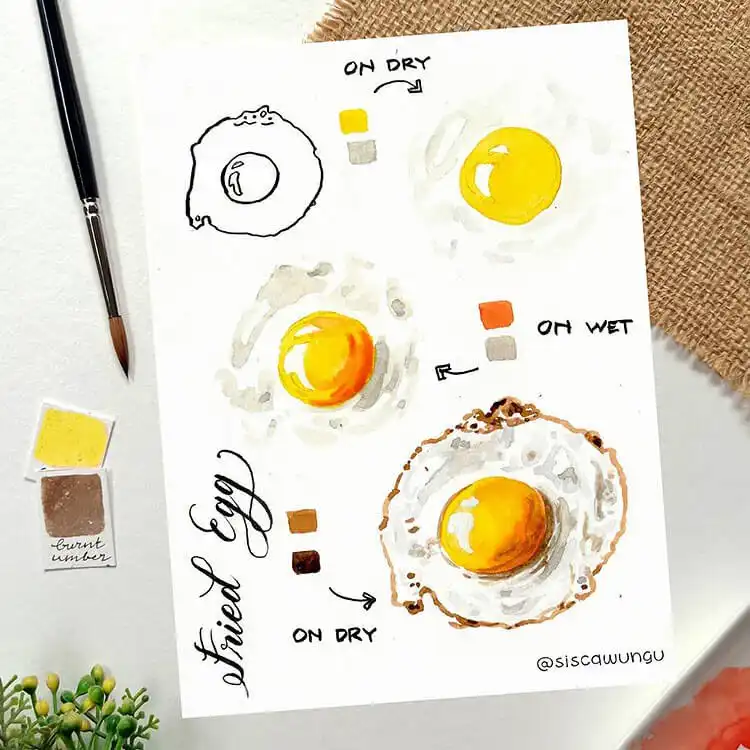
9. How to Paint a Fried Egg
Elevate the humble fried egg into a work of art with this engaging watercolor tutorial. Learn how to capture the radiant, almost glowing quality of the yolk with vibrant yellows and oranges. Contrast this with the translucent, ruffled whites, using subtle blues or grays in the shadows to add depth and make the yolk truly pop on the page.
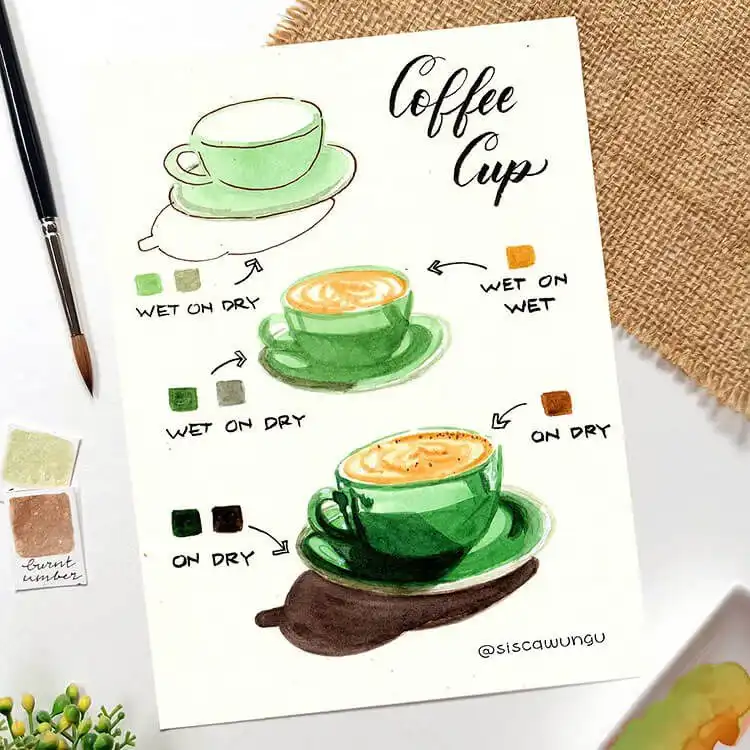
10. How to Paint a Coffee Cup
For coffee aficionados, a watercolor-painted coffee cup serves as a beautiful and personal tribute to their daily ritual. This tutorial teaches you how to paint the perfect coffee or latte, focusing on the rich, warm browns of the beverage and the creamy foam. Pay attention to the cup’s form, adding subtle reflections and shadows to give it dimension.
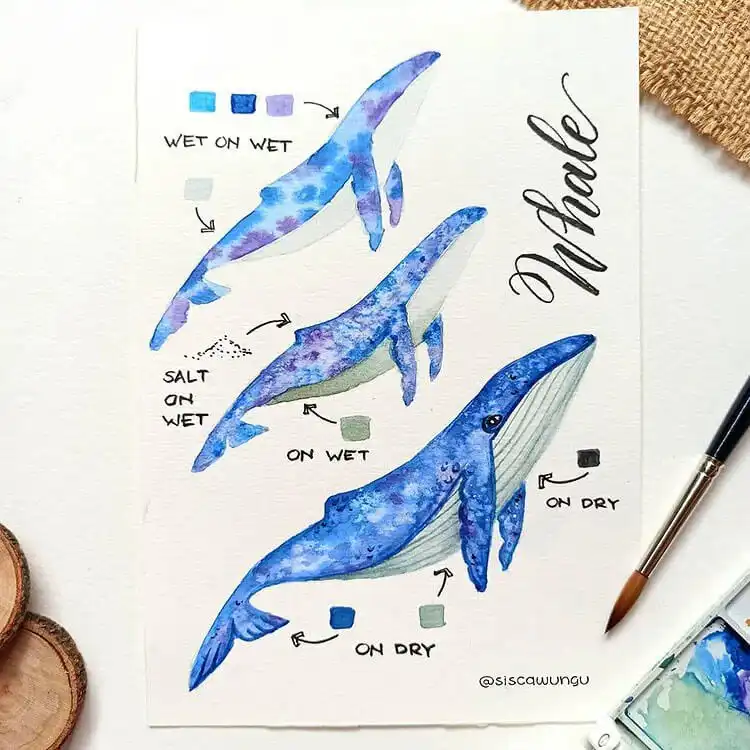
11. How to Paint a Whale
Embark on an underwater artistic journey by learning how to paint a majestic whale in watercolor. Utilize various shades of blue, from deep indigos to lighter ceruleans, to evoke the vastness of the ocean and the whale’s powerful presence. Focus on the gentle curves of its body and the play of light on its wet skin, capturing the serene beauty of sea life.
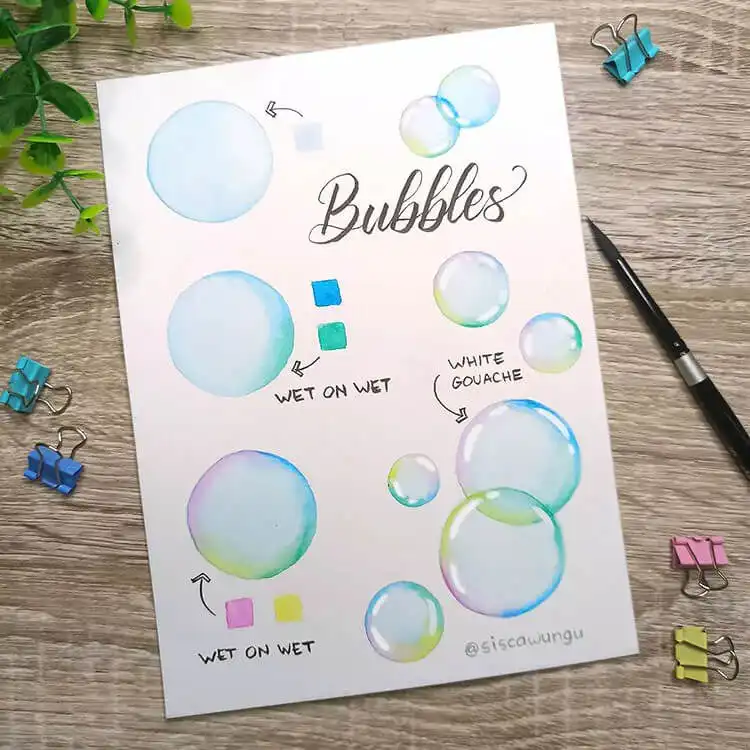
12. How to Paint Bubbles
If you’re captivated by the ephemeral beauty and rainbow hues of bubbles, this tutorial is perfect. It guides you in capturing the intricate interplay of light and shadow on their delicate, transparent surfaces. Experiment with iridescent colors and subtle reflections, using thin washes and precise highlights to create the illusion of their fleeting, spherical form.
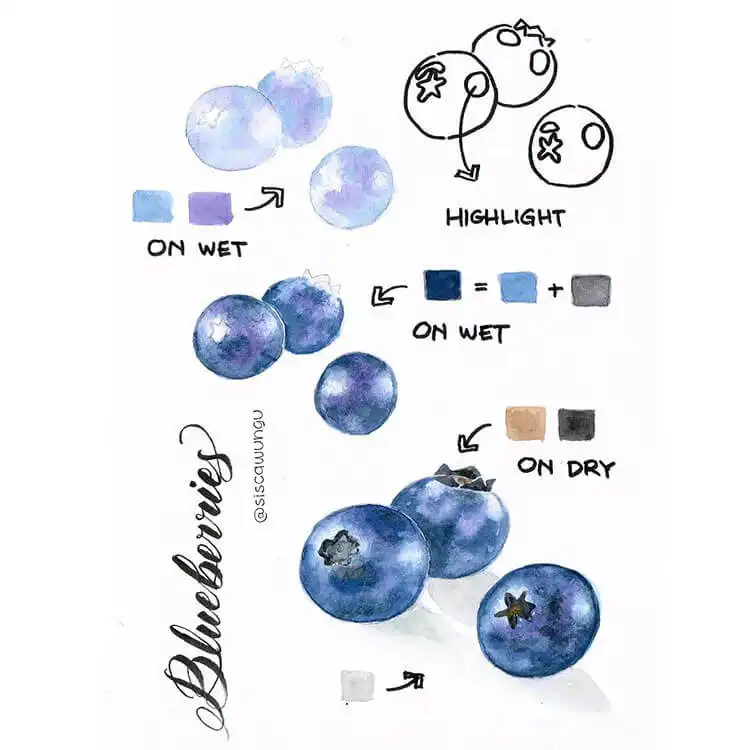
13. How to Paint Blueberries
Painting a cluster of blueberries is a delightful project that allows for rich exploration of color and texture. Experiment with layering different shades of blues, purples, and even subtle reds to create depth and dimension. Add tiny white dots or smudges for the characteristic bloom on their skin, making them look plump and fresh.
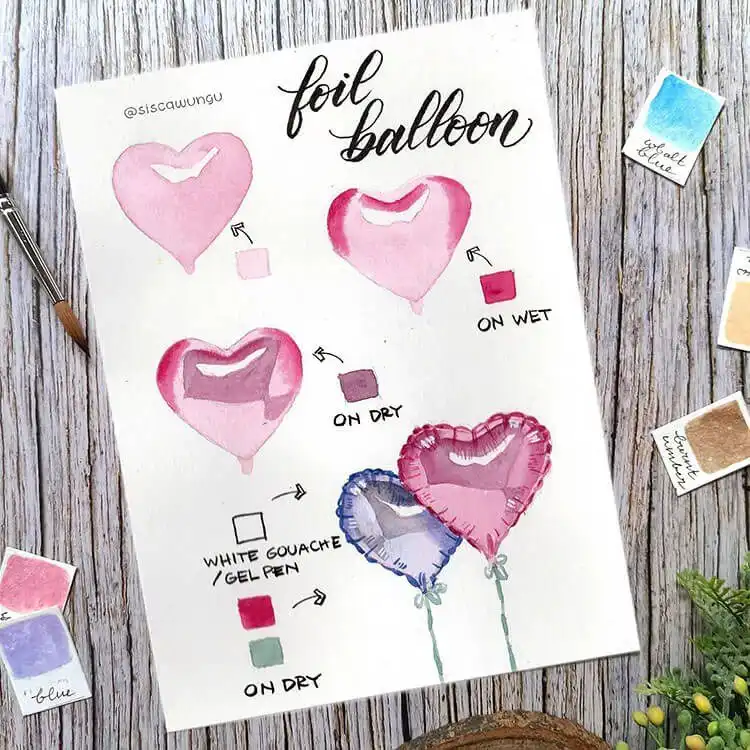
14. How to Paint a Heart-Shaped Foil Balloon
This tutorial meticulously explains how to create a compelling 3D effect on a heart-shaped foil balloon’s surface. The secret lies in skillfully blending metallic sheen with sharp contrasts of light and shadow. Use reflective colors and stark value changes to mimic the crinkled, shiny texture of foil, making it appear to float off the page.
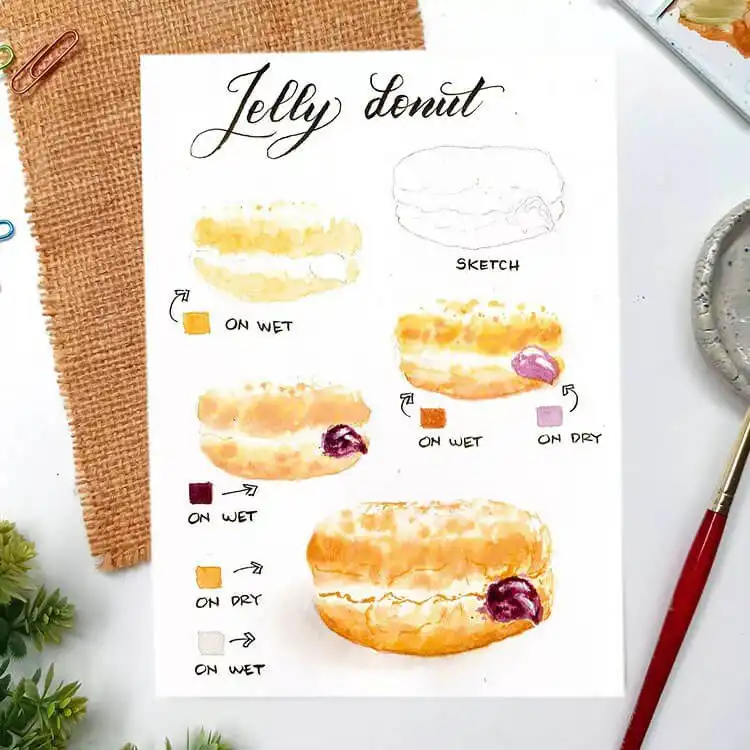
15. How to Paint a Jelly Donut
Sweet and utterly delicious, a jelly donut rendered in watercolor demands precision to capture its inviting details. Focus on the golden-brown crust with delicate textural hints, and then master painting the glistening, vibrant jelly peeking through. Use soft edges for the dough and sharp highlights for the jam to make it look truly irresistible.
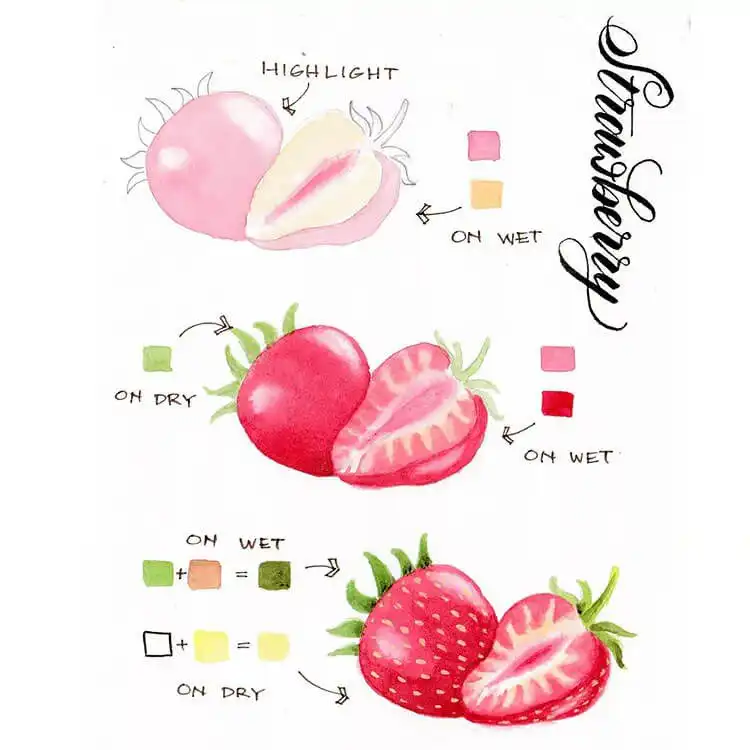
16. How to Paint a Strawberry
A perfectly ripe, red strawberry beautifully embodies the essence of summer and offers a fantastic subject for watercolor. Learn to paint its luscious, varied reds, from deep crimson to brighter highlights, along with its vibrant green cap. Don’t forget the tiny, characteristic seeds, using small dots or strokes for added realism and texture.
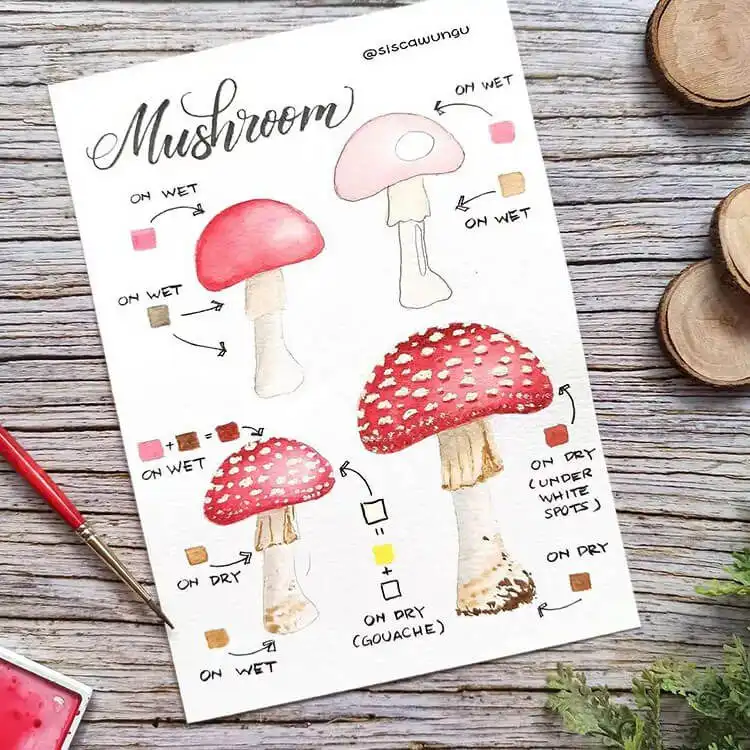
17. How to Paint a Mushroom
Mushrooms have become a popular subject in art for their whimsical and organic forms. This tutorial will guide you through capturing the subtle shade variations of the cap, the delicate texture of the gills underneath, and the unique stem. Explore earthy tones, using wet-on-wet techniques for soft transitions and fine lines for details.
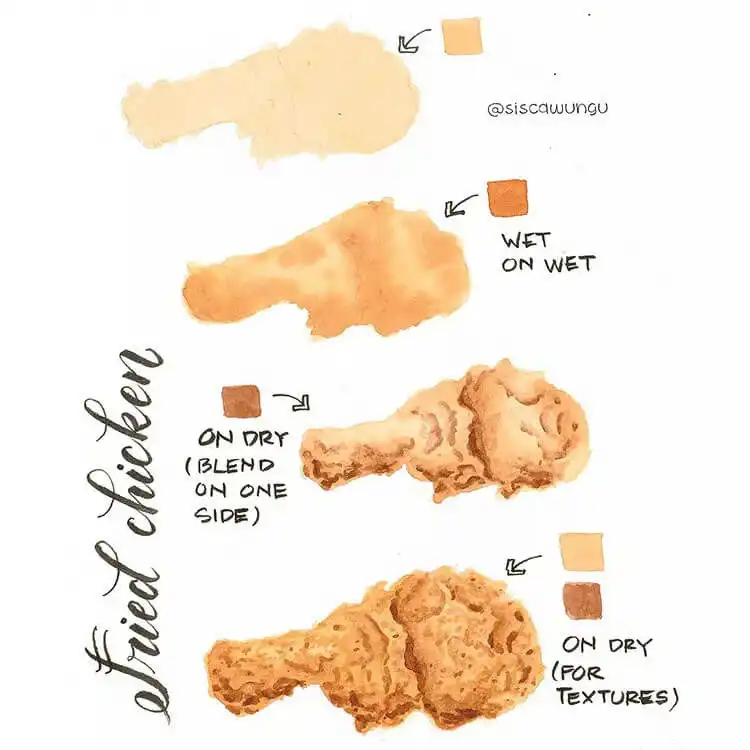
18. How to Paint Fried Chicken
The rich golden-brown hues and crispy textures of fried chicken make it a surprisingly compelling subject for a watercolor piece. Play with intricate skin details, capturing the light bouncing off the crunchy surface. Layer warm browns, oranges, and yellows to achieve that irresistible, freshly fried appearance, adding subtle shadows for depth. For bolder outlines or deeper shadows, a touch of black acrylic paint can be effective. Mastering these details is a fundamental skill that can be applied to more complex drawing subjects as well.
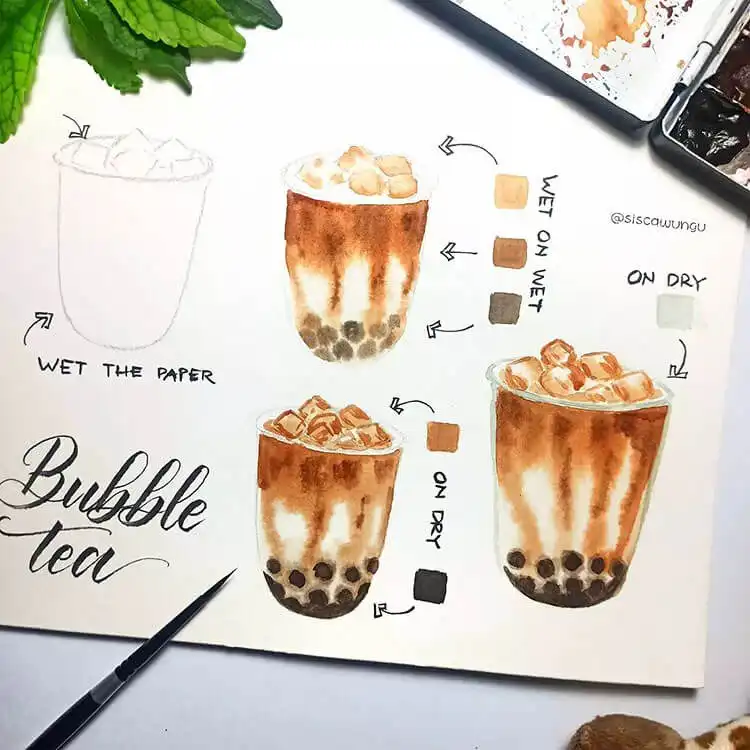
19. How to Paint Bubble Tea
Bubble tea offers an abundance of intriguing layers and textures for watercolor reinterpretation. Capture the translucent tea tones, from creamy pastels to rich browns, and the distinctive spherical forms of the pearls or jellies at the bottom. Focus on the interplay of light as it passes through the liquid and around the chewy elements, creating a sense of depth.
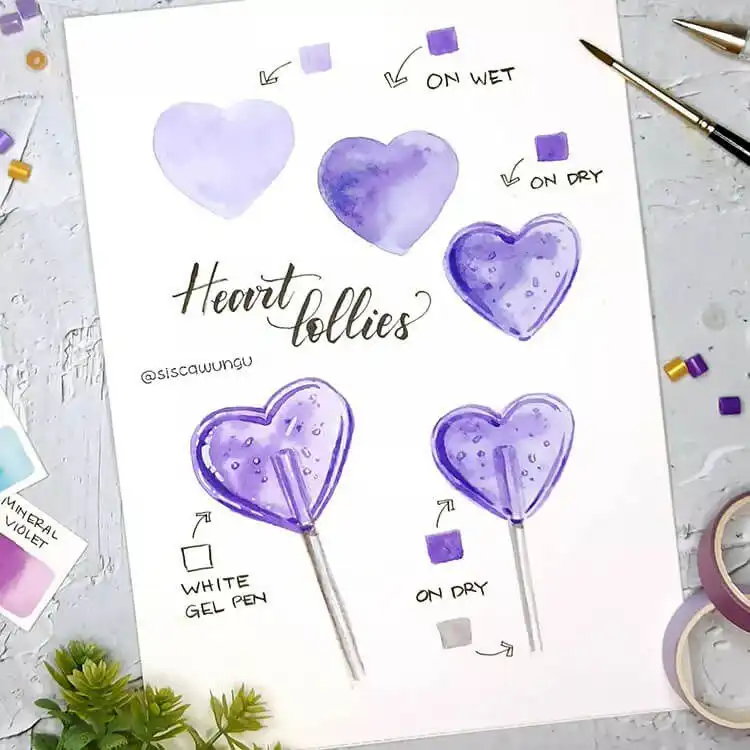
20. How to Paint a Heart Lollipop
A heart-shaped lollipop is a cheerful and sweet symbol that can instantly brighten any day. With strategic strokes and careful color blending, you can capture the lollipop’s realistic, glossy texture and vibrant transparency. Use bright, clean colors and subtle highlights to convey its sugary sheen, making it appear delectable and inviting.
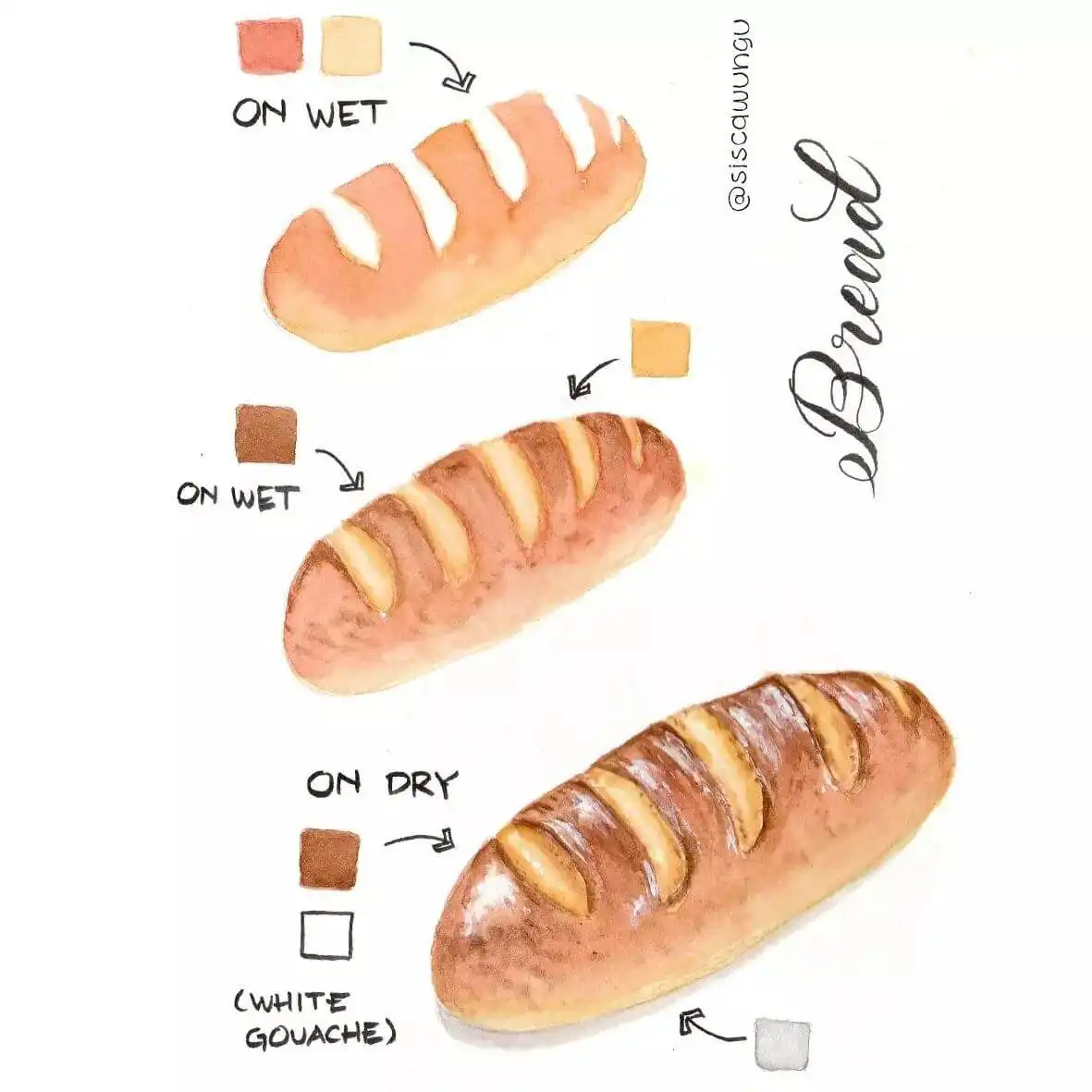
21. How to Paint Bread
Bread, in all its comforting forms—baguettes, rolls, or rustic sourdough—evokes warmth and tradition. When painting it, examine the rich, golden texture of the crust, which hints at the deliciousness within. Use warm browns, yellows, and oranges, employing dry brush techniques for crust texture and soft washes for the crumb, to capture its inviting appeal.
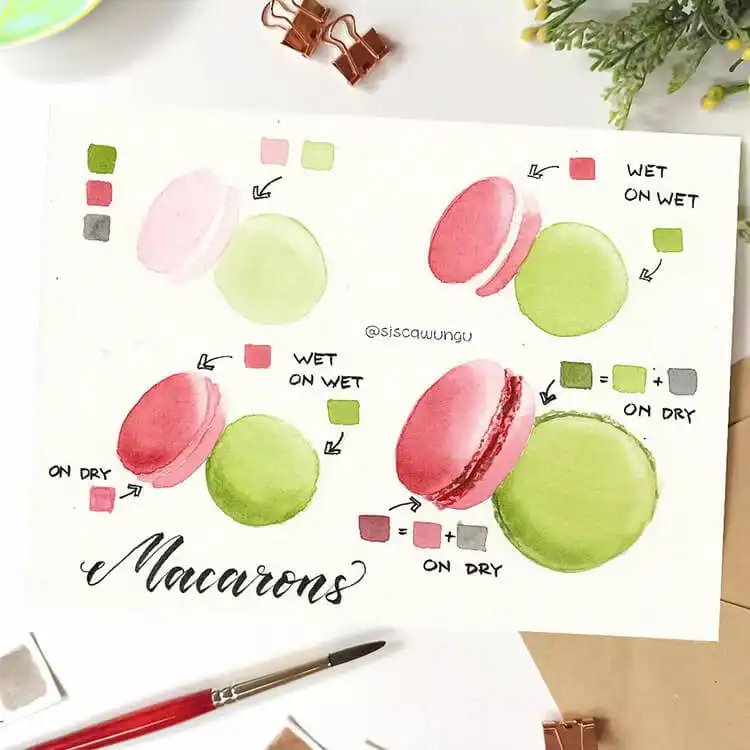
22. How to Paint a Macaron
Macarons are not only a delight to taste but also a feast for the eyes, making them an excellent watercolor subject. This tutorial teaches you to paint these delicious desserts, focusing on their delicate, airy shells and creamy fillings. Capture their signature “feet” and vibrant colors with soft blends and precise detailing for a truly charming result.
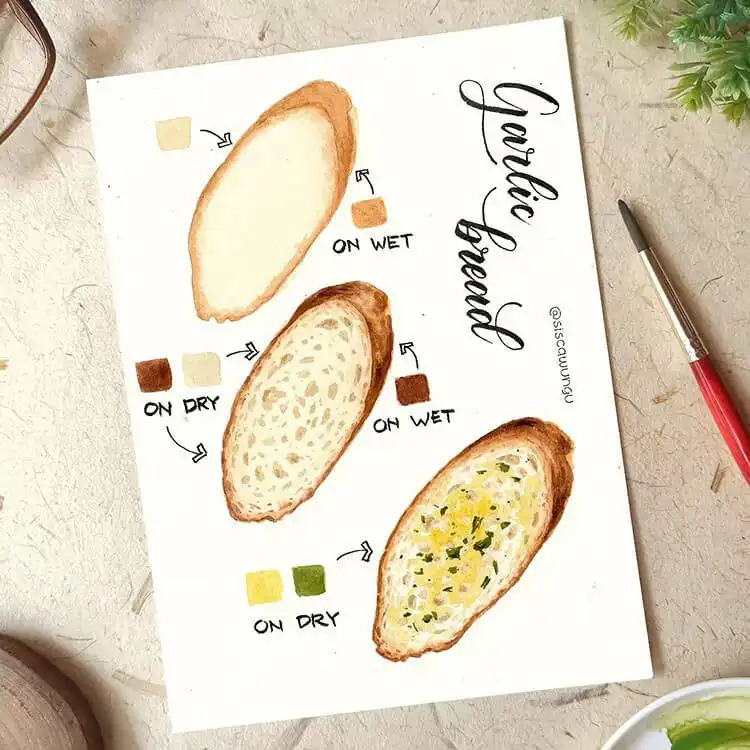
23. How to Paint Garlic Bread
Paint the savory, buttery flavors of garlic bread with watercolors, capturing its irresistible golden-brown crust and glistening spread. Focus on the textured surface where melted butter and garlic bits reside, with a hint of green parsley for freshness. Use warm, inviting tones and subtle highlights to convey its delicious aroma and crispy texture.
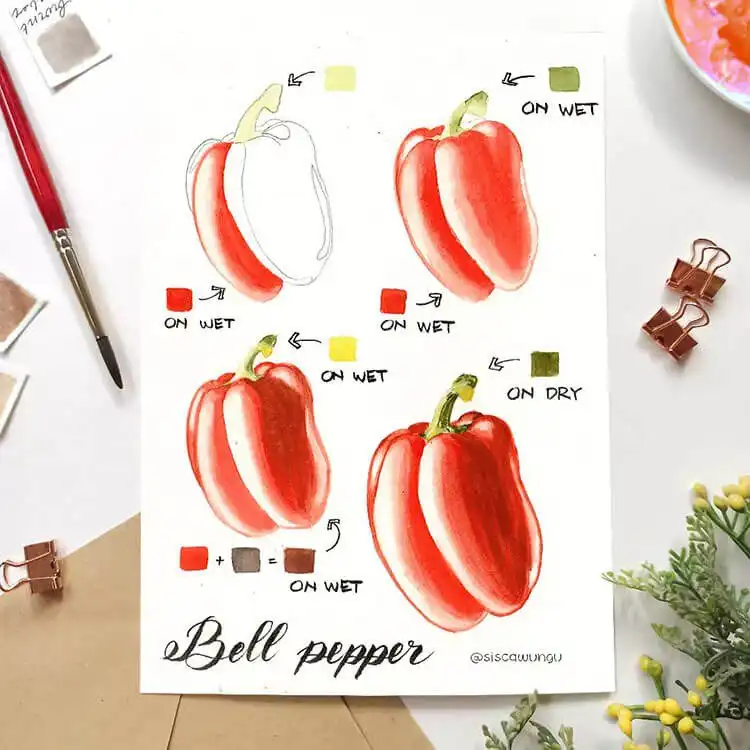
24. How to Paint a Red Pepper
The deep, vibrant reds of a bell pepper are guaranteed to pop beautifully on any paper, offering a fantastic color study. This tutorial will help you master blending wet and dry techniques to capture the pepper’s brilliant colors and its glossy sheen. Pay attention to its unique curves and shadows to give it a realistic, three-dimensional form. Developing a keen eye for form and detail, much like in character sketching, enhances the realism of your botanical art.
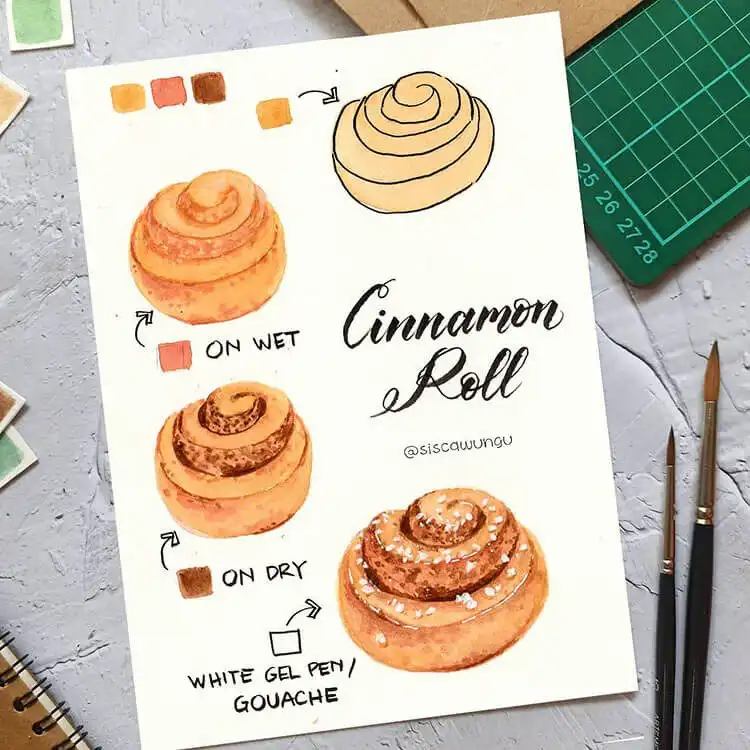
25. How to Paint a Cinnamon Roll
The mesmerizing spiral of a cinnamon roll is perfectly suited for watercolors, allowing for beautiful color transitions. This tutorial helps capture the warmth of a fresh-baked pastry, using delicate layers and shades of cinnamon brown, creamy white frosting, and warm dough tones. Evoke its comforting aroma and delicious taste through careful blending and highlights.
26. How to Paint Rainier Cherries
Two-tone and wonderfully succulent, Rainier cherries provide a uniquely vibrant subject for your watercolor venture. Explore effective color mixing to capture the cherries’ translucent flesh and their distinctive blend of red and yellow hues. Focus on the delicate gradient where the colors meet, adding subtle reflections to convey their juicy, plump nature.
27. How to Paint Bushes
Master the essential technique of painting bushes to bring depth, realism, and natural beauty to your landscape compositions. This tutorial guides you in creating varied foliage, using a combination of wet-on-wet for soft, distant effects and dry brush for closer, textured details. Experiment with greens, browns, and even hints of blues to build lush, dynamic forms that enhance your scenery.
These engaging watercolor tutorials offer a wonderful chance to capture the intricate details of everyday beauty and transform them into art. With consistent practice and a touch of patience, you’ll begin to notice the subtle intricacies not just in your artwork, but in the vibrant world around you. Consider displaying your stunning finished pieces on high-quality canvas panels. Don’t forget to save your favorite tips on Pinterest, share this guide with fellow art enthusiasts, and leave a comment below with your favorite watercolor subject!