How to Get Better at Drawing for Beginners – Your 30 Day Drawing Challenge
If you’re eager to unlock your artistic potential and discover how to get better at drawing for beginners, you’ve come to the right place. Many believe that artistic talent is purely innate, but like any skill, drawing can be honed and perfected through consistent practice and dedication. This comprehensive guide will dispel that myth and equip you with actionable strategies to improve your drawing abilities.
Embark on this exciting journey with our ultimate 30 Day Drawing Challenge, designed specifically to help you build confidence and refine your techniques daily. By integrating these simple yet effective tips and committing to regular practice, you’ll see remarkable progress in your drawing skills. Are you ready to pick up your pencil and transform your artistic vision into reality? Make sure you have all your essential craft supplies ready.
PHOTOS by beautifuldawndesigns.net
1. Start with the Basics
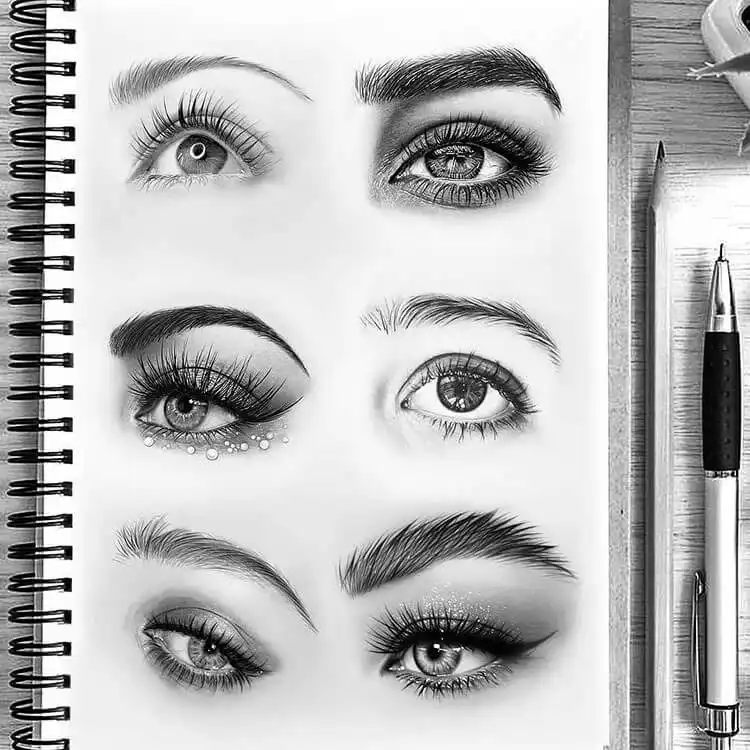
To truly get better at drawing, establishing a strong foundation is non-negotiable. Begin by immersing yourself in the fundamental elements of art: lines, shapes, and proportions. Understanding how to construct complex objects from simple geometric forms is a cornerstone of realistic drawing, giving you the building blocks for any subject.
There is an abundance of resources available to guide you through these initial steps, from online tutorials to dedicated drawing lessons. For a comprehensive overview, consider consulting a general beginner’s guide. Don’t underestimate the value of basic exercises; they are crucial for developing hand-eye coordination and spatial awareness, setting you up for more advanced techniques.
2. Use Reference Materials
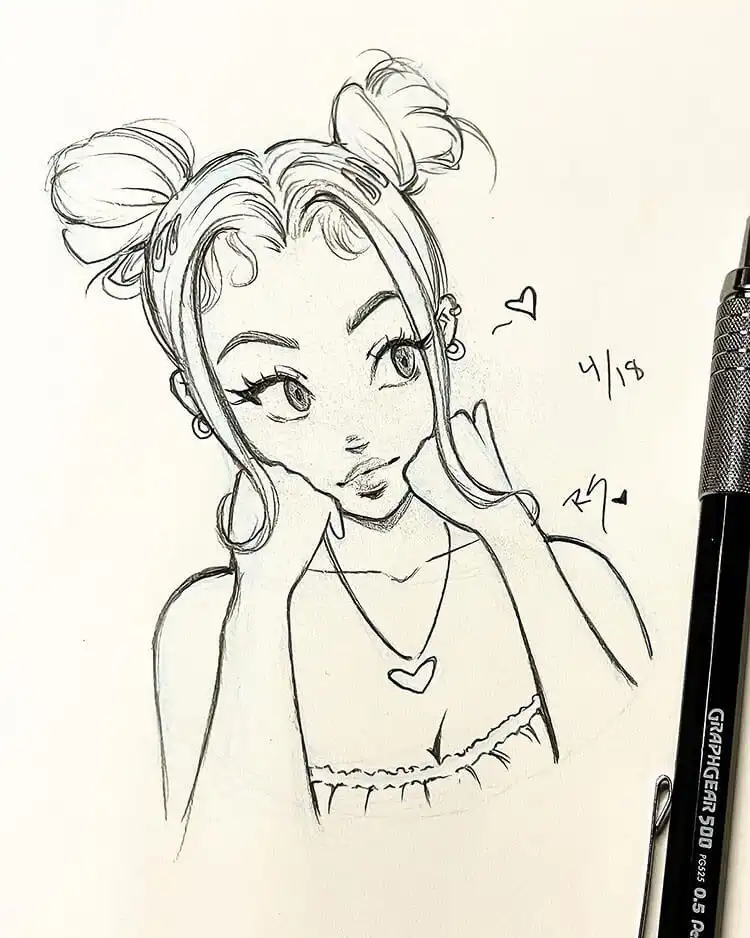
Incorporating reference materials into your drawing practice is one of the most effective ways to accelerate your learning curve. Whether you’re working from photographs, live models, or still-life arrangements, having a visual guide helps you accurately observe and interpret forms, shadows, and textures.
References are not a crutch but a powerful learning tool that aids in understanding complex structures and nuanced details. They teach you to see critically, allowing you to accurately translate what you perceive onto paper and build a visual library in your mind for future original creations.

3. Experiment with Different Mediums
Don’t limit yourself to a single drawing tool when you’re starting out. Exploring various mediums such as graphite pencils, charcoal, ink, or even digital drawing software can significantly broaden your artistic horizons. For those interested in exploring outline work or even body art, consider trying a Tattoo Stencil Printer for Beginners to experiment with clean transfers. Each medium offers a unique texture, line quality, and expressive potential, influencing how you approach a subject.
Trying different materials helps you discover what feels most comfortable and intuitive for your personal style. This exploration can also reveal new ways of seeing and creating, pushing you beyond your comfort zone and fostering unexpected artistic breakthroughs. Why stop at drawing? You might find joy in other hands-on creative pursuits like needlecrafts or weaving. If you enjoy textural art, a DIY Rope Canvas Kit for Beginners could introduce you to a different dimension of crafting. Or perhaps expand your skills with a book on Macrame for beginners, a craft that emphasizes knot-tying and design.
4. Practice, Practice, Practice
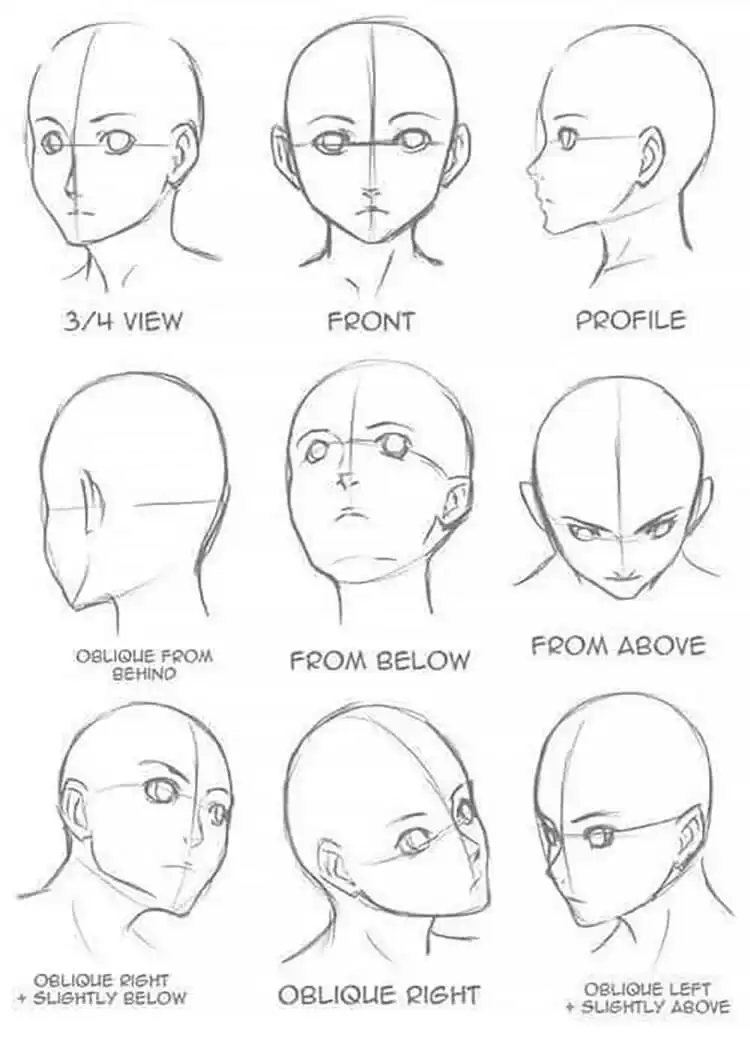
The single most important factor in improving your drawing skills is consistent and dedicated practice. Regular engagement with your sketchbook, even for short periods daily, builds muscle memory, sharpens your observational skills, and refines your technique. Treat drawing as a skill that improves incrementally with each attempt.
Set aside a dedicated time each day, even if it’s just 15-30 minutes, to actively draw. This consistent effort, rather than sporadic long sessions, will yield more significant and lasting improvements over time, transforming drawing into a natural and fluid process.
5. Join a Class or Workshop
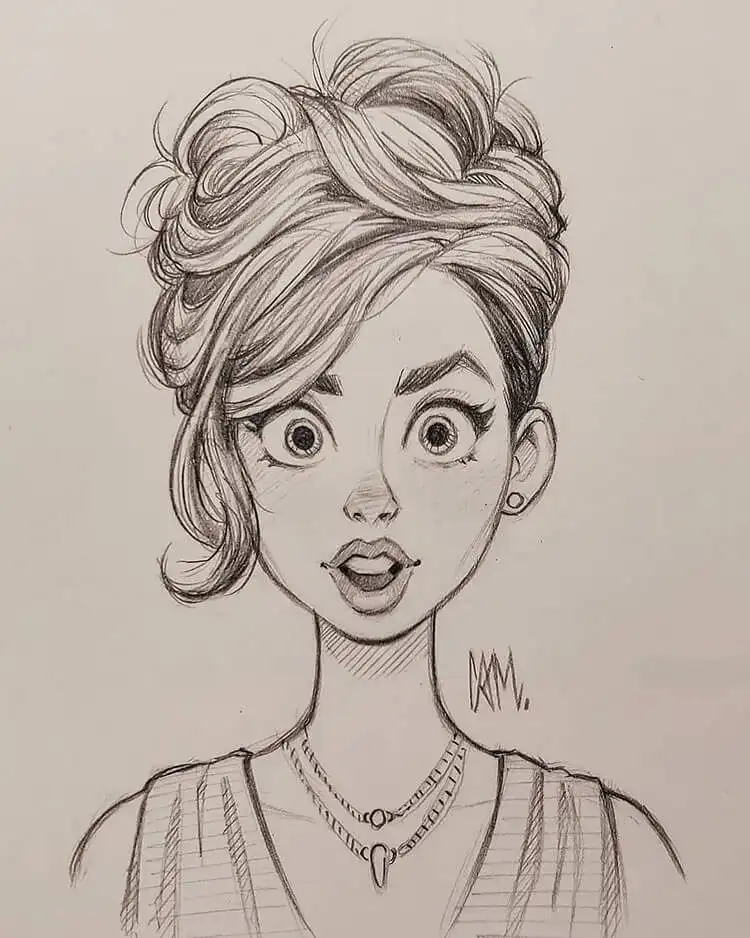
For structured learning and expert guidance, consider enrolling in a drawing class or workshop. These environments provide valuable instruction from experienced artists, offering personalized feedback and exposing you to new techniques and perspectives. Many local art centers and online platforms host classes catering to all skill levels.
If formal classes aren’t feasible, YouTube offers an incredible wealth of free drawing tutorials, from basic sketching to advanced shading techniques. Beyond drawing, if you’re looking to develop fine motor skills and design, a book like Bead Jewelry Making for Beginners by Cecilia Leibovitz offers another creative avenue. Learning new crafts like knitting can also enhance your artistic dexterity. Discover your one-stop resource for everything you’ll ever need to know about knitting from this book. Similarly, if you enjoy structured creation and working with fabrics, consider exploring textile arts with resources like “The Sewing Book: Over 300 Step-by-Step Techniques” by Alison Smith, and make sure you have a complete sewing kit on hand. These resources can be a fantastic way to learn at your own pace and explore specific areas of interest, like learning to draw animals.
6. Take Reference Photos
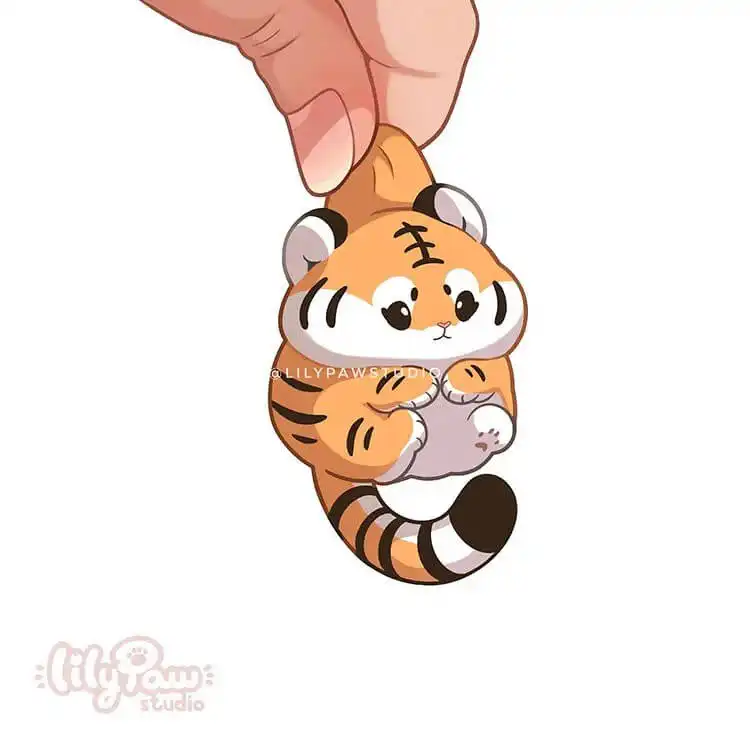
Develop the habit of capturing your own reference photos of objects, scenes, or people you’d like to draw. This allows you to control the lighting, angles, and composition, tailoring the visual information precisely to your artistic needs. Building a personal library of references is invaluable for any artist.
Whether it’s the intricate patterns of a flower, the dramatic lines of a building, or the subtle expressions on a family member’s face, your own photos provide a unique and accessible source of inspiration. This practice also trains your eye to notice interesting details and compositions in everyday life.
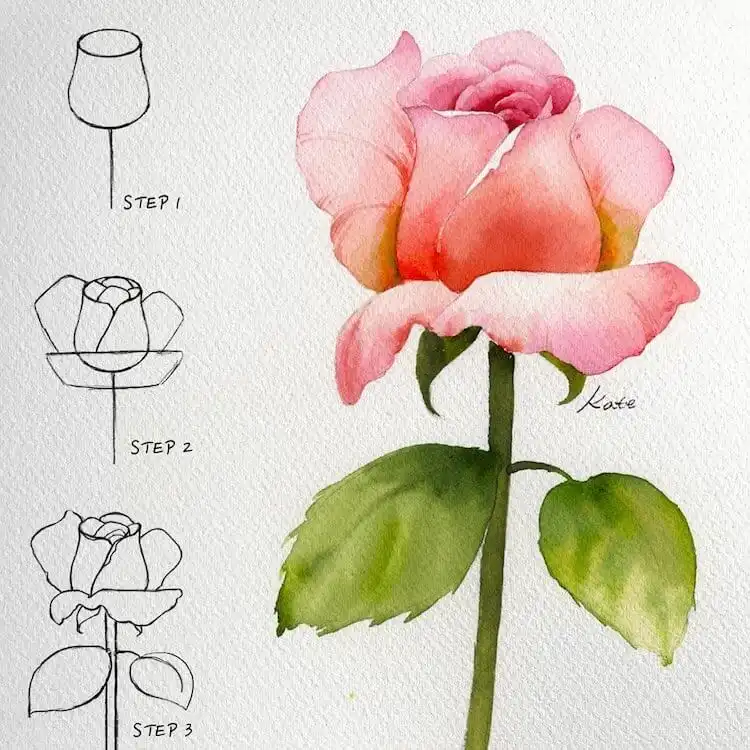
7. Don’t Compare Yourself to Others
It’s natural to admire the work of other artists, but comparing your progress to theirs can be discouraging. Remember that everyone’s artistic journey is unique, characterized by individual paces of learning, different starting points, and varying styles. Focus on your own growth and celebrate your personal achievements, no matter how small.
Art is a deeply personal expression, and healthy self-comparison involves looking back at your own earlier work to see how far you’ve come. Embrace your unique artistic voice and allow yourself the freedom to create without the pressure of external benchmarks.
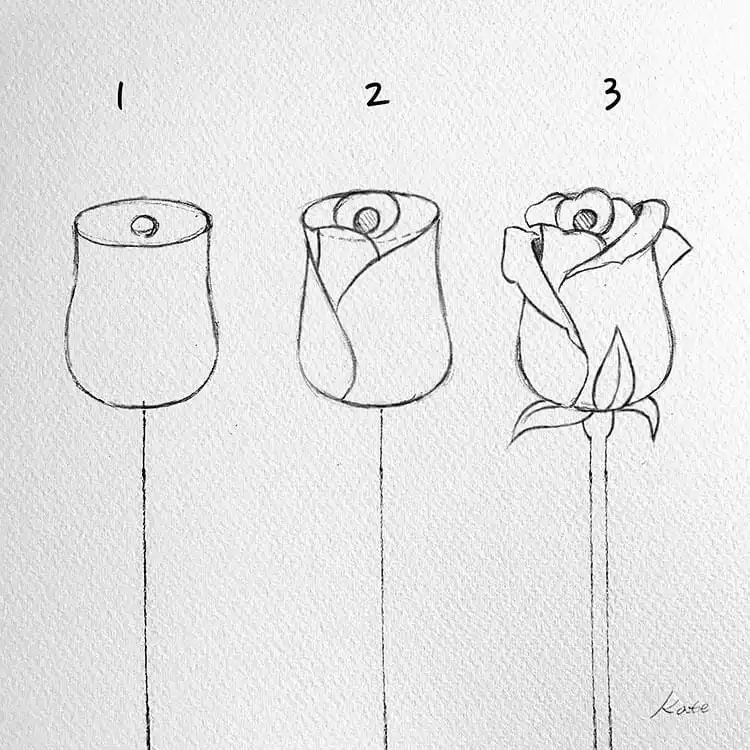
8. Try Different Styles
Don’t feel confined to one particular artistic style; embrace the opportunity to experiment and explore. Whether it’s realistic portraiture, abstract compositions, whimsical cartoons, or detailed landscapes, trying different approaches can broaden your skill set and reveal new passions. This experimentation keeps your artistic journey fresh and exciting.
Each style demands different techniques and ways of seeing, challenging you to adapt and grow. You might find a style that resonates deeply with you, or you might develop a unique hybrid approach by drawing inspiration from various influences.

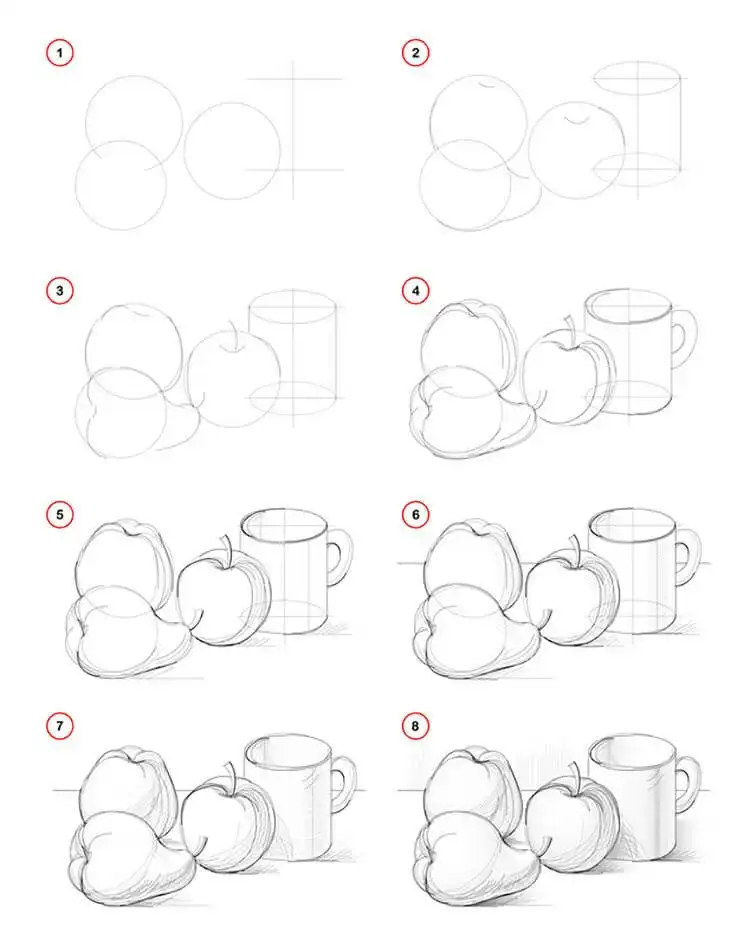
9. Try Still Life Drawings
Still life drawing is a foundational exercise for artists of all levels, offering a fantastic way to practice observation, perspective, shading, and composition. Arranging inanimate objects allows you to control your subject matter completely, from lighting to arrangement, providing an ideal environment for focused learning.
Even seemingly simple objects, like a bowl of fruit or a vase of flowers, present complex challenges in rendering form, texture, and light. Still life studies are invaluable for developing your understanding of three-dimensional space and accurately translating it onto a two-dimensional surface.
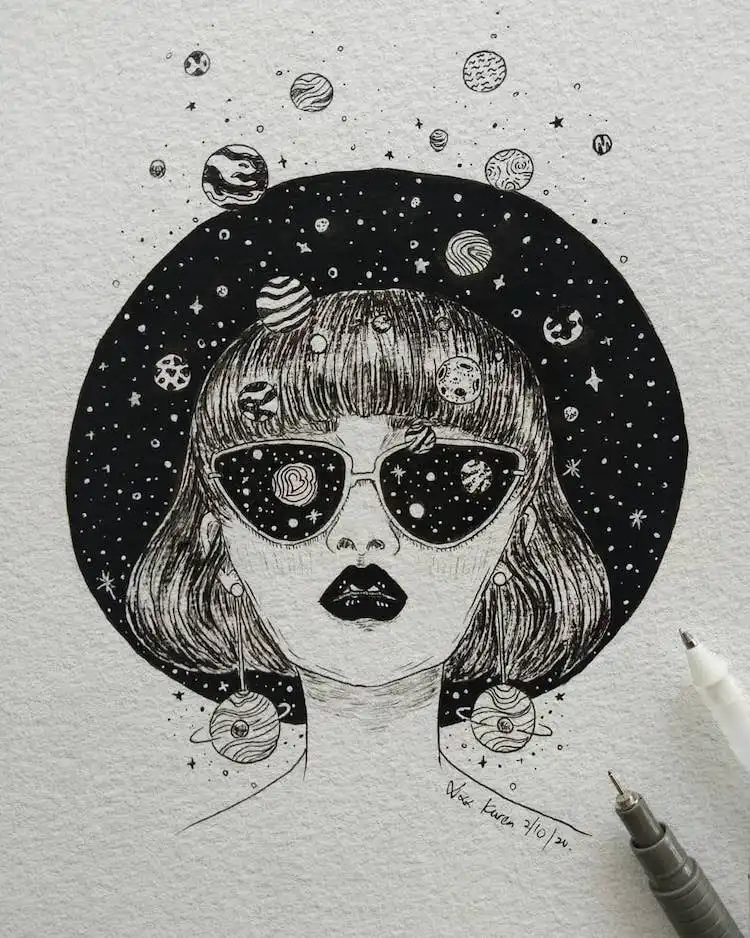
10. Get Feedback
Seeking constructive feedback on your drawings is a powerful tool for improvement. Fresh eyes can spot areas for development that you might overlook, offering insights into composition, anatomy, shading, or overall impact. Be open to criticism and view it as an opportunity to learn and grow.
Share your work with trusted friends, mentors, or online art communities. Many online platforms are filled with supportive artists eager to offer helpful critiques. Remember to specify the kind of feedback you’re looking for, making the process more effective and targeted.
11. Have Fun Drawing
Ultimately, drawing should be an enjoyable and fulfilling experience. Don’t let the pursuit of perfection overshadow the sheer joy of creating. Embrace the process, allow for mistakes, and celebrate every line you put on paper. When you approach drawing with a sense of playfulness and curiosity, improvement often follows naturally. For quick, engaging projects across various interests, check out these easiest first projects to begin, which can spark creativity beyond just drawing.
If you find yourself feeling stressed or frustrated, take a break and return to your art with a refreshed perspective. If you find yourself wanting a break from drawing but still wish to engage creatively, learning a new skill like crochet can be very rewarding. For an all-in-one start, check out the Craftwiz Learn to Crochet Kit for Beginners Adults. You can also explore specific techniques, like with an activity book designed to encourage creative expression, or simply gather some hot glue gun supplies for quick 3D craft projects. Maintaining a positive and relaxed mindset is crucial for fostering creativity and making your drawing journey sustainable and rewarding.
Take My 30-Day Drawing Challenge
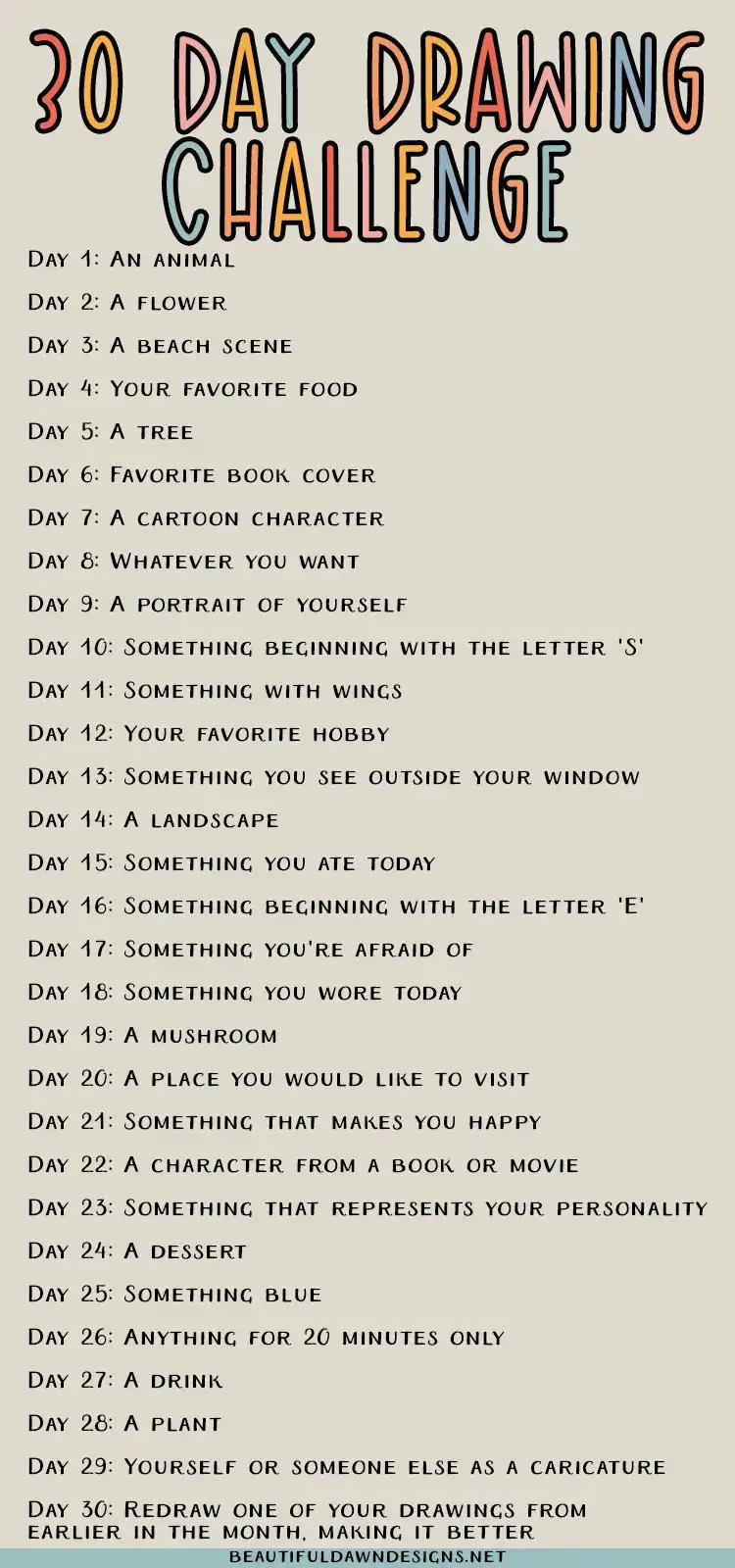
Committing to a daily drawing practice is the single best way to accelerate your progress and solidify your skills. This 30-Day Drawing Challenge is designed to provide you with diverse prompts, encouraging consistency and expanding your creative boundaries. Remember, the goal is not perfection, but consistent engagement and exploration.
Each day presents a new subject or concept, pushing you to experiment with different techniques and themes. Don’t worry if a drawing doesn’t turn out exactly as planned; the true value lies in the act of drawing itself and the learning that occurs with each attempt. Have fun and embrace the challenge!
-
Day 1: Draw an animal
Kick off your challenge by drawing an animal. You can choose a pet, a wild creature, or even a mythical beast. Focus on capturing its unique anatomy and fur or feather textures. Don’t be afraid to use reference photos to help with accuracy and detail.
-
Day 2: Draw a flower
Today, focus on the delicate forms of nature. Select your favorite flower and pay attention to its petals, stem, and leaves. Consider the flow and symmetry, and experiment with different shading techniques to give it depth and realism.
-
Day 3: Draw a beach scene
Transport yourself to the coast! Sketch a beach scene, incorporating elements like waves, sand, perhaps a distant horizon or a few seagulls. Practice drawing textures for water and sand, and consider how light would fall across the landscape.
-
Day 4: Draw your favorite food
Indulge your senses by drawing your most beloved dish or snack. Focus on its shape, color, and how you can make it look appetizing through shading and highlights. Think about the textures – crunchy, soft, gooey – and how to convey them visually.
-
Day 5: Draw a tree
Observe the majestic structure of a tree. Whether it’s a gnarled oak or a slender willow, pay attention to its trunk, branches, and the overall canopy. Experiment with different line weights to suggest bark texture and the density of leaves.
-
Day 6: Draw your favorite book cover
Choose a book that holds a special place in your heart and recreate its cover. This challenge allows you to practice lettering, composition, and replicating existing designs. You can simplify or reinterpret it in your own style, making it a unique homage.
-
Day 7: Draw a cartoon character
Let your imagination take the lead by drawing a classic or contemporary cartoon character. Focus on capturing their distinctive features and exaggerated expressions. This is an excellent exercise for practicing simplified forms and dynamic poses.
-
Day 8: Draw whatever you want
Today is a free drawing day! Let your creativity flow without any specific prompt. Draw something from your imagination, a fleeting thought, or an object in your immediate surroundings. This helps break creative blocks and encourages personal expression.
-
Day 9: Draw a portrait of yourself
Take on the challenge of self-portraiture. Use a mirror or a photo as a reference and focus on capturing your facial features, proportions, and unique expressions. This is a powerful way to practice drawing faces and observing subtle details.
-
Day 10: Draw something beginning with the letter ‘S’
This fun prompt challenges your observational skills and creativity. Think of objects, animals, or concepts that start with ‘S’ – perhaps a star, a snake, a shoe, or even a spoon. The possibilities are endless, so pick something that inspires you.
-
Day 11: Draw something with wings
From birds and butterflies to angels or fantastical creatures, depict anything with wings. Focus on the structure and movement of the wings, considering how they would fold or unfurl. This allows for dynamic compositions and elegant forms.
-
Day 12: Draw your favorite hobby
Illustrate an element or scene related to your favorite hobby. Whether it’s knitting needles, a camera, a musical instrument, or a chessboard, capture the essence of what you love to do. This personal connection can infuse your drawing with passion.
-
Day 13: Draw something you see outside your window
Turn to your immediate environment for inspiration. Sketch a scene or object visible from your window. This could be a distant building, a tree, a car, or even the sky. It encourages you to draw from observation and capture a slice of everyday life.
-
Day 14: Draw a landscape
Practice drawing a broader scene today. Focus on capturing depth and atmosphere in a landscape. Consider elements like mountains, valleys, rivers, or fields, and experiment with perspective to create a sense of distance and scale.
-
Day 15: Draw something you ate today
Similar to drawing your favorite food, today’s challenge is to draw something you’ve consumed recently. This helps train your eye to notice the everyday objects around you and practice rendering common items with care and detail.
-
Day 16: Draw something beginning with the letter ‘E’
Another letter prompt to spark your imagination. Consider objects like an egg, an elephant, an eagle, or an eye. This encourages you to think broadly and find interesting subjects within specific constraints, enhancing your creative problem-solving.
-
Day 17: Draw something you’re afraid of
Confront your fears artistically. This introspective prompt encourages you to draw something that evokes apprehension or unease. It can be a symbolic representation, a literal creature, or an abstract concept, helping you express emotions through art.
-
Day 18: Draw something you wore today
Focus on clothing and fabric. Select an item you’re wearing – perhaps a shirt, a hat, or a pair of shoes. Pay attention to the folds, wrinkles, and texture of the material, practicing how to convey soft or stiff fabrics realistically.
-
Day 19: Draw a mushroom
Delve into the whimsical world of fungi. Draw a mushroom, focusing on its unique cap shape, stem, and gills. Experiment with organic forms and perhaps add some moss or forest floor elements to create a miniature scene.
-
Day 20: Draw a place you would like to visit
Imagine your dream destination and bring it to life on paper. This could be a bustling city, a serene natural wonder, or a fantastical location from your favorite story. Focus on architecture, natural elements, and conveying the atmosphere of the place.
-
Day 21: Draw something that makes you happy
Today’s prompt is all about positive emotions. Draw an object, a scene, or a person that brings you joy. Infuse your drawing with that feeling, allowing it to guide your lines and composition. This can be a very uplifting and personal exercise.
-
Day 22: Draw a character from a book or movie
Choose a beloved character from literature or film and interpret them in your drawing style. Focus on their distinguishing features, costumes, and personality. This is a great way to practice drawing expressive figures and capturing their essence.
-
Day 23: Draw something that represents your personality
This abstract challenge asks you to symbolize your own traits or interests visually. It could be an object, an animal, a pattern, or an abstract composition. This encourages self-reflection and creative metaphor in your artwork.
-
Day 24: Draw a dessert
Satisfy your sweet tooth with a drawing of a delicious dessert. Focus on the textures of frosting, fruit, or flaky pastry. Use highlights and shadows to make it look tantalizingly real and appealing on paper.
-
Day 25: Draw something blue
A color-based prompt to encourage specific observation. Find an object in your surroundings that is predominantly blue and draw it. Pay attention to its form and how the color interacts with its surroundings, even if you’re drawing in monochrome.
-
Day 26: Drawing anything for 20 minutes only
Today’s challenge emphasizes speed and capture over perfection. Set a timer for 20 minutes and draw anything you see or imagine. This exercise improves your ability to quickly sketch forms and essential details, enhancing observational skills under pressure.
-
Day 27: Draw a drink
From a steaming cup of coffee to a refreshing glass of iced tea, draw a beverage. Focus on capturing the transparency of the glass, the liquid within, and any condensation or steam. Pay attention to how light interacts with liquids.
-
Day 28: Draw a plant
Explore the intricate details of a plant. This could be a houseplant, a succulent, or a shrub from your garden. Focus on the growth patterns, leaf venation, and the textures of stems and foliage. This enhances your botanical drawing skills.
-
Day 29: Draw yourself or someone else as a caricature
Have fun exaggerating features! Create a caricature of yourself, a friend, or a family member. Identify their most distinctive features and amplify them for humorous or expressive effect. This is a great way to practice observational skills with a twist.
-
Day 30: Redraw one of your drawings from earlier in the month, making it better
For your final challenge, revisit one of your earlier drawings from this month. Take all the skills you’ve developed and redraw it, focusing on improvements in proportion, shading, composition, or detail. This provides a tangible measure of your progress!
We hope these tips and the 30-Day Drawing Challenge inspire you to pick up a pencil and start creating. Don’t forget to save this article on Pinterest for future reference, share it with fellow aspiring artists, and leave a comment below to let us know which challenge prompt was your favorite! And for all your creative needs, explore our Amazon storefront here, filled with products for various arts and crafts.