Mastering the Art of Cool Watercolor Plant Painting: Fiddle Leaf Fig & More
Dive into the serene world of watercolor with our guide to cool watercolor plant painting, focusing on the ever-popular fiddle leaf fig and a variety of other botanical beauties. Whether you’re a budding artist or looking to refine your skills, these easy-to-follow ideas will inspire your next masterpiece. Discover techniques to capture the delicate nuances of leaves and branches, transforming simple paper into vibrant botanical art for your home. For all your creative endeavors, consider stocking up on quality craft supplies.
Painting plants and trees offers a wonderful creative outlet, allowing you to bring the tranquility of nature indoors. From delicate lavender to towering oak trees, this collection provides a wide variety of painting references suitable for beginners to advanced painters. If you enjoy artistic expression, explore our diverse drawing tutorials for inspiration that can further enhance your artistic journey, or perhaps try a different medium with a complete crochet kit for beginners.
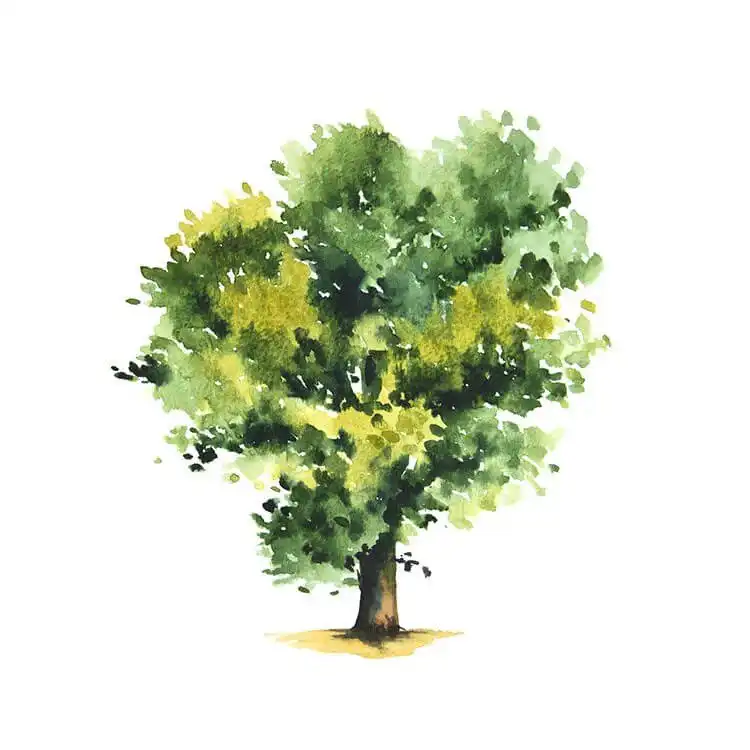
Watercolor Oak Tree
Capture the timeless grandeur of an oak tree with a blend of rich greens and subtle browns. This painting reference emphasizes depth by layering different shades, creating a lush canopy that feels alive. Focus on varied brushes to mimic the texture of the leaves and the robust trunk, giving your oak a distinct personality.
Experiment with sap green, olive green, and a touch of raw umber to achieve naturalistic foliage. Adding subtle shadows beneath denser leaf clusters will enhance the three-dimensional effect, making your tree stand out beautifully on the page.
PHOTOS by beautifuldawndesigns.net
Lavender Painting
Delight in the delicate beauty of lavender, showcasing its intricate details within a rustic brown pot. This painting challenges you to use fine brushwork to define each bloom and stem, bringing the fragrant herb to life. Pay attention to how light interacts with the delicate florets, creating beautiful highlights and nuanced shadows.
Utilize soft purples like lavender and ultramarine blue, complemented by gentle touches of white gouache for highlights. The earthy tones of the pot provide a grounding contrast, making the vibrant purple truly pop. These lovely blooms would look excellent in classic Terracotta Plant Pots. This piece is perfect for those who appreciate botanical precision.
PHOTOS by beautifuldawndesigns.net
Willow Tree
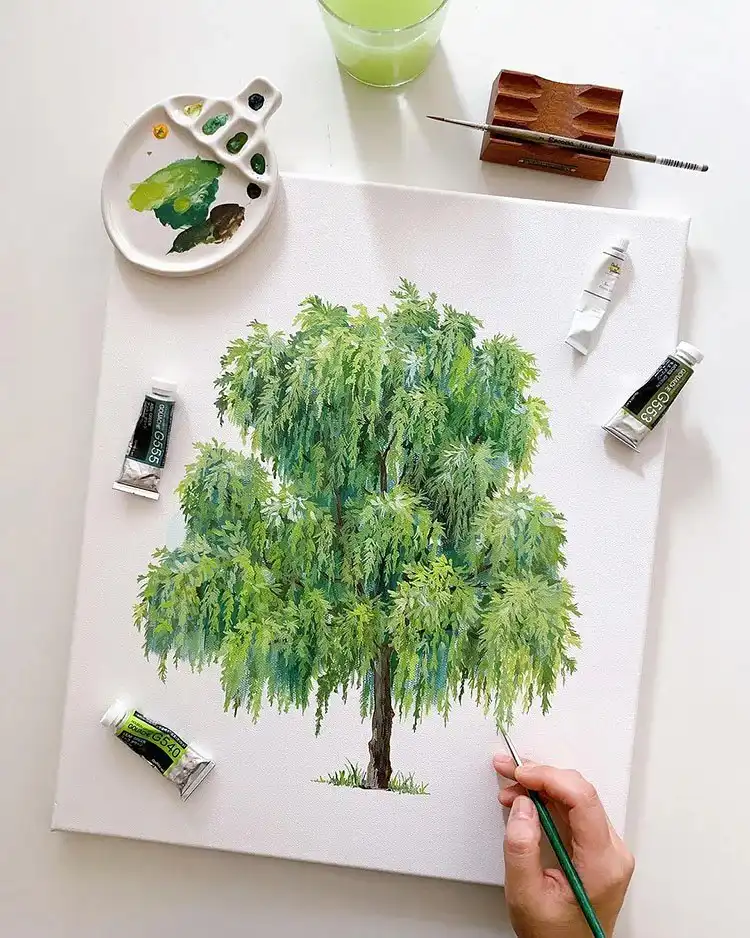
Embrace the graceful, weeping silhouette of a willow tree in your next watercolor project. This design captures the tree’s distinctive droopy branches and flowing leaves, evoking a sense of calm and movement. Focus on long, sweeping strokes to depict the elegance of its branches, allowing colors to blend softly for a dreamlike quality.
Use muted greens, such as a mix of viridian and yellow ochre, to create the characteristic leafy cascades. Incorporate light washes of gray or cerulean blue in the background to suggest a serene, misty atmosphere, enhancing the willow’s ethereal charm. Consider painting your own favorite tree for a personal touch.
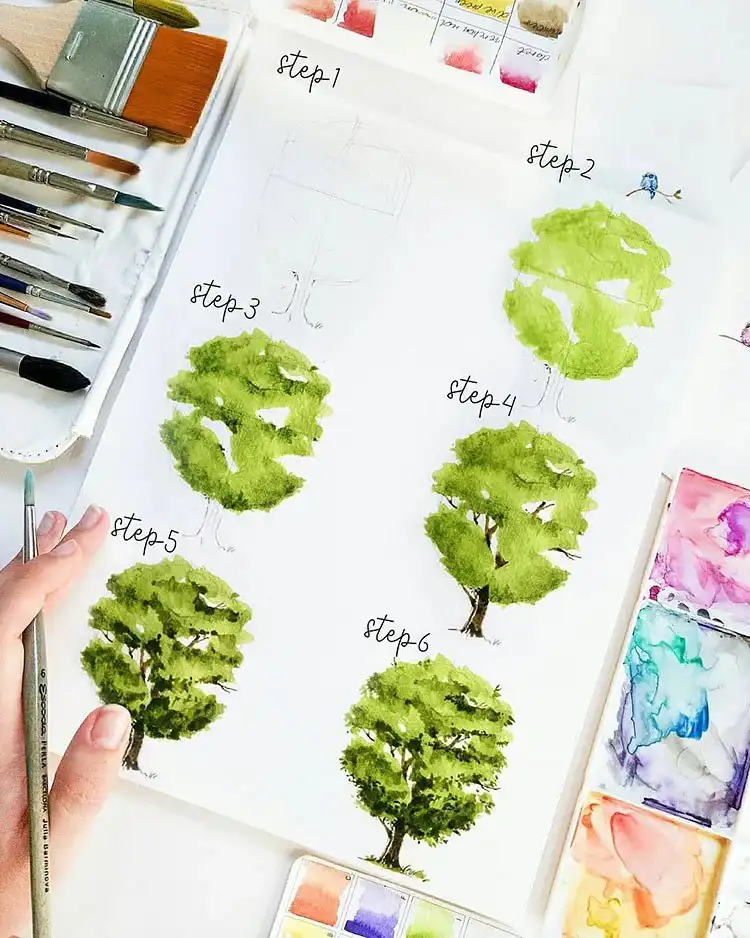
PHOTOS by beautifuldawndesigns.net
How to Paint a Tree
- Designed by Magdalena
Master the foundational techniques for painting a simple yet detailed tree with this excellent step-by-step watercolor tutorial. This guide breaks down the process into manageable steps, focusing on trunk structure, branch patterns, and foliage masses. It’s an ideal starting point for beginners looking to build confidence in botanical illustration.
Learn to layer washes to build up color and depth, giving your tree a realistic appearance. Understanding how light hits the canopy and trunk is key to creating a believable form. For those interested in developing their fundamental drawing abilities, exploring sketching different forms can be incredibly beneficial, and for any paper-based craft, a sharp pair of scissors is always a handy tool to have.
PHOTOS by Magdalena Illustration / beautifuldawndesigns.net
Prayer Plant Leaves
Celebrate the unique, intricate patterns of prayer plant leaves with a vibrant watercolor rendition. This painting highlights the distinctive variegation and rich texture found in these beloved houseplants. Use varying shades of green, from deep forest to bright lime, to mimic the leaf’s natural complexity and add incredible depth.
Focus on wet-on-wet techniques to allow colors to bleed softly, creating organic transitions within the leaf patterns. A fine paintbrush can then add sharper details for the veins. This piece is a fantastic way to showcase your love for unique foliage and plant artistry.
PHOTOS by beautifuldawndesigns.net
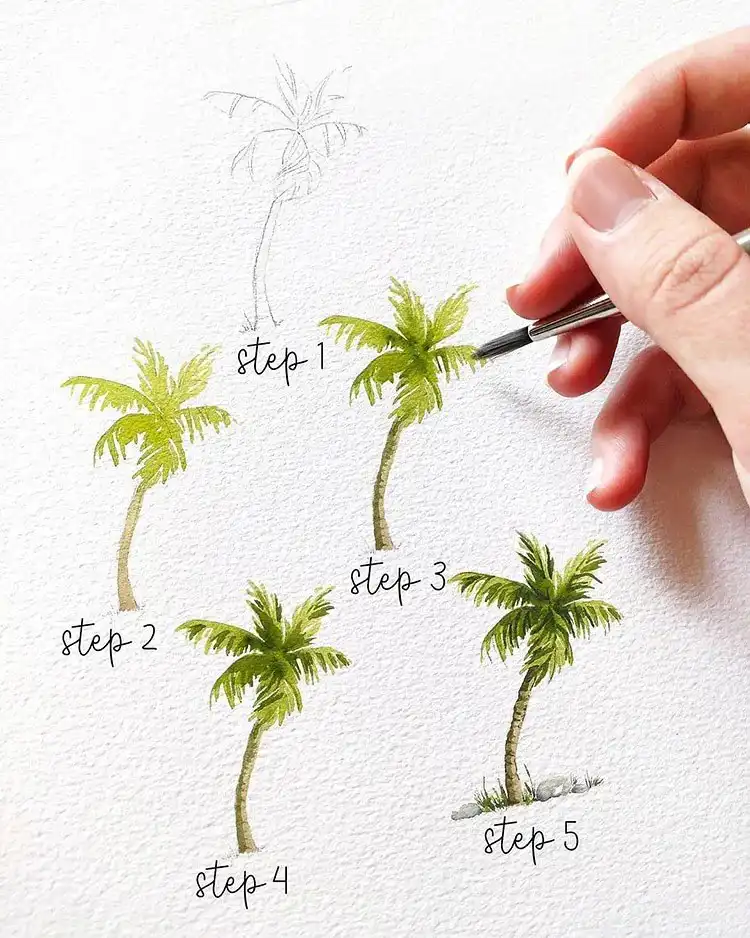
How to Paint a Palm Tree
- Designed by Magdalena
Transport yourself to a tropical paradise by learning how to effortlessly paint a palm tree. This tutorial guides you through creating the iconic fan-like fronds and textured trunk that define these beautiful trees. It simplifies the process, making it accessible even if you’re new to painting more complex botanical shapes.
Utilize sweeping brushstrokes for the fronds, allowing the green pigments to flow naturally. A dry brush technique can add texture to the trunk, capturing its rough surface. This project is perfect for bringing a touch of vacation vibrancy into your artistic portfolio or home decor.
PHOTOS by Magdalena Illustration / beautifuldawndesigns.net
Cute Plant Doodles
If you’re just embarking on your watercolor journey, these cute plant doodles offer a perfect, low-pressure starting point. These simple and charming illustrations allow you to experiment with bright, cheerful colors and basic shapes. It’s an excellent way to practice brush control and color mixing without the pressure of realism. For another accessible creative hobby, consider trying a simple beginner’s crocheting kit.
Embrace playful combinations of pinks, yellows, and light greens to create an inviting aesthetic. These doodles are fantastic for personalizing greeting cards, journal pages, or creating small, uplifting art pieces. Let your creativity bloom with these adorable botanical forms.
PHOTOS by beautifuldawndesigns.net
Baobab Trees and Animals
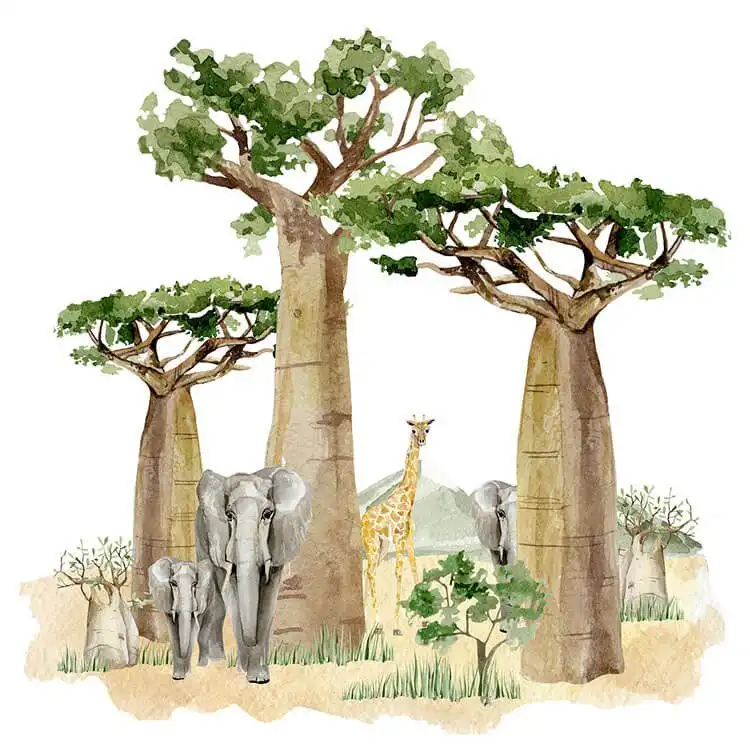
Immerse yourself in the majestic beauty of the African savannah with a dreamy landscape featuring iconic baobab trees and gentle wildlife. This painting concept encourages the use of muted, earthy tones to evoke the vastness and warmth of the African plains. It’s an opportunity to create an atmospheric scene rather than a detailed study.
Utilize soft washes of ochre, burnt sienna, and muted greens for the landscape and trees. Silhouette techniques can effectively depict animals like elephants and giraffes, adding life to your serene panorama. This project invites you to capture the expansive beauty of nature’s grand designs.
PHOTOS by beautifuldawndesigns.net
Tall Plant in Pot
A wonderfully accessible project for beginners, this simple tall plant in a pot emphasizes strong silhouettes and contrasting tones. The beauty lies in its simplicity, allowing you to focus on form and basic color harmony. Experiment with different greens for the foliage and a complementary color for the pot to create visual interest.
Use a single, confident stroke for each leaf to define its shape, building up layers for a fuller look. The pot can be rendered with a solid wash, providing a stable base. This straightforward yet striking composition is ideal for practicing your fundamental watercolor skills.

PHOTOS by beautifuldawndesigns.net
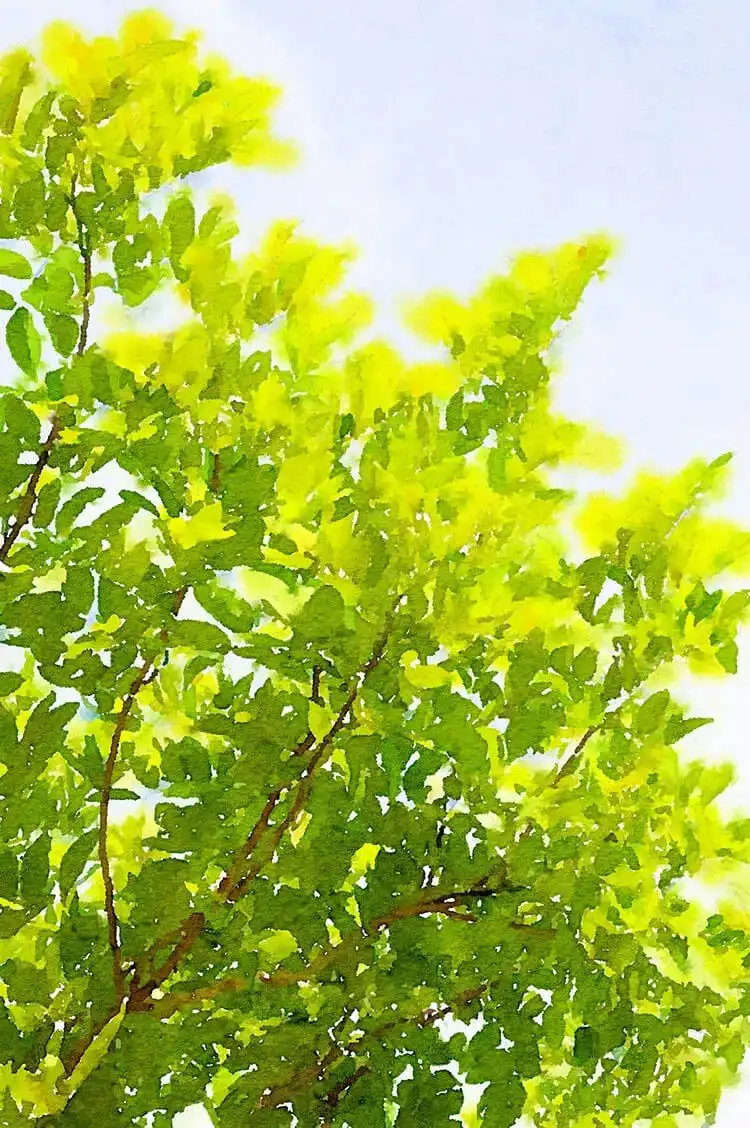
Tree with Vibrant Green Leaves
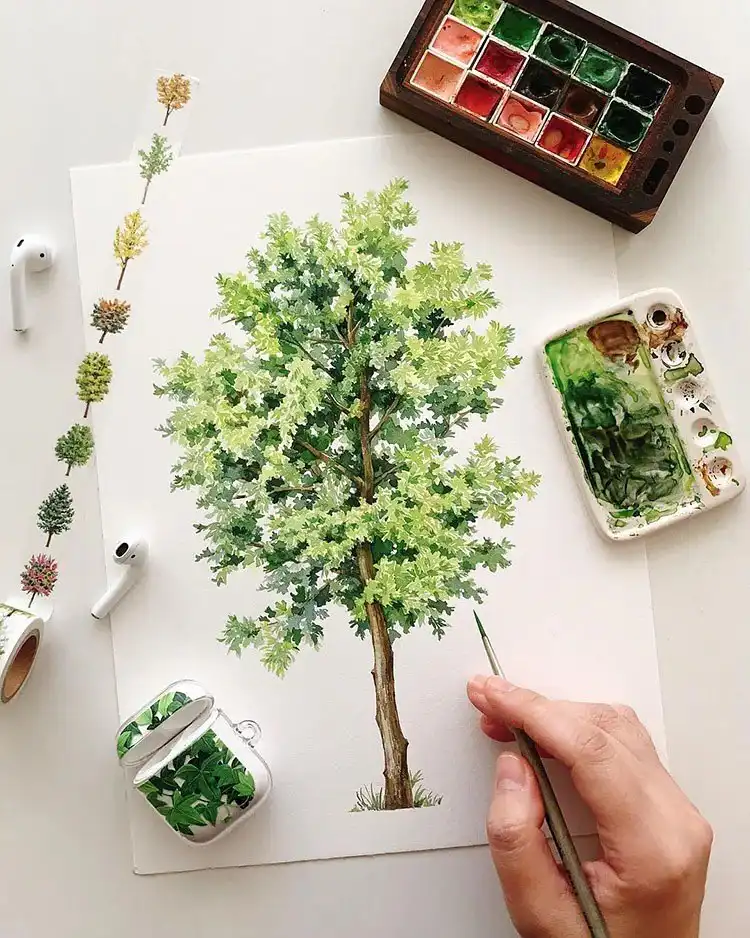
Bring a burst of life to your sketchbook with a tree characterized by its lush, vibrant green leaves. This painting focuses on capturing the energy and freshness of new growth, utilizing a range of bright, lively greens. The key is to vary your shades to prevent the foliage from looking flat, giving it a dynamic, full appearance.
Layer shades like sap green, spring green, and a touch of lemon yellow to create a luminous effect. Consider adding subtle hints of blue in the shadows to enhance the coolness and depth of the canopy. This piece celebrates the joyous vitality found in nature.
PHOTOS by beautifuldawndesigns.net
How to Paint a Snake Plant
Learn the precise techniques needed to paint the distinctive upright leaves of a snake plant, a favorite for its architectural form. This tutorial focuses on capturing the unique striped texture of the leaves, the solid structure of the pot, and even the nuances of a plant stand. It’s a comprehensive guide for rendering a popular indoor plant.
Employ dry brush techniques to create the subtle horizontal banding on the leaves and varied greens for depth. Pay attention to perspective for the pot and stand to ensure a realistic setup. This detailed project is perfect for plant enthusiasts seeking to capture their botanical friends on paper.
Watercolor Oak Tree
Revisit the majestic oak tree with a different perspective, focusing on the interplay of greens and browns that define its robust character. This version encourages you to explore various species, such as the Northern Red Oak, White Oak, or Chestnut Oak, each offering unique textures and leaf shapes. It’s an invitation to deepen your understanding of tree anatomy.
Blend earthy tones like burnt umber and raw sienna into your greens for a more autumnal or mature feel. Consider the branching patterns specific to your chosen oak variety to add authenticity. This painting allows for rich textual exploration and a deeper connection to nature’s giants.
Plants Sitting on a Plant Stand
Capture the charm of an indoor plant arrangement by painting plants displayed on a plant stand or shelf. This concept allows for a still-life approach, letting you experiment with composition, light, and shadow as they fall across multiple plants and their containers. It’s an excellent way to practice rendering different textures and forms within a single piece.
Use your own plant collection as inspiration, paying close attention to the unique pot designs and varying leaf shapes. This painting can become a personal tribute to your green companions, reflecting your unique style and home aesthetic. For those who enjoy creating varied elements for their home, exploring other creative patterns can add another dimension to your decor efforts.
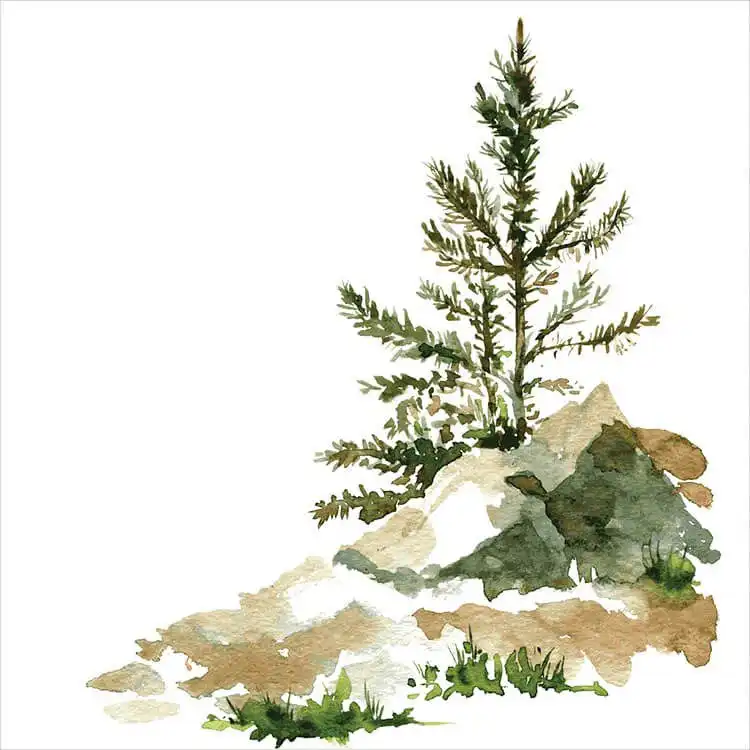
Pine Trees and Rocks
Evoke a sense of serene wilderness by combining the rugged beauty of pine trees with the starkness of natural rocks. This painting subject offers a wonderful opportunity to blend cool greens of the pines with the warm browns and grays of rocky terrain. Focus on creating atmospheric depth and texture.
Use darker, cooler greens for the dense pine needles and rougher brushstrokes for the craggy rocks. Consider a misty background to enhance the serene, contemplative mood. This composition is perfect for capturing the quiet majesty of a forest landscape, bringing a piece of the wild indoors.
Fiddle Leaf Fig Painting
Bring the iconic elegance of a fiddle leaf fig into your home with a beautiful watercolor painting. This cool watercolor plant painting captures the large, violin-shaped leaves and distinctive venation of this popular indoor plant. It’s a perfect solution for enjoying the beauty of this plant without the maintenance of a live one.
Focus on the dramatic contrast between the glossy green leaves and the lighter veins, using rich, layered greens for depth. The strong silhouette of the leaves makes for a striking composition. This piece is a contemporary choice for adding sophisticated botanical art to any room.
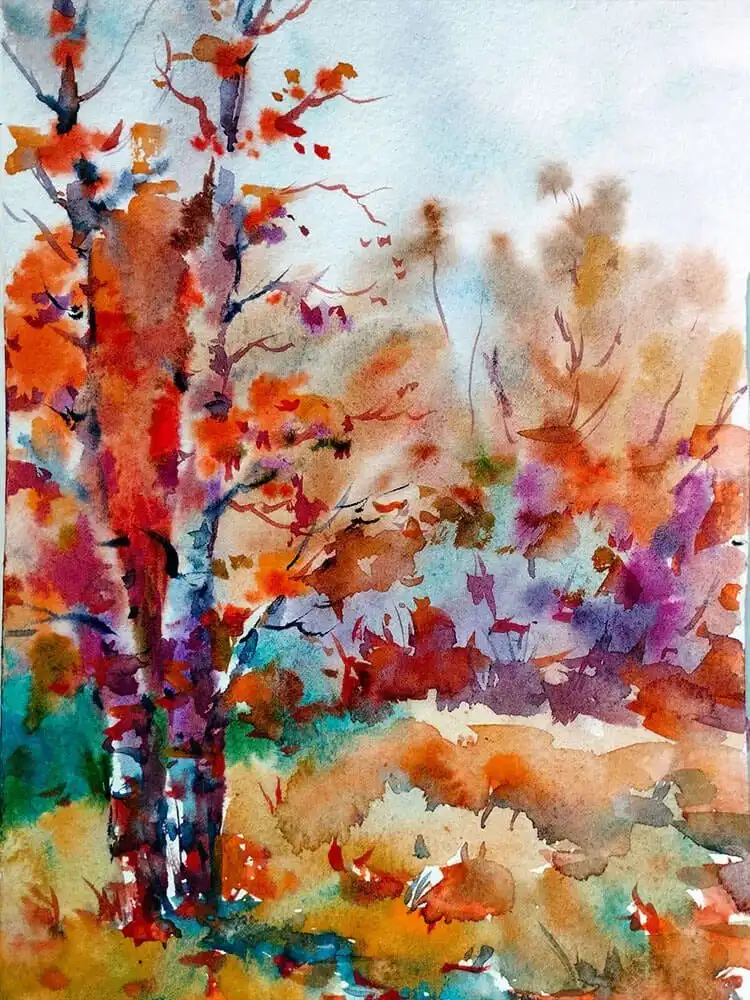
Autumn Leaves Painting
Celebrate the vibrant spectacle of autumn with a watercolor painting that captures the rich hues of fall foliage. This project invites you to explore a palette of warm oranges, deep reds, golden yellows, and earthy browns as leaves transition. It’s a beautiful way to interpret the seasonal changes of nature.
Experiment with wet-on-wet techniques to allow colors to blend softly, mimicking the natural variation in autumn leaves. Focus on creating a sense of movement as if the leaves are gently falling. This painting evokes the cozy and reflective spirit of the autumn season, bringing its warmth indoors.
Step-by-Step Watercolor Plant Leaf
Demystify the process of painting plant leaves with a detailed step-by-step tutorial. This guide breaks down the fundamentals, from basic shapes to adding veins and shadows, helping you create realistic and vibrant foliage. It’s an essential lesson for anyone looking to improve their botanical illustration skills.
Practice different brush techniques for varied leaf textures and edges. Once you master a single leaf, you can confidently combine these skills to construct an entire plant or floral arrangement. This foundational knowledge is crucial for developing your watercolor artistry, offering a solid base for future projects. Similarly, mastering the right tools, such as a set of ergonomic crochet hooks, is key in any craft.
Trees and Mountains
Immerse yourself in the tranquility of nature by painting a landscape featuring majestic trees alongside towering mountains. This composition allows you to explore atmospheric perspective, showing how elements recede into the distance. It’s about capturing the peaceful, awe-inspiring feeling of expansive natural scenery.
Use cooler, lighter tones for distant mountains and warmer, more detailed colors for foreground trees to create depth. Soft washes can depict the sky, blending seamlessly with the mountain peaks. This painting is a wonderful way to express the serenity and grandeur of the great outdoors, a perfect scene for any nature lover.
Beautiful Snake Plant Painting
Showcase the striking beauty of a snake plant, not just in its foliage but also through a creatively designed pot. This painting emphasizes both the architectural elegance of the plant and the artistic potential of its container. Search online for diverse pot designs to inspire a unique and complementary look for your artwork.
Integrate patterns or textures onto the pot to elevate the overall aesthetic, making it an integral part of the composition. The interplay between the plant’s strong vertical lines and the pot’s design creates a visually engaging piece. This project combines botanical art with decorative design, resulting in a truly distinctive creation. For more botanical inspiration, check out Wild at Home: How to Style and Care for Beautiful Plants by Hilton Carter.
Three Simple Plants
For those new to watercolor, this painting featuring three simple plants offers an accessible and charming reference. It encourages experimentation with basic plant forms and compositions without overwhelming detail. You can easily personalize this piece by altering pot designs or leaf shapes to reflect your own artistic flair.
Arrange the plants in varying heights or pot styles to create an appealing visual rhythm. This project is excellent for practicing basic washes and understanding how objects interact within a frame. It’s a delightful way to explore plant painting, offering a gentle introduction to botanical watercolor. If you enjoy creating cozy handmade elements for your space, consider projects like an easy crochet throw blanket to complement your artistic endeavors. For more advanced textile projects, a Clover Amour Crochet Hook Set can be an excellent addition to your toolkit.
Watercolor painting is a fantastic avenue for expressing your creativity and bringing the beauty of the natural world into your home. From quick doodles to intricate plant portraits, these easy watercolor plant paintings offer endless inspiration. We hope you found the perfect project to get started! If you’re looking to branch out into other creative crafts, a comprehensive crochet stitch dictionary can provide a wealth of new ideas. Pin your favorite ideas to Pinterest, share this article with a fellow art enthusiast, and let us know in the comments which plant you’re excited to paint next! For further guidance on various textile arts, don’t miss this guide on crochet tips and tricks.