Mastering Feline Art: 17 Cat Drawing Ideas and Sketches for Every Artist
Unleash your inner artist with these 17 cat drawing ideas and sketches, perfect for all skill levels. Whether you’re a seasoned illustrator or just picking up a pencil, this collection provides a wealth of inspiration to bring feline grace to your sketchbook. Ensure you have your essential craft supplies ready to explore diverse techniques from quick doodles to realistic portraits.
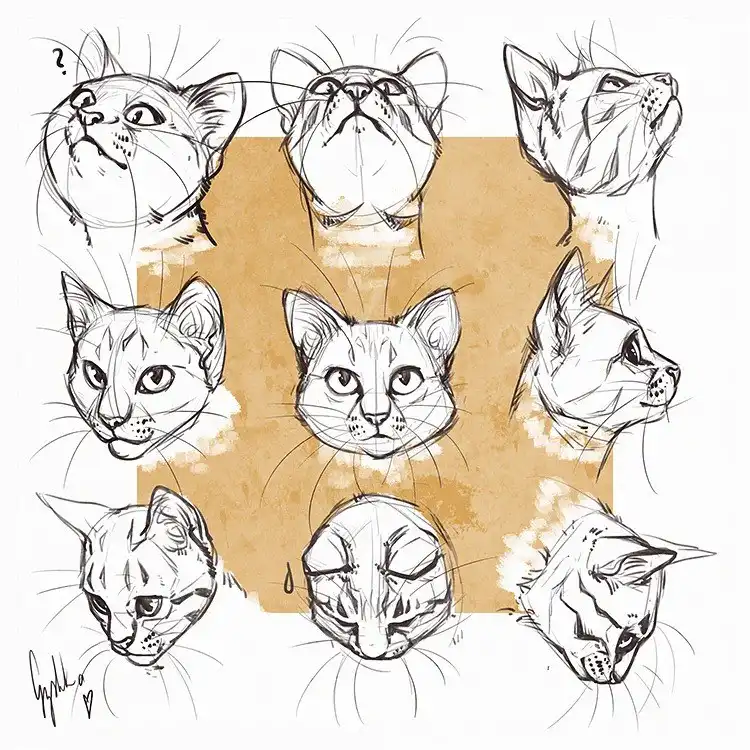
Discover how to capture various cat expressions, poses, and anatomical details, enhancing your overall animal drawing capabilities. If you’re looking to broaden your artistic repertoire beyond felines, consider exploring our Human Anatomy Drawing Tutorial for comprehensive skill development.
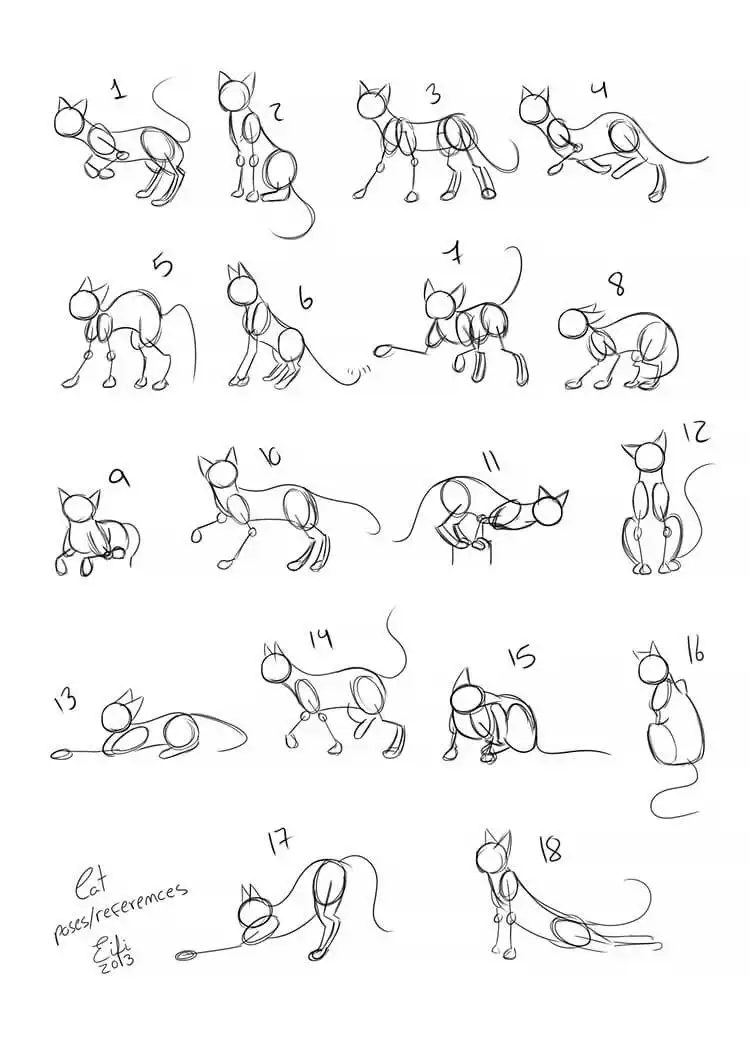
1. Cat Poses
Mastering basic cat poses is fundamental for any aspiring animal artist. This section offers a variety of simple sketches showcasing cats in common positions like lounging, stretching, and sitting. Practice these to understand feline body language and proportion.
Focus on capturing the fluidity of their movement and the way their weight shifts, using simple lines to define the overall form before adding detail. This foundational practice builds confidence for more complex scenes, and having a variety of drawing paper, such as duo-colored options, to hand can really help.
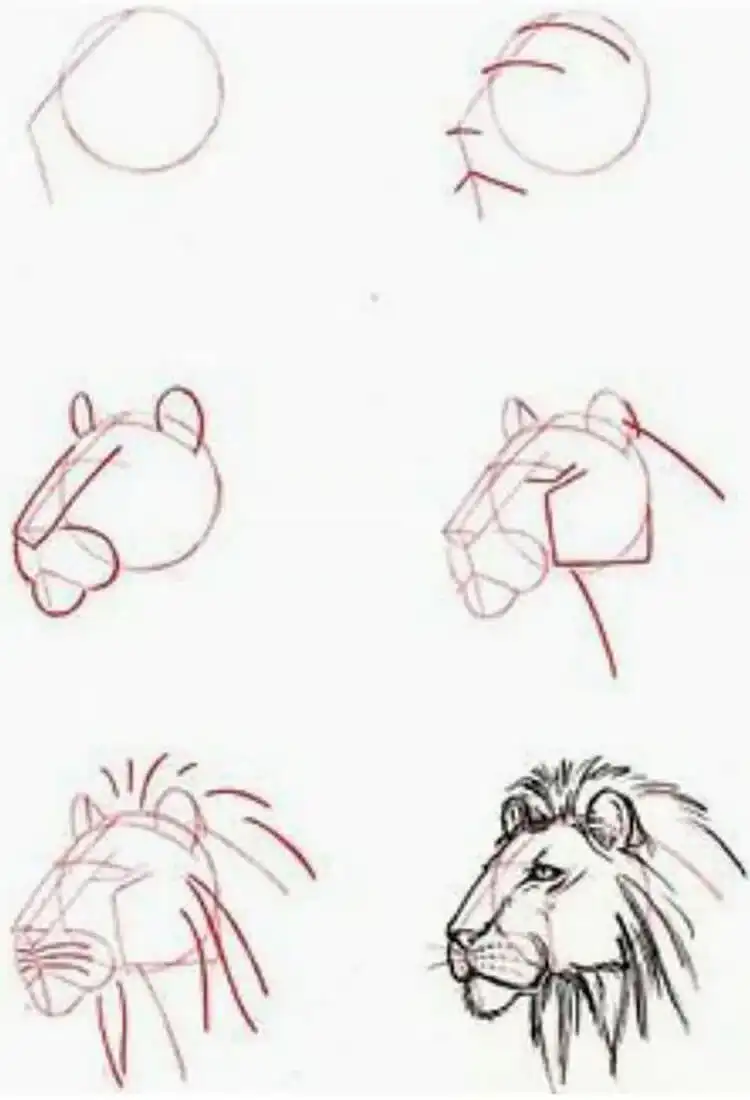
2. How to Draw a Lion
Delve into the majestic world of big cats with this focused tutorial on drawing a lion. As the largest member of the feline family, lions present unique challenges and opportunities for artists. Learn to capture their powerful physique, flowing mane, and distinctive facial features.
This guide simplifies the process, breaking down complex forms into manageable steps, ideal for improving your wild cat drawing skills. Remember to observe references closely for accurate muscle structure and fur direction.
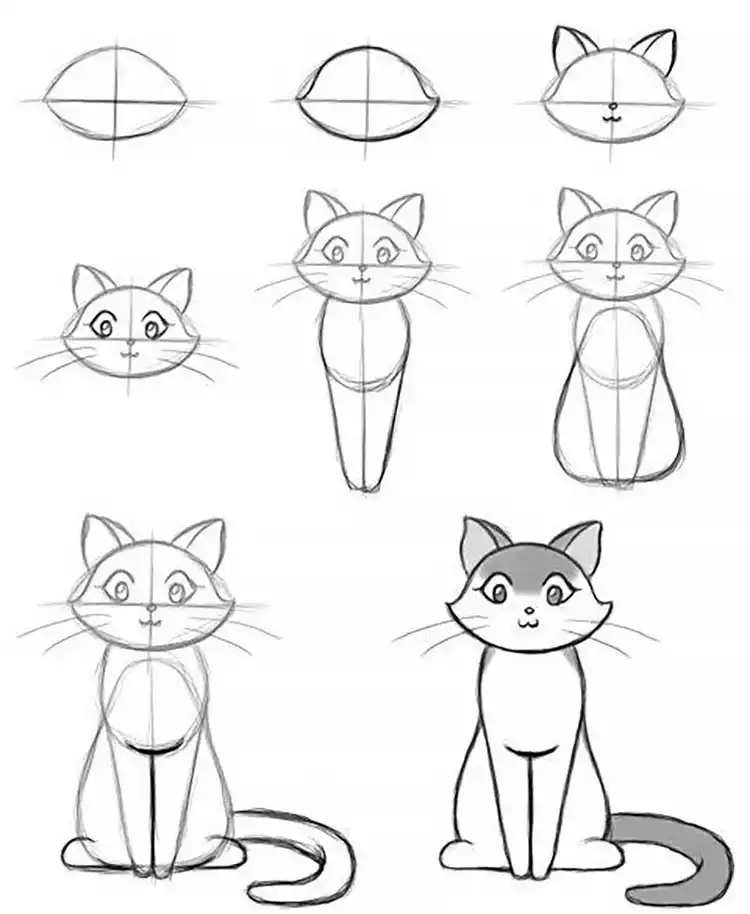
3. How to Easily Draw a Cat
For those seeking a straightforward approach, this easy-to-follow tutorial demystifies the process of drawing a domestic cat. It emphasizes basic shapes and guidelines, making it accessible for beginners. You’ll learn how to construct a cat’s head and body with minimal fuss.
This method builds confidence by focusing on essential elements, gradually adding details like eyes, nose, and whiskers. It’s an excellent starting point before tackling more intricate feline compositions.
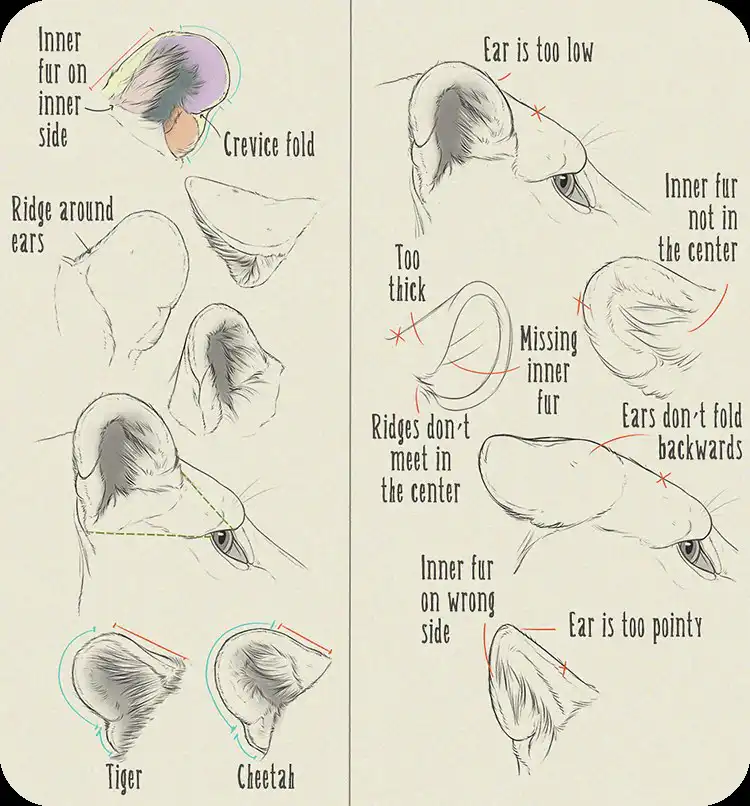
4. How to Draw Big Cat Ears
Ears are crucial for conveying emotion and species identification in cat drawings. This detailed guide focuses specifically on drawing big cat ears, highlighting important anatomical aspects. Learn how to correctly position ears, identify their proper size relative to the head, and depict the inner ear fur.
Understanding these nuances will make your big cat illustrations more realistic and expressive. Pay attention to the subtle curves and angles that define different feline ear shapes.
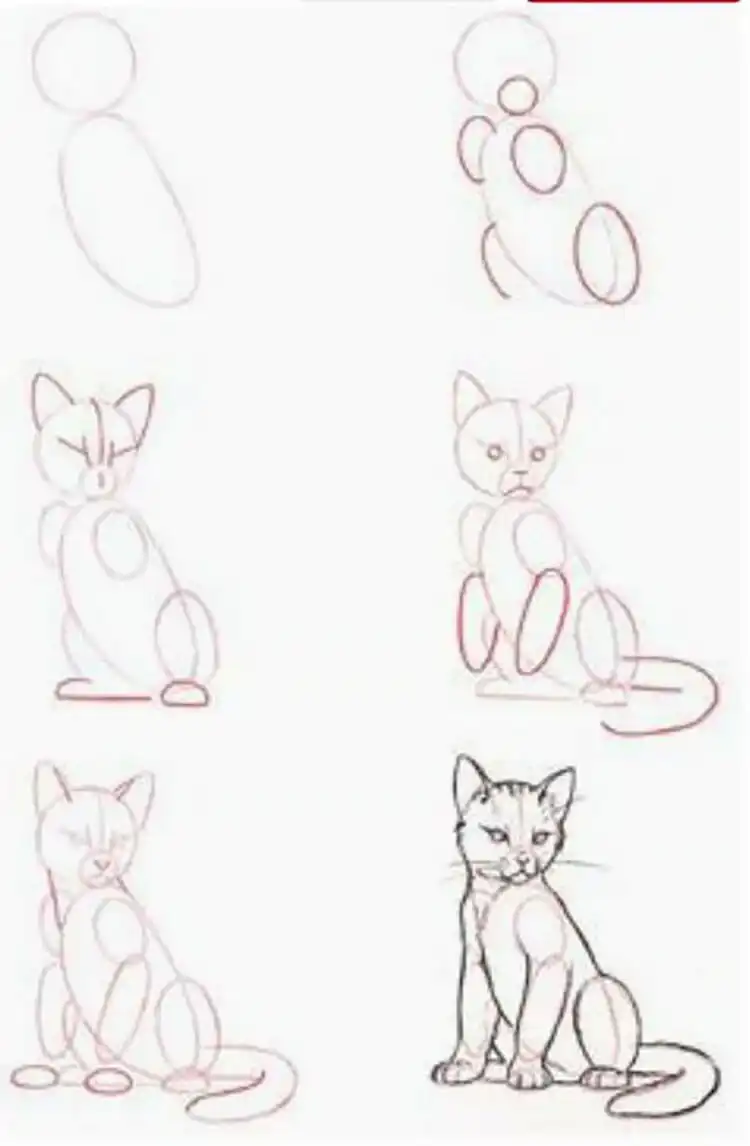
5. How to Draw A Realistic Cat
Achieve lifelike feline portraits with this step-by-step approach to drawing a realistic cat. This method simplifies the process into about six key stages, making realism attainable even for newer artists. Focus on building form with accurate proportions and subtle shading.
The goal is to create depth and texture, especially in the fur, using various pencil strokes. This reference emphasizes observation and gradual detail building for a convincing final piece.
6. Cat Head from Different Angles
Drawing an animal’s head from multiple perspectives is a vital exercise for developing spatial awareness and realism. This section provides references for drawing cat heads from various angles, including front, profile, and three-quarter views. It helps you understand how features change with head rotation.
Practicing these different viewpoints is crucial for creating dynamic and believable animal characters in your artwork. It’s an essential step toward drawing truly realistic animals in any scene.
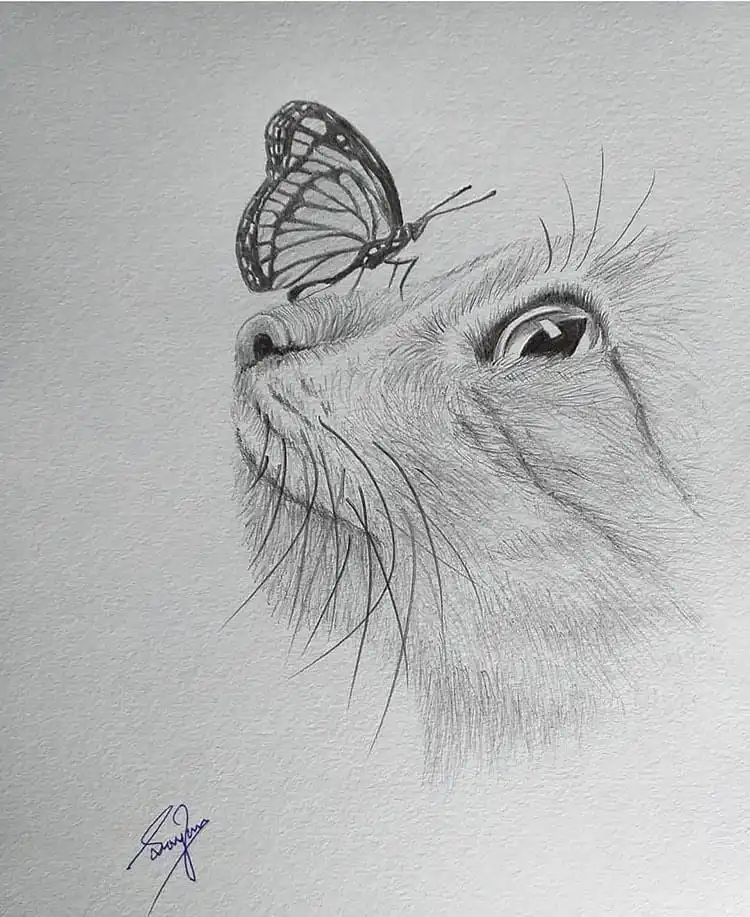
7. Cat with Butterfly on Nose
Infuse charm and narrative into your artwork with this delightful drawing idea: a cat with a monarch butterfly perched delicately on its nose. This concept allows for exploration of texture, contrasting the soft fur of the cat with the intricate patterns of the butterfly wings.
The artist’s skill in capturing the cat’s fur texture is exemplary, offering inspiration for your own detailed renderings. Consider adding vibrant colors, perhaps drawing inspiration from Simple Watercolor Flower Painting Ideas for the background.
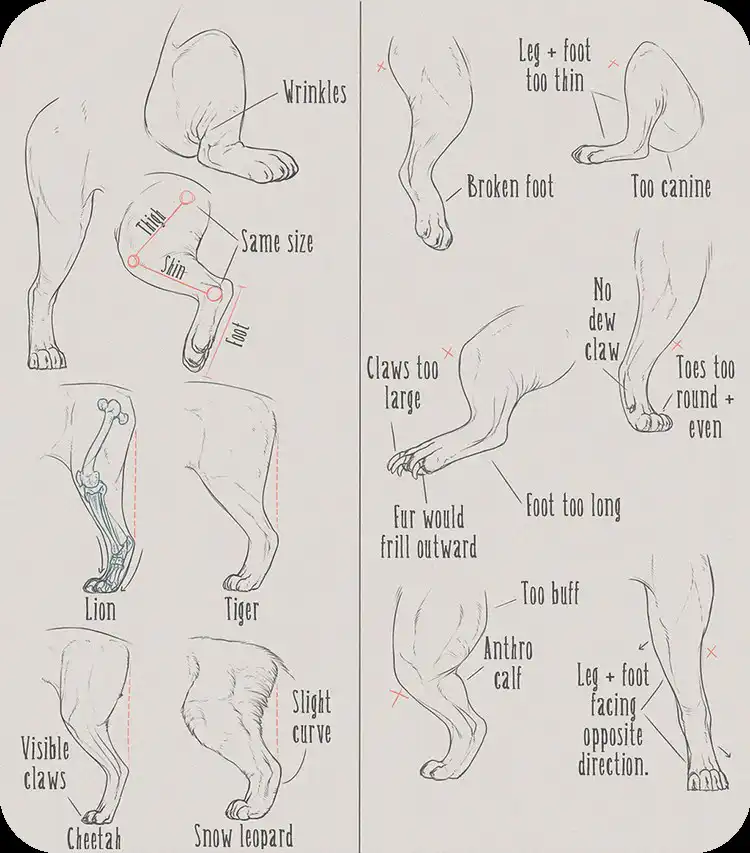
8. How to Draw a Big Cats Legs and Feet
Legs and feet are complex anatomical structures that define an animal’s movement and power. This comprehensive guide breaks down how to draw the legs and feet of various big cats, including lions, tigers, cheetahs, and snow leopards. Observe the distinct muscle structure and paw pads.
Each species exhibits unique characteristics in their limbs, which this reference helps you accurately portray. Mastering these details adds authenticity and dynamism to your wild feline illustrations.
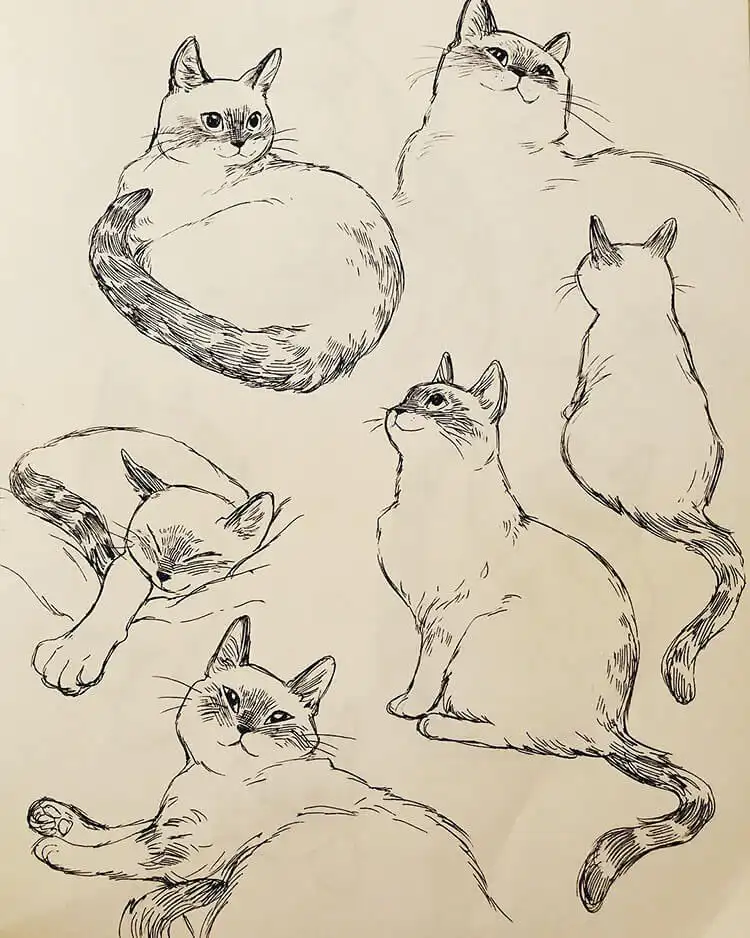
9. Cute Cat Sketches
Indulge in the endearing charm of these cute cat sketches, perfect for quick practice sessions or developing your own adorable feline characters. These examples showcase cats lounging, looking up with curiosity, and more. They are fantastic for capturing playful and affectionate moods.
These sketches encourage a looser, more expressive style, focusing on personality over hyper-realism. It’s a wonderful way to experiment with different expressions and simplify forms while retaining cuteness.
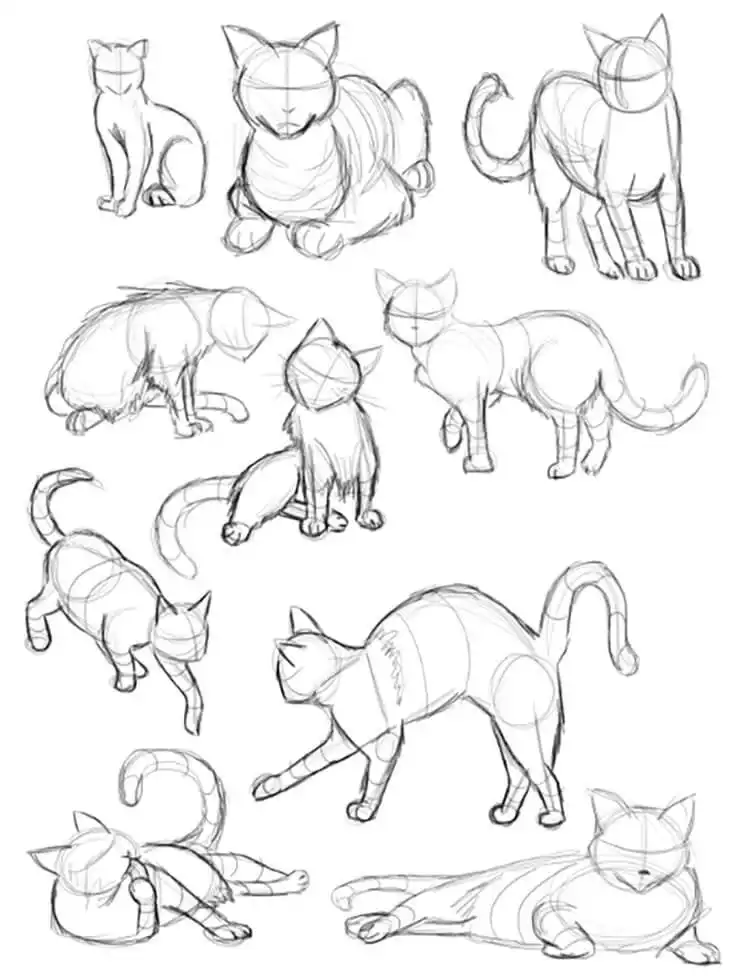
10. Cat Gestures
Capturing the essence of a cat’s movement through gesture drawing is an invaluable skill. This section provides sketches specifically designed for practicing cat gestures, emphasizing fluidity and energy. Even in their simplicity, these sketches convey a strong sense of motion and form.
Focus on the overall action and flow of the body rather than intricate details, using quick, confident lines. This practice helps improve your ability to draw dynamic poses from imagination.
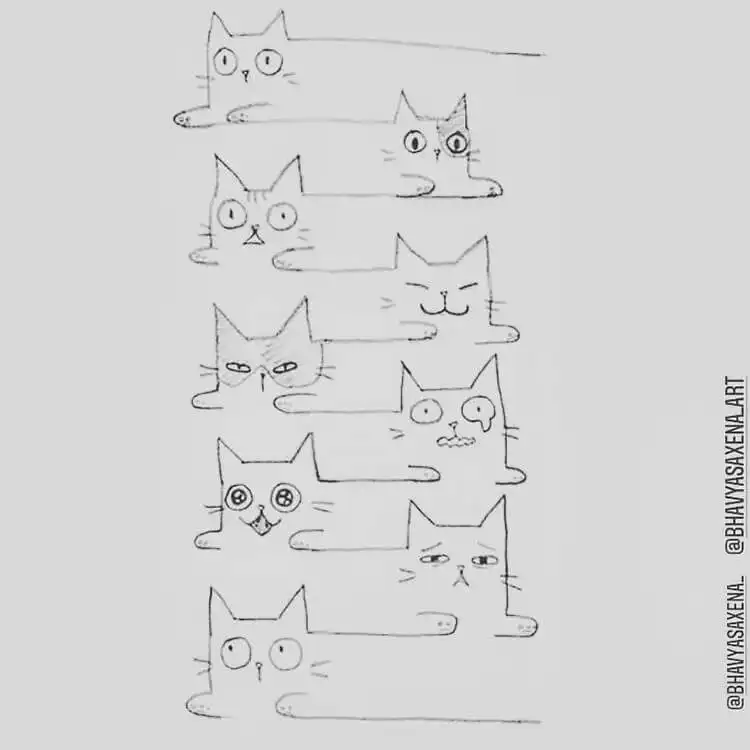
11. Fun Cat Doodles
For those moments when you want to draw something quick and cheerful, these fun cat doodles are perfect. They feature a variety of playful expressions and simplified forms that are incredibly enjoyable to create. These doodles are excellent for warming up or just having some artistic fun. For more ideas on creative projects, consider a stimulating activity book that inspires diverse crafts.
Once you’ve sketched your doodles, consider adding color with colored pencils or watercolor paints to bring them to life. They’re a great way to explore different personalities and artistic styles.
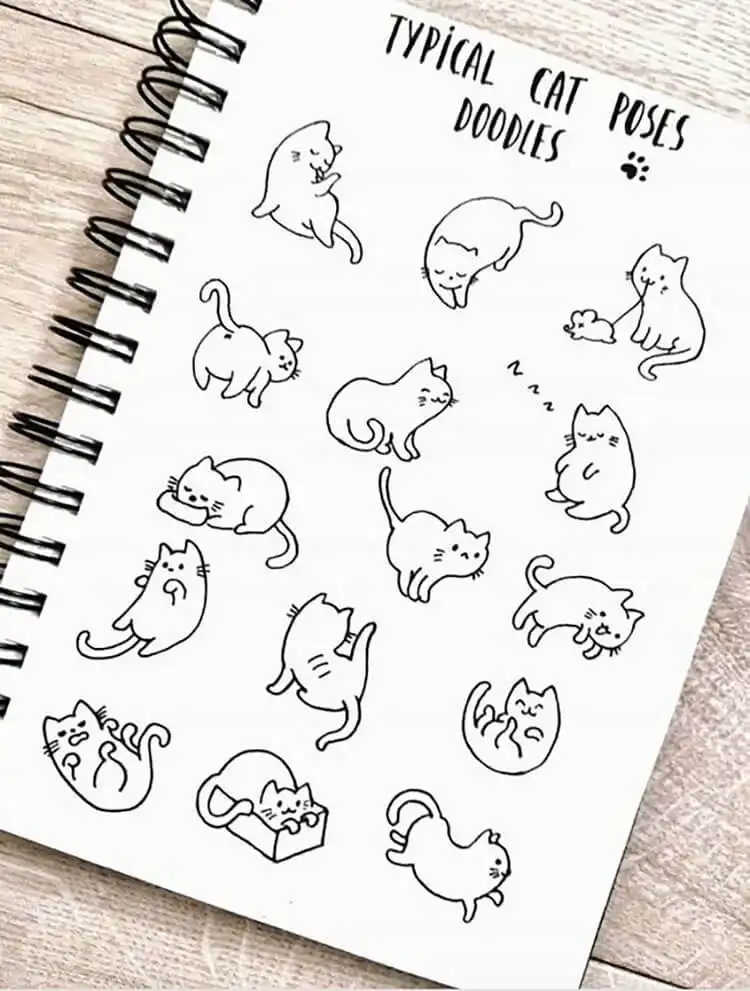
12. Typical Cat Poses Doodles
Expand your repertoire of playful feline art with these additional cat doodles showcasing typical cat poses. These adorable kitties are captured in everyday actions like sleeping soundly, meticulously licking their paws, or mid-jump. Each doodle offers a unique character and simplified form.
They serve as excellent references for quick studies or to inspire your own whimsical cat illustrations. Observing these everyday actions helps you understand and simplify complex movements into charming drawings.
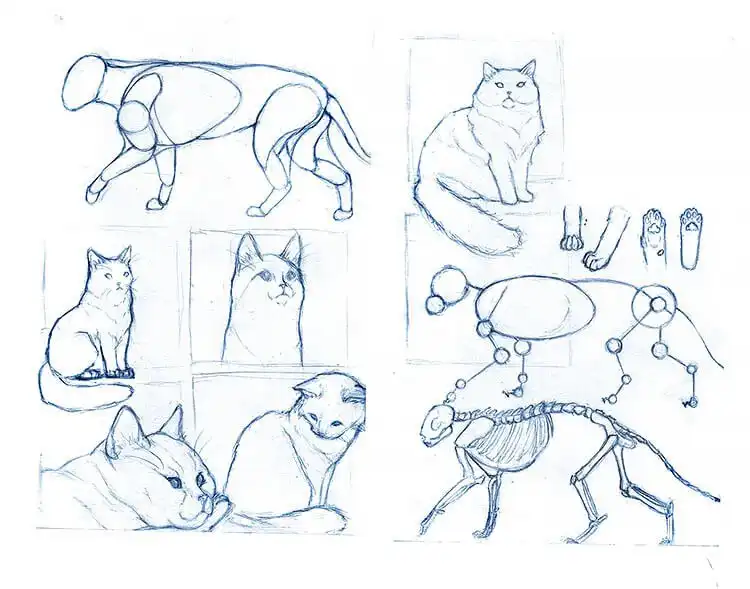
13. Cat Studies
For artists aiming for true realism, understanding anatomy is paramount. These cat studies provide valuable insight into the underlying structure of felines. They offer a glimpse into the skeletal and muscular systems that dictate a cat’s form and movement.
Learning anatomy, even in simplified form, dramatically enhances your ability to draw realistic and believable cats in any pose. This foundational knowledge is as crucial for animals as it is for human figures.
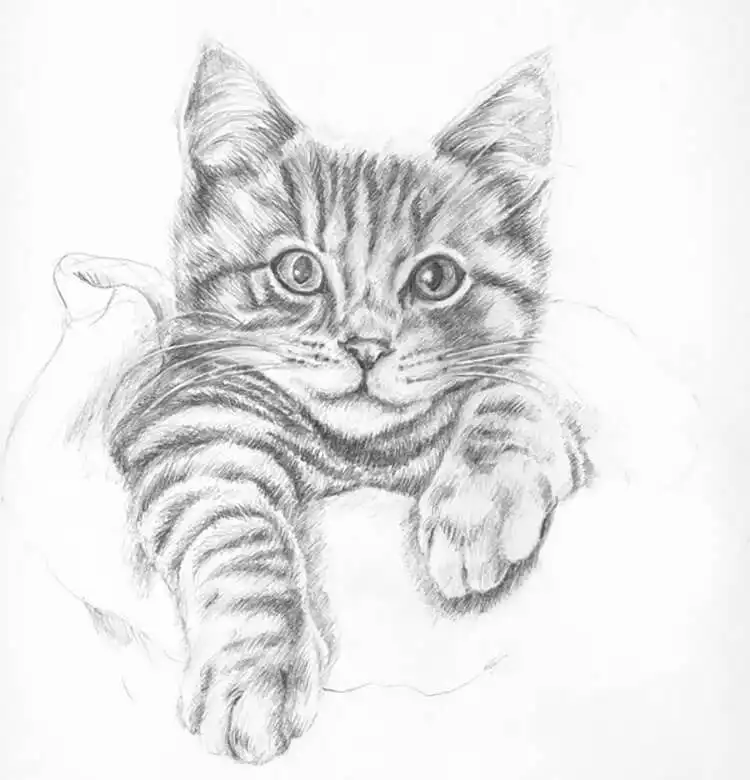
14. Cat Portrait
Creating a compelling cat portrait requires attention to detail, expression, and texture. This example, rendered in graphite pencil, showcases the beauty of a detailed feline face. Focus on the eyes as the focal point, capturing their intensity and personality.
Using graphite allows for a full range of tones, from subtle highlights to deep shadows, creating depth and realism. If you enjoy this style, further explore similar techniques with Beginners Oil Pastel Art and Drawings for varied textural effects.
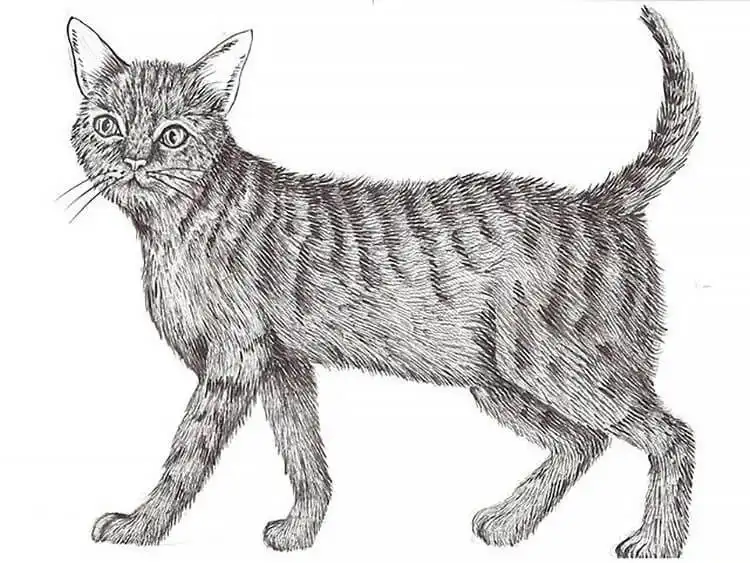
15. Full Body Drawing
A full-body drawing allows you to capture the entire essence and natural movement of a cat. This example features excellent texture work and effectively conveys the fluidity and grace of a feline. Pay attention to how the fur flows and defines the body’s contours.
Capturing the natural movement requires observing real cats or high-quality references, much like how one might study other animals for drawing, such as in Monkey Pencil Drawing References. This comprehensive view helps solidify your understanding of feline anatomy and form.
We hope these 17 cat drawing ideas and sketches inspire your next artistic endeavor. Practice regularly, experiment with different styles, and watch your feline art flourish. For additional feline-inspired creativity, you might explore this book featuring cat designs, which can spark ideas for your next drawing. Don’t forget to save your favorite ideas to Pinterest, share this guide with fellow art enthusiasts, and let us know which cat drawing idea you’ll try first in the comments below!